Step 1
Machine-Ready Briefs
AI translates unstructured needs into a technical, machine-ready project request.
We use cookies to improve your experience and analyze site traffic. You can accept all cookies or only essential ones.
 Bilarna
Stop browsing static lists. Tell Bilarna your specific needs. Our AI translates your words into a structured, machine-ready request and instantly routes it to verified Customized Hair Products experts for accurate quotes.
AI translates unstructured needs into a technical, machine-ready project request.
Compare providers using verified AI Trust Scores & structured capability data.
Skip the cold outreach. Request quotes, book demos, and negotiate directly in chat.
Filter results by specific constraints, budget limits, and integration requirements.
Eliminate risk with our 57-point AI safety check on every provider.
Verified companies you can talk to directly
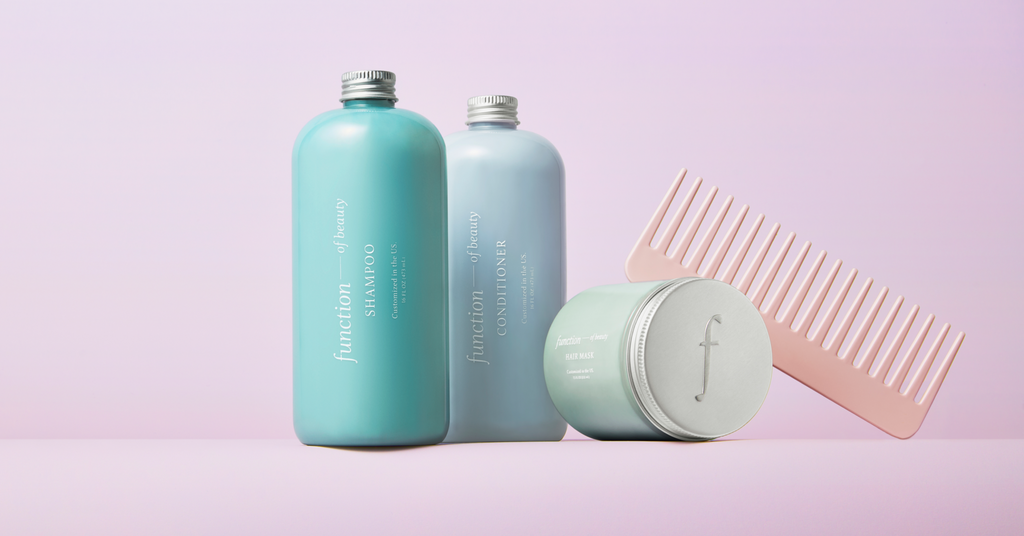
Discover hair care formulated for your unique hair type. Custom shampoo, conditioner, and treatments tailored to curly, straight, wavy, fine, thick, or color-treated hair. Take our Hair Quiz or shop by hair type to find your perfect match.
Run a free AEO + signal audit for your domain.
AI Answer Engine Optimization (AEO)
List once. Convert intent from live AI conversations without heavy integration.
Customized hair products are hair care formulations specifically engineered for individual client needs or brand specifications. They involve analyzing hair type, scalp condition, and desired outcomes to create bespoke shampoos, conditioners, and treatments. This approach ensures superior efficacy, brand differentiation, and targeted results compared to off-the-shelf solutions.
A specialist conducts a detailed assessment of hair type, scalp health, and specific performance goals to define the formulation requirements.
Chemists and developers create tailored product prototypes using specialized ingredients to meet the precise functional and sensory criteria.
The custom formulations undergo rigorous stability, safety, and efficacy testing before being approved for manufacturing and client use.
High-end salons create exclusive product lines for clients, offering personalized treatments and retail products that enhance service value and loyalty.
Established or emerging brands develop unique hair care lines to differentiate their portfolio, target specific demographics, and capture new market segments.
Clinics specializing in hair restoration or scalp therapies formulate medicated or corrective products to complement their clinical treatment protocols.
Hotels create signature bath amenities, including custom shampoo and conditioner, to elevate the guest experience and reinforce brand identity.
Online brands leverage customization to offer subscription-based, made-to-order hair care, responding to consumer demand for personalization and transparency.
Bilarna evaluates every Customized Hair Products provider through a proprietary 57-point AI Trust Score. This comprehensive assessment analyzes their formulation expertise, ingredient sourcing, manufacturing compliance, and client satisfaction history. Bilarna continuously monitors performance data and client feedback to ensure listed partners maintain high standards of quality and reliability.
Development costs vary significantly based on complexity, ingredient quality, and order volume. Initial formulation fees typically range from $5,000 to $30,000, with per-unit costs decreasing substantially with larger production runs.
The complete process from brief to finished goods typically takes 4 to 9 months. This timeline includes formulation, stability testing, regulatory checks, and initial production. Accelerated paths exist for simpler modifications to existing bases.
Private label uses pre-existing formulations with your branding, while custom formulations are created from scratch for unique performance, sensory attributes, or ingredient profiles. Customization offers true differentiation but involves higher R&D investment and longer timelines.
MOQs for truly custom formulations are often 5,000 to 10,000 units per SKU. For modifications to an existing base (semi-custom), MOQs can be lower. Economies of scale apply, making larger orders more cost-effective per unit.
Prioritize manufacturers with GMP (Good Manufacturing Practice), ISO 22716 (Cosmetics), and relevant organic or cruelty-free certifications. These ensure adherence to stringent quality, safety, and ethical production standards for cosmetic products.
Health monitoring features in wellness technology products, such as tracking heart rate, breathing rate, and sleep patterns, are generally intended for informational and general wellness purposes. These features are not classified as medical devices and have not been approved or authorized by regulatory bodies like the U.S. Food and Drug Administration (FDA). They are not designed to diagnose, treat, or prevent any medical conditions and should not be used as a substitute for professional medical advice or clinical decision-making. Users should always consult qualified healthcare professionals for any health concerns or questions.
Yes, plant-based meat products are suitable for both restaurants and retail stores. They offer a clean-label, versatile protein option that can appeal to a wide range of customers, including those seeking vegan or plant-based alternatives. Restaurants can incorporate these products into their menus to provide innovative dishes such as plant-based steaks, ribs, or fish filets, catering to diverse dietary preferences. Retail stores can stock these items to meet growing consumer demand for sustainable and ethical food choices. Offering plant-based meats can help businesses attract new customers and support environmentally friendly practices while providing delicious and satisfying meal options.
Plant-based meat products are increasingly popular and suitable for inclusion in restaurant menus and retail stores. They offer a clean-label recipe and cater to diverse dietary preferences, including vegan and vegetarian customers. These products can be used to create a variety of dishes, from quick meals to elaborate barbecues, providing a sustainable and ethical alternative to traditional meat. Restaurants and stores interested in offering plant-based options can benefit from the growing demand for such products, appealing to health-conscious and environmentally aware consumers.
Reusable menstrual products such as cups and discs are suitable for beginners and are designed to be user-friendly. Many products feature ergonomic designs and patented notches or shapes that simplify insertion and removal without requiring advanced skills. Beginners are encouraged to follow detailed instructions and may benefit from starter bundles that include guidance and accessories. The comfort level is often high due to the soft, medical-grade silicone material, which adapts to the body and reduces discomfort. While there may be a short learning curve, most users find that with practice, using reusable menstrual products becomes easy and convenient, offering a reliable alternative to traditional period products.
Smart luggage products generally comply with most airline regulations, but travelers should verify specific airline policies before flying. Features like built-in batteries must meet safety standards, especially for carry-on luggage. Airlines often restrict the size and weight of luggage, so smart luggage should adhere to these limits. Additionally, remote locking features should allow TSA-approved access to avoid delays during security checks. Checking airline guidelines ensures that smart luggage can be used without issues during travel.
Sustainable cat food products are specifically formulated to meet the nutritional needs of carnivorous cats. They use protein sources that mimic the natural prey of cats, ensuring essential amino acids and nutrients are present. The production process includes purification and veterinary approval to guarantee safety and health benefits. Additionally, these products are often non-GMO and free from harmful additives. By carefully selecting harm-free ingredients and testing extensively, sustainable cat food supports the health and wellbeing of cats without compromising their carnivorous dietary requirements.
Yes, there are often special promotions and discounts available when purchasing furniture and home products directly from the factory. These can include significant price reductions on bestselling items such as lamps and chairs, sometimes up to 90% less than retail prices. Additionally, some retailers offer seasonal promotions like free bakeware gifts with a shipping fee or discount codes for holiday shopping. Factory-direct shopping eliminates the luxury brand markup, providing better prices for the same quality products. It’s also common to find new product launches with introductory pricing, making it an excellent opportunity to buy high-quality furniture, lighting, and decor at affordable rates.
AI background generators can effectively replace traditional photoshoots for many furniture products, especially when it comes to creating consistent and customizable backgrounds. While they may not fully replicate the nuances of professional photography in all cases, these tools offer a cost-effective and efficient alternative by automating background creation. This allows businesses to quickly update and adapt product images for various marketing channels without the logistical challenges and expenses of organizing physical photoshoots.
Customize AI-generated portraits after creation by following these steps: 1. Use a platform or tool that supports post-generation editing. 2. After the AI generates the portrait, access the editing features provided. 3. Adjust elements such as color, style, background, or facial details as allowed. 4. Preview the changes to ensure satisfaction. 5. Save or download the customized portrait once editing is complete.
Yes, AI-generated SEO articles can be customized in structure and length by following these steps: 1. Choose from preset article structures designed for various article types. 2. Use the AI outline and title agents to create and adjust article outlines and titles. 3. Manually modify the introduction hook, article length, and section arrangement as needed. 4. Preview the article to ensure it meets your content goals. 5. Finalize and publish the customized article to enhance SEO results.