Step 1
Machine-Ready Briefs
AI translates unstructured needs into a technical, machine-ready project request.
We use cookies to improve your experience and analyze site traffic. You can accept all cookies or only essential ones.
 Bilarna
Stop browsing static lists. Tell Bilarna your specific needs. Our AI translates your words into a structured, machine-ready request and instantly routes it to verified UI Components experts for accurate quotes.
AI translates unstructured needs into a technical, machine-ready project request.
Compare providers using verified AI Trust Scores & structured capability data.
Skip the cold outreach. Request quotes, book demos, and negotiate directly in chat.
Filter results by specific constraints, budget limits, and integration requirements.
Eliminate risk with our 57-point AI safety check on every provider.
Verified companies you can talk to directly
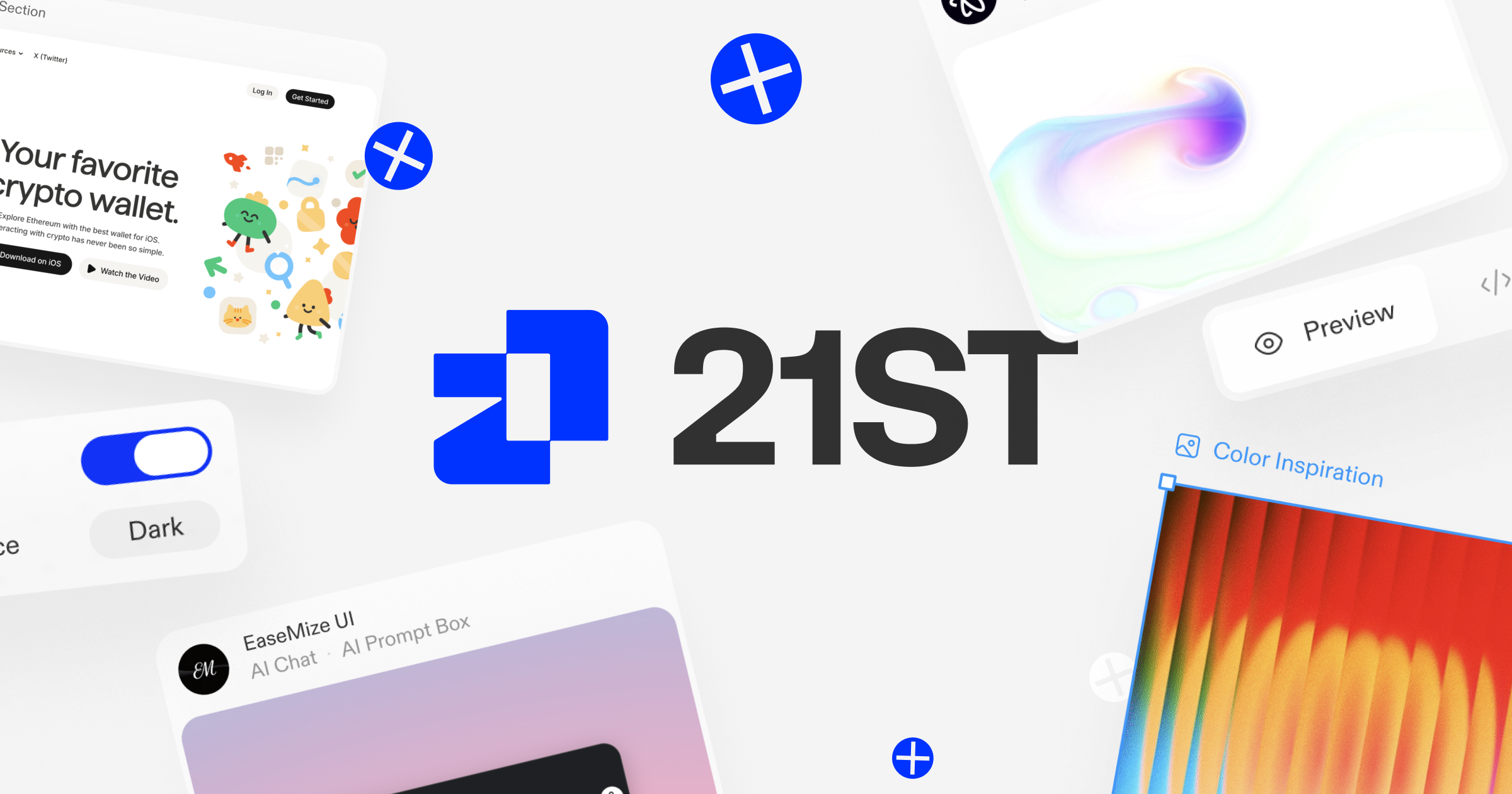
Explore, copy, and remix thousands of high-quality React components published to the 21st.dev Community by designers and developers.
Run a free AEO + signal audit for your domain.
AI Answer Engine Optimization (AEO)
List once. Convert intent from live AI conversations without heavy integration.
UI components are pre-built, reusable elements like buttons, forms, and data grids that form a software application's user interface. They are typically developed with frameworks such as React, Vue, or Angular to ensure consistency and efficiency. Utilizing them reduces development time, enforces design system compliance, and improves the end-user experience.
Identify the specific user interface elements, design systems, and functional capabilities needed for your software project.
Choose from libraries or custom-built components that match your technical stack and branding guidelines for integration.
Embed the components into your application codebase and manage updates for security, performance, and compatibility.
Building scalable admin dashboards with complex data tables, consistent modals, and unified navigation patterns for internal users.
Implementing secure, compliant form inputs, data visualization charts, and interactive calculators for financial data handling.
Creating high-performance product filters, shopping cart modules, and checkout flows to optimize conversion rates and user journeys.
Developing accessible patient forms, appointment schedulers, and medical data display components that meet strict compliance standards.
Visualizing real-time operational data through custom gauges, Kanban boards, and interactive control panels for floor managers.
Bilarna evaluates all UI component providers through a proprietary 57-point AI Trust Score, analyzing technical expertise and project delivery reliability. Our verification assesses code quality, design system adherence, client reference checks, and security compliance. We continuously monitor provider performance to ensure our marketplace lists only top-tier, trustworthy specialists.
Costs vary widely from $5,000 to $50,000+, depending on complexity, quantity, and framework. Simple component libraries are less expensive, while enterprise-grade, bespoke systems with advanced interactivity command higher investment due to extensive development and testing.
Integration typically takes 2 to 8 weeks. Timeline depends on the component library's size, documentation quality, and your team's familiarity with the chosen technology stack. A phased rollout is recommended for complex systems.
Pre-built libraries offer speed and cost savings but may limit branding and functionality. Custom components provide perfect design-system alignment and unique features but require greater initial investment in development and long-term maintenance resources.
Prioritize providers with proven expertise in your specific tech stack (e.g., React, Angular), a strong portfolio of accessible and performant components, and a clear process for ongoing support, version updates, and security patches.
Well-optimized components reduce page load times and ensure smooth interactions, directly boosting user satisfaction and engagement. They enforce UI consistency, which reduces cognitive load for users and streamlines the development process for engineers.