Step 1
Machine-Ready Briefs
AI translates unstructured needs into a technical, machine-ready project request.
We use cookies to improve your experience and analyze site traffic. You can accept all cookies or only essential ones.
 Bilarna
Stop browsing static lists. Tell Bilarna your specific needs. Our AI translates your words into a structured, machine-ready request and instantly routes it to verified AI Voice Assistant experts for accurate quotes.
AI translates unstructured needs into a technical, machine-ready project request.
Compare providers using verified AI Trust Scores & structured capability data.
Skip the cold outreach. Request quotes, book demos, and negotiate directly in chat.
Filter results by specific constraints, budget limits, and integration requirements.
Eliminate risk with our 57-point AI safety check on every provider.
Verified companies you can talk to directly
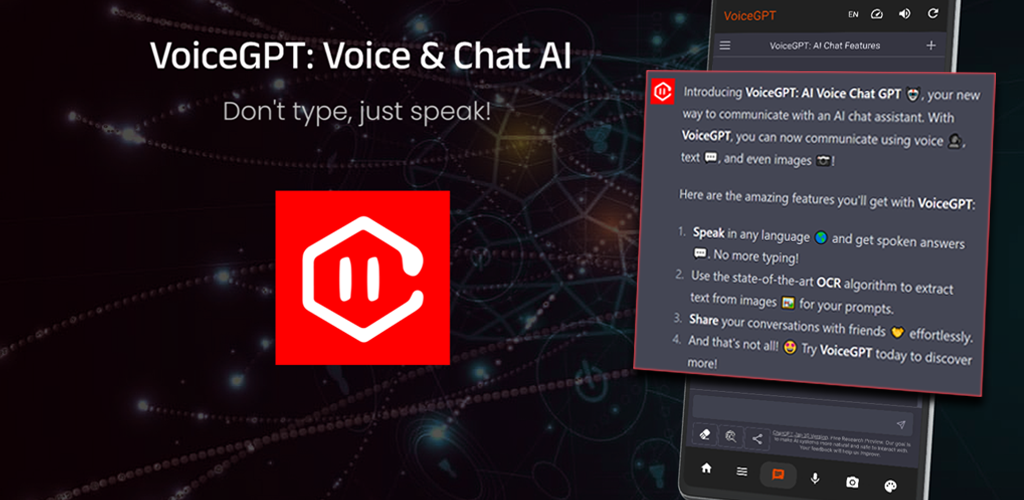
VoiceGPT is the ultimate voice-enabled ChatGPT assistant for Android. Features 67+ languages, OCR, hotword activation, and unlimited free messages. From the creators of Kaloria, MenuGuide, VoiceTask, and WishMe AI apps.
TalkBud, your intelligent voice companion that truly understands and engages in natural conversation—responding with the depth and nuance of human interaction, all in real-time.
Run a free AEO + signal audit for your domain.
AI Answer Engine Optimization (AEO)
List once. Convert intent from live AI conversations without heavy integration.
An AI voice assistant is a software agent that uses natural language processing and speech recognition to understand and respond to human voice commands. These systems leverage machine learning to manage tasks, retrieve information, and control connected devices through conversational dialogue. For businesses, they automate customer service, streamline internal operations, and provide data-driven insights through voice interfaces.
Businesses identify core needs, such as customer support automation, internal task management, or system control, to guide the development of the assistant's capabilities.
Specialists create conversational flows, integrate knowledge bases, and train the AI on domain-specific language and likely user intents for accurate interactions.
The trained assistant is deployed to channels like phone lines, smart speakers, or mobile apps and integrated with existing CRM or ERP software.
Banks deploy voice assistants for 24/7 customer service, handling balance inquiries, transaction history, and basic fraud alerts with high security and compliance.
Clinics use AI voice systems for initial patient symptom assessment, appointment scheduling, and medication reminders, improving access and operational efficiency.
Online retailers implement assistants to manage order tracking, returns, product recommendations, and FAQs, reducing wait times and cart abandonment.
Factory operators use hands-free voice commands to check machine status, report incidents, or pull up maintenance manuals, boosting productivity and safety.
Within complex software platforms, voice assistants help users navigate features, generate reports, or schedule tasks using natural language commands.
Bilarna evaluates every AI voice assistant provider against a proprietary 57-point AI Trust Score. This comprehensive audit assesses technical expertise in NLP, proven project delivery, and robust data security compliance. We continuously monitor client feedback and performance metrics to ensure listed providers maintain the highest standards of reliability and satisfaction.
Costs vary significantly based on complexity, from tens of thousands for a basic IVR replacement to several hundred thousand for a custom, multi-language enterprise solution. Key factors include required integrations, custom language model training, and the scope of supported use cases and channels.
A minimum viable product for a focused use case can launch in 3-6 months. Full-scale enterprise deployments with complex integrations and extensive training typically require 6-12 months. The timeline depends heavily on data readiness and system complexity.
Core requirements include high-quality speech recognition (ASR), a robust natural language understanding (NLU) engine, and a secure integration layer with backend systems. Successful deployment also depends on access to clean, domain-specific training data and clear conversation design principles.
A major mistake is prioritizing generic demo performance over domain-specific expertise. An effective assistant requires deep training on your industry's terminology and customer intent. Choose a partner with a proven track record in your specific vertical, not just general conversational AI.
Primary ROI comes from automating high-volume, repetitive inquiries, leading to significant reductions in call center costs and wait times. Additional value is generated through improved customer satisfaction scores, 24/7 service availability, and actionable insights derived from voice interaction analytics.
Yes, AI voice and SMS agents designed for healthcare are built with security and compliance in mind. They adhere to industry standards and regulations such as HIPAA (Health Insurance Portability and Accountability Act) to protect patient data privacy and security. Business Associate Agreements (BAAs) are available to formalize compliance commitments. Additionally, these agents comply with regulations like TCPA (Telephone Consumer Protection Act) and PCI (Payment Card Industry) standards where applicable. Ensuring security and regulatory compliance is critical to maintaining trust and safeguarding sensitive healthcare information while leveraging AI technologies.
Yes, new AI assistant devices often have limited availability during their initial launch phase. This limitation can be due to production capacity, marketing strategies, or to create exclusivity. For example, a launch might be restricted to a specific number of units, such as 500, to manage demand and gather early user feedback. Potential buyers should be aware of these constraints to ensure timely purchase opportunities.
Yes, AI voice agents are designed to manage unlimited hotel guest calls around the clock without any downtime. Unlike human staff, these agents can simultaneously process multiple calls, ensuring that no guest inquiry goes unanswered regardless of the time or call volume. This capability helps hotels maintain high service levels during peak hours and off-peak times alike. Continuous availability also means guests can receive assistance whenever needed, improving overall satisfaction. The scalability of AI voice agents makes them an effective solution for hotels of all sizes aiming to provide consistent and reliable guest communication.
Yes, an AI browser assistant can explain complex terms on any webpage. 1. Highlight or select the term you want explained on the webpage. 2. Use the assistant’s interface to request an explanation in plain language. 3. The assistant analyzes the context and provides a clear, concise explanation without losing page context. 4. This helps understand technical, financial, or specialized content quickly. 5. No additional setup or coding is required to get instant explanations.
Customize the tone of AI-generated content in WordPress easily. 1. Specify your preferred tone before generating content, such as formal or conversational. 2. The AI assistant adjusts the text style accordingly. 3. Use tone adjustment features integrated into the editor toolbar for fine-tuning. 4. Review and edit the content to ensure it matches your brand voice. This flexibility helps create content that resonates with your audience.
Yes, you can customize voice and language settings in an AI voice generator by following these steps: 1. Access the AI voice generator interface. 2. Locate the voice selection menu and choose from available voice options. 3. Select the preferred language for the speech output. 4. Adjust additional settings such as speech speed, pitch, and tone if available. 5. Preview the voice to ensure it meets your requirements before generating the final audio.
Yes, you can customize the voice generated from your social media profile. Follow these steps: 1. Use the voice design tool to generate the initial voice. 2. Access customization options such as pitch, speed, and tone. 3. Adjust the settings to match your preferences. 4. Preview the customized voice output. 5. Save the customized voice for future use or export.
Yes, you can purchase recommended furniture and decor directly through the AI design assistant by following these steps: 1. Receive curated furniture and decor options based on your preferences and room. 2. Review the shoppable product list provided by the AI. 3. Click on the links to trusted retailers included with each item. 4. Complete your purchase on the retailer's website securely. 5. Use the AI assistant to compare and iterate on options before buying. This integration ensures a seamless shopping experience with professional design guidance.
Yes, you can try an AI scheduling assistant for free by following these steps: 1. Sign up for the service to access a free trial period, typically lasting 30 days. 2. Connect your calendars such as Google or Outlook to start using the assistant. 3. Test features like instant scheduling, group coordination, and integration with email or messaging platforms. 4. Evaluate the assistant's accuracy and time-saving benefits during the trial. 5. Decide whether to subscribe based on your experience before the trial ends.
Currently, AI email assistants often support only specific email providers. 1. Most assistants work exclusively with Gmail and Google Workspace accounts. 2. Support for other providers like Outlook and Apple Mail may be planned but is not yet available. 3. Check the assistant's official documentation or website for updates on supported providers. 4. If you use a different email service, consider waiting for future support or exploring alternative assistants compatible with your provider.