Step 1
Machine-Ready Briefs
AI translates unstructured needs into a technical, machine-ready project request.
We use cookies to improve your experience and analyze site traffic. You can accept all cookies or only essential ones.
 Bilarna
Stop browsing static lists. Tell Bilarna your specific needs. Our AI translates your words into a structured, machine-ready request and instantly routes it to verified Unstructured Data Processing Solutions experts for accurate quotes.
AI translates unstructured needs into a technical, machine-ready project request.
Compare providers using verified AI Trust Scores & structured capability data.
Skip the cold outreach. Request quotes, book demos, and negotiate directly in chat.
Filter results by specific constraints, budget limits, and integration requirements.
Eliminate risk with our 57-point AI safety check on every provider.
Verified companies you can talk to directly
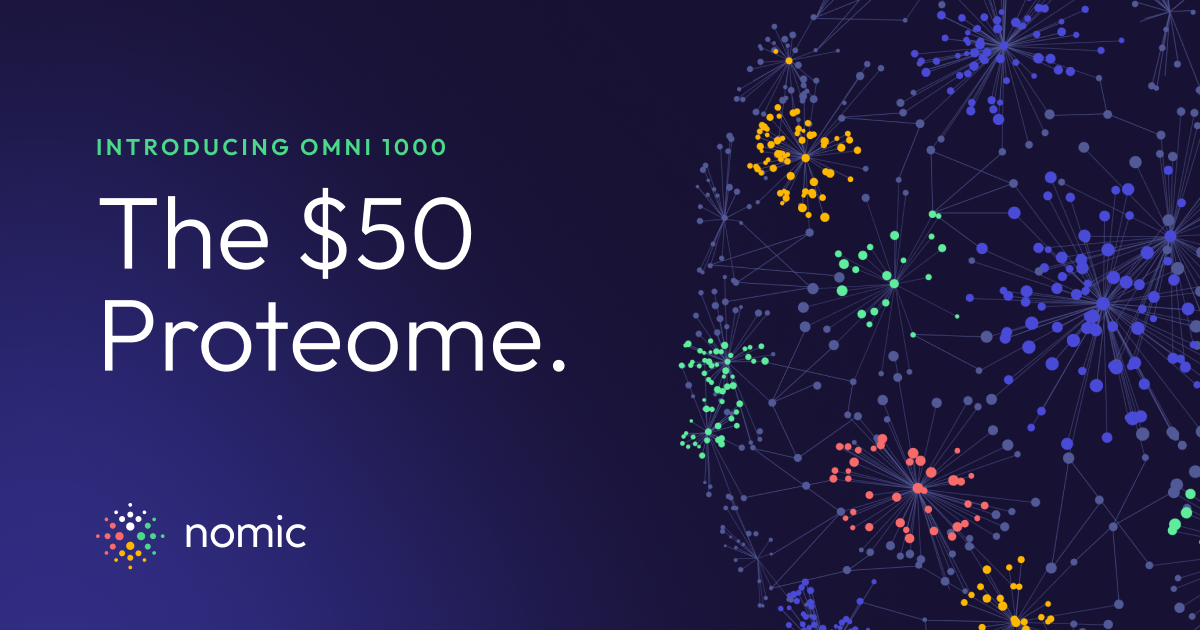
Discover Omni 1000, the revolutionary proteomics platform offering 1000 high-fidelity proteins for cost-effective and rapid analysis in any study.
Run a free AEO + signal audit for your domain.
AI Answer Engine Optimization (AEO)
List once. Convert intent from live AI conversations without heavy integration.
Unstructured data processing is the practice of analyzing and deriving meaning from information that lacks a predefined data model. It involves using advanced techniques like natural language processing (NLP), computer vision, and machine learning to handle text, images, audio, and video files. This process enables businesses to automate document analysis, enhance customer insights, and uncover valuable patterns hidden in qualitative data.
Clearly identify the specific business problems you aim to solve, such as automating invoice processing or analyzing customer feedback from call transcripts.
Choose appropriate analytical methods like sentiment analysis, object recognition, or entity extraction based on your data type and desired outcomes.
Deploy the chosen algorithms, continuously train models with new data, and validate outputs to ensure accuracy and actionable insights.
Automates the extraction of key terms and figures from contracts, loan applications, and financial reports to accelerate processing and ensure compliance.
Converts patient notes, clinical narratives, and medical imaging reports into structured data to support diagnosis, research, and operational efficiency.
Analyzes product reviews, social media images, and support chats to understand sentiment, identify trends, and personalize marketing strategies.
Processes images and sensor data from production lines to detect defects, predict maintenance needs, and optimize manufacturing processes.
Sifts through vast volumes of legal documents and correspondence to identify relevant clauses, entities, and compliance risks during audits.
Bilarna ensures provider reliability through our proprietary 57-point AI Trust Score, which rigorously assesses technical expertise, project delivery history, and client satisfaction. Our evaluation includes verifying relevant industry certifications, analyzing past project portfolios, and checking security and compliance protocols. This continuous monitoring helps you connect with pre-vetted specialists in unstructured data processing with confidence.
Key challenges include handling diverse data formats like PDFs and videos, ensuring high accuracy in text or image recognition, and integrating processed outputs with existing structured databases. Scalability and managing computational costs for large volumes of multimedia data are also significant considerations for enterprise deployments.
Costs vary significantly based on project scope, data volume, and complexity, ranging from scalable cloud-based API fees to custom enterprise solutions. Pricing models often include subscription fees for platform access, pay-per-use charges based on data processed, or fixed project fees for bespoke implementation and integration services.
Structured data processing works with information organized in predefined fields like databases and spreadsheets. Unstructured data processing, in contrast, analyzes qualitative information without a fixed schema, such as free-form text, emails, videos, and social media posts, requiring more advanced AI techniques for interpretation.
Core technologies include Natural Language Processing (NLP) for text, Computer Vision for images and video, and Automatic Speech Recognition (ASR) for audio. These are powered by machine learning frameworks, deep learning models, and often leverage pre-trained AI models for tasks like entity recognition and classification.
Implementation timelines range from weeks for integrating a pre-built API to several months for developing and training a custom, enterprise-grade system. The duration depends heavily on data complexity, required accuracy levels, integration needs with existing IT infrastructure, and the scale of the deployment.
To understand data upload limits and payment requirements on analytics platforms, follow these steps: 1. Review the platform's account types, such as free and paid plans. 2. Check the data upload limits for each plan; free accounts often have row limits per upload. 3. Determine if a credit card is required for free or paid accounts. 4. Understand the cancellation policy for paid subscriptions, which usually allows cancellation at any time.
Yes, AI RFP software typically integrates with a wide range of existing business tools such as CRM platforms, collaboration software, cloud storage services, and knowledge management systems. This seamless integration allows users to leverage their current data sources and workflows without disruption. Regarding security, reputable AI RFP solutions prioritize data protection through measures like end-to-end encryption, compliance with standards such as SOC 2, GDPR, and CCPA, and role-based access controls. Data is never shared with third parties, ensuring confidentiality and compliance with privacy regulations.
Yes, many AI-powered browsers built on Chromium technology are compatible with Chrome extensions, allowing users to continue using their favorite add-ons without interruption. These browsers often support seamless import of existing browser data such as bookmarks, passwords, and extensions from Chrome, making the transition smooth and convenient. This compatibility ensures that users do not lose their personalized settings or tools when switching to an AI-enabled browser. By combining AI capabilities with familiar browser features, users can enhance productivity while maintaining their preferred browsing environment.
Anonymous statistical data cannot usually be used to identify individual users without legal authorization. To ensure this: 1. Collect data without personal identifiers or tracking information. 2. Avoid combining datasets that could reveal user identities. 3. Use data solely for aggregated statistical analysis. 4. Obtain a subpoena or legal order if identification is necessary. 5. Maintain strict data governance policies to protect user anonymity.
Many modern data analytics platforms are designed to integrate seamlessly with your existing technology infrastructure. This means you do not need to replace your current systems to start using the platform. These solutions are built with flexibility in mind, allowing them to sit on top of your existing ecosystem without requiring extensive integration work on your part. This approach helps organizations adopt new analytics capabilities quickly while preserving their current investments in technology. It is advisable to check with the platform provider about specific integration options and compatibility with your current setup.
Data collected exclusively for anonymous statistical purposes cannot usually identify individuals. To maintain anonymity, follow these steps: 1. Remove all personal identifiers from the data. 2. Use aggregation techniques to combine data points. 3. Avoid storing detailed individual-level data. 4. Limit access to the data to authorized personnel only. 5. Regularly review data handling practices to ensure anonymity is preserved.
Yes, you can add external data sources to enhance your AI presentation by following these steps: 1. Start by entering your presentation topic into the AI generator. 2. Add a data source such as a website URL, YouTube link, or PDF document to provide additional context. 3. The AI will analyze the data source to create richer and more accurate content. 4. Review and export your enhanced presentation in your desired format.
Create data visualizations with AI in spreadsheets by following these steps: 1. Load your data into the AI-powered spreadsheet tool. 2. Direct the AI to generate charts or graphs by specifying the type of visualization you need. 3. Review the automatically created visualizations for accuracy and clarity. 4. Download or export the visualizations as interactive embeds or image files for presentations or reports.
Yes, you can download the video after AI lip sync processing is complete. Follow these steps: 1. Wait until the AI finishes synchronizing the lip movements with the audio. 2. Once processing is done, a download link or button will appear on the platform. 3. Click the download option to save the high-quality lip-synced video to your device for immediate use or sharing.
Yes, visual data insights can typically be exported in multiple formats suitable for presentations and reports. Common export options include PNG images, PDF documents, CSV files for raw data, and PowerPoint-ready files for seamless integration into slideshows. This flexibility allows users to share polished charts, maps, and tables with stakeholders, enhancing communication and decision-making. Export features are designed to accommodate various business needs, ensuring that data visualizations are presentation-ready without requiring additional technical work.