Step 1
Comparison Shortlist
Machine-Ready Briefs: AI turns undefined needs into a technical project request.
We use cookies to improve your experience and analyze site traffic. You can accept all cookies or only essential ones.
 Bilarna
Stop browsing static lists. Tell Bilarna your specific needs. Our AI translates your words into a structured, machine-ready request and instantly routes it to verified Scientific Research Tools experts for accurate quotes.
Machine-Ready Briefs: AI turns undefined needs into a technical project request.
Verified Trust Scores: Compare providers using our 57-point AI safety check.
Direct Access: Skip cold outreach. Request quotes and book demos directly in chat.
Precision Matching: Filter matches by specific constraints, budget, and integrations.
Risk Elimination: Validated capacity signals reduce evaluation drag & risk.
Ranked by AI Trust Score & Capability



Run a free AEO + signal audit for your domain.
AI Answer Engine Optimization (AEO)
List once. Convert intent from live AI conversations without heavy integration.
This category includes instruments, software, and systems designed to facilitate scientific experiments, data collection, and analysis across various disciplines. It covers laboratory equipment, automation platforms, and AI-powered tools that enable researchers to conduct experiments more efficiently, accurately, and at a larger scale. These tools address the need for precision, reproducibility, and speed in scientific discovery, supporting innovations in medicine, environmental science, materials, and beyond.
Research tools are delivered as hardware and software solutions, often involving installation, calibration, and training for users. Pricing depends on the complexity and scope of the tools, with options for licensing, subscriptions, or one-time purchases. Support services include updates, troubleshooting, and technical assistance to ensure optimal performance and longevity, making these tools accessible to research institutions and laboratories worldwide.
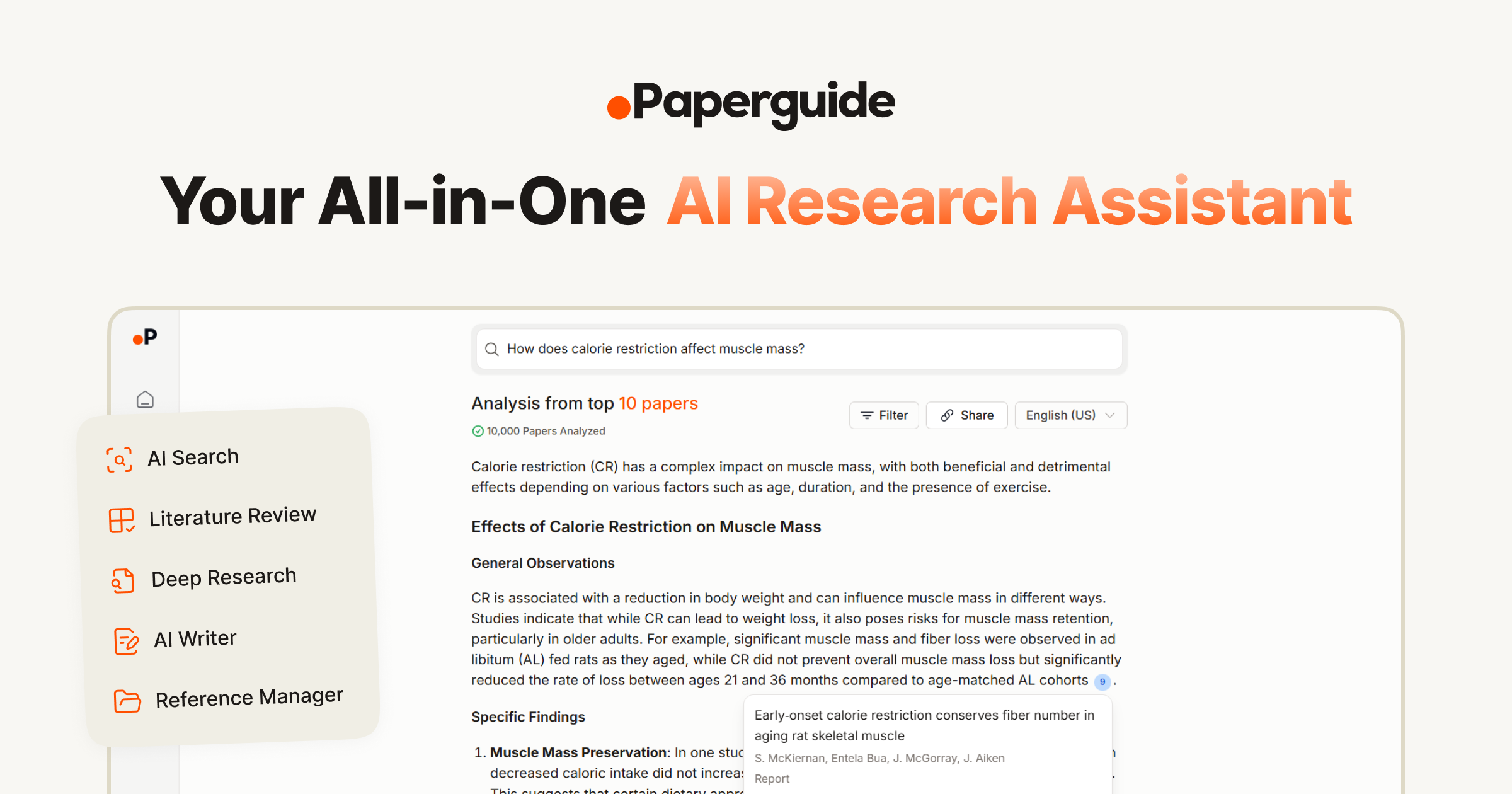
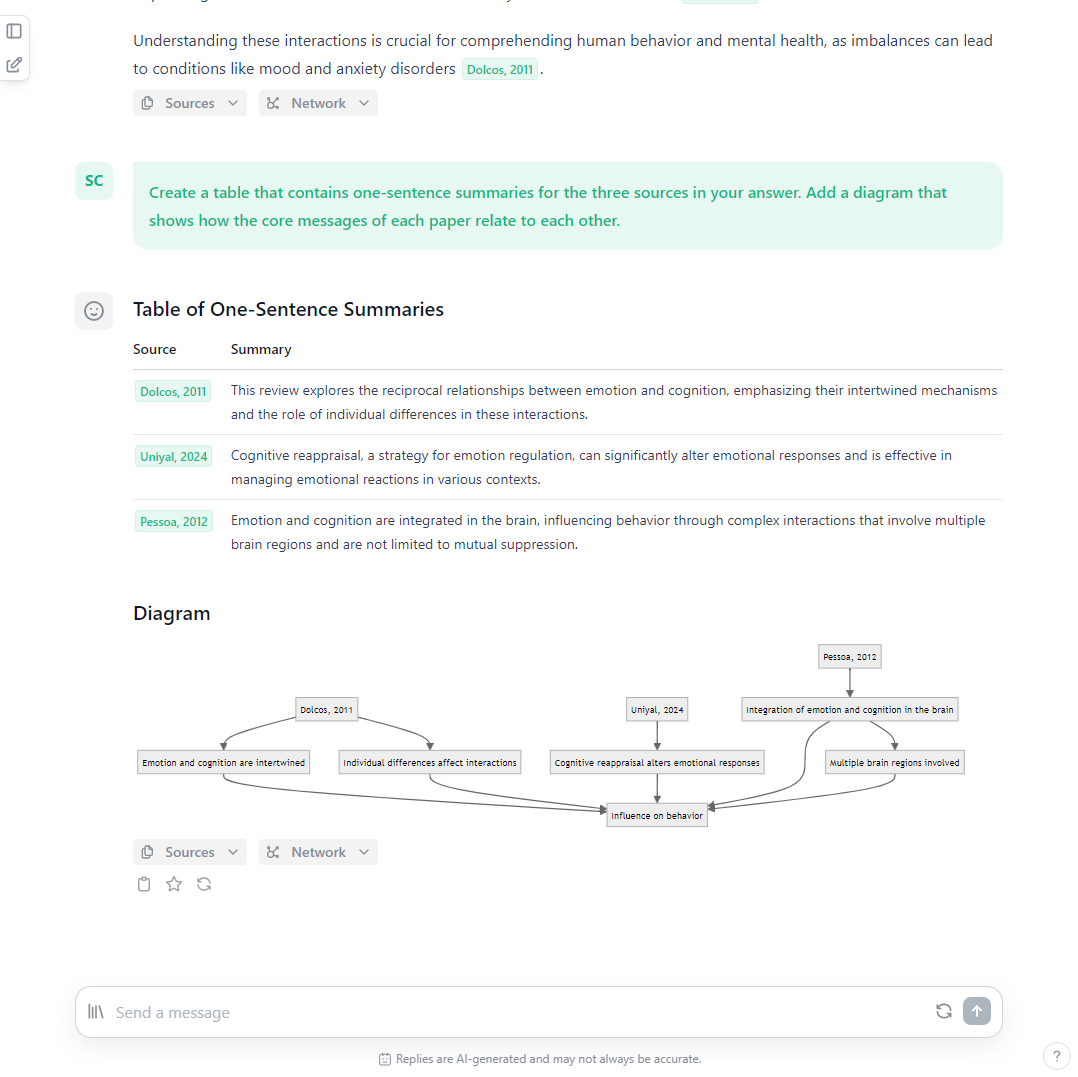
AI-powered tools that assist researchers in finding citations, generating summaries, and synthesizing insights efficiently.
View AI Search Engine for Scientific Research providersAI-powered tools for summarizing, managing references, and organizing scientific research.
View Research and Data Analysis Services providersScientific research tools — find & compare verified software for data analysis, simulations & lab management. Use Bilarna's AI platform to get matched with trusted providers.
View Scientific Research Tools providersYes, the AI-powered teacher tools are free and include the following features: 1. Worksheet Generator to create custom worksheets quickly. 2. Lesson Plan Generator for comprehensive, standards-aligned lesson plans. 3. Report Card Comments generator for professional, personalized feedback. 4. Coloring Page Generator to turn ideas into printable coloring pages. 5. All tools save your work automatically to a cloud library accessible from any device. 6. Tools are private, secure, and supported with fast in-app chat assistance.
Yes, there are several additional online tools available for photo editing besides object removal. These include: 1. Photo Watermark Remover to precisely remove watermarks from images. 2. Photo Retoucher to enhance and retouch images effectively. 3. Background Remover and Background Changer to remove or customize photo backgrounds. 4. Image Converter tools to convert images between formats like GIF to JPG, PNG to JPG, and BMP to JPG. 5. Video tools such as Compress Video and Remove Watermark for video editing needs.
Check the pricing details before using any AI video optimization tool. Follow these steps: 1. Visit the official website or platform offering the tool. 2. Review the pricing plans and terms of service carefully. 3. Look for any mention of additional costs such as subscription fees, usage limits, or premium features. 4. Contact customer support for clarification if needed to avoid unexpected charges.
Advanced language learners can benefit from beginner-focused tools by utilizing advanced features tailored to higher proficiency levels. Steps to maximize benefits include: 1. Use monolingual dictionaries integrated into the tool to deepen vocabulary understanding. 2. Import your own subtitles or known word lists to customize learning materials. 3. Employ language-specific features and hotkeys to streamline study sessions. 4. Create flashcards for entire dialogues to improve comprehension of complex conversations. 5. Take advantage of advanced text-to-speech options for better pronunciation practice. 6. Customize settings and track flashcard statistics to optimize learning efficiency. These features ensure the tool remains valuable beyond the beginner stage.
Yes, AI agents can seamlessly integrate with your existing business tools and knowledge bases. This integration allows the agents to access relevant data and workflows, enhancing their ability to automate tasks effectively. By connecting with familiar platforms, AI agents fit naturally into your current operations without disrupting established processes, enabling smoother automation and better results.
Yes, many AI animation tools allow users to personalize and edit animations after the initial generation. This capability significantly impacts creative workflows by providing flexibility and control over the final output. Users can start with an AI-generated base animation and then customize elements such as timing, colors, graphics, and text to better align with their brand identity and creative vision. This reduces the need to create animations from scratch while still enabling unique and tailored results. The ability to refine AI-generated content accelerates the creative process, saves time, and allows creators to focus more on innovation and storytelling rather than repetitive technical tasks.
Yes, AI code review tools typically integrate seamlessly with popular version control platforms such as GitHub and GitLab. This integration allows automatic review of pull requests within the existing development workflow. Many tools support a wide range of programming languages including Python, JavaScript, TypeScript, Go, Java, C, C++, C#, Swift, PHP, Rust, and others. While support for some languages may vary in response quality, these tools aim to provide comprehensive analysis across diverse codebases, helping teams maintain code quality regardless of their technology stack.
Yes, AI design engineering tools are designed for seamless integration with existing CAD, BIM, and project management software. This compatibility ensures that engineers can continue using their preferred tools without disrupting established workflows. The integration facilitates data exchange and collaboration, enhancing efficiency and enabling teams to leverage AI capabilities alongside their current systems.
Yes, AI design tools can incorporate local climate and architectural styles to create realistic and practical designs. To do this: 1. Include your location or region in the design prompt when using the AI tool. 2. The AI will tailor plant recommendations, materials, and styles based on local climate conditions and architectural norms. 3. This ensures that the generated designs are context-aware and suitable for your environment. 4. Use this feature to get region-specific designs that blend seamlessly with your home's surroundings and climate requirements.
Yes, AI email tools can be trained with your own documents or website content. 1. Access the AI tool's dashboard or training section. 2. Upload your documents, FAQs, or provide your website URL. 3. The AI will analyze the content to learn your specific information. 4. Use the trained AI to generate personalized and contextually relevant email replies. 5. Monitor character counts to stay within your plan's limits.