Step 1
Machine-Ready Briefs
AI translates unstructured needs into a technical, machine-ready project request.
We use cookies to improve your experience and analyze site traffic. You can accept all cookies or only essential ones.
 Bilarna
Stop browsing static lists. Tell Bilarna your specific needs. Our AI translates your words into a structured, machine-ready request and instantly routes it to verified Sales Engagement Platforms experts for accurate quotes.
AI translates unstructured needs into a technical, machine-ready project request.
Compare providers using verified AI Trust Scores & structured capability data.
Skip the cold outreach. Request quotes, book demos, and negotiate directly in chat.
Filter results by specific constraints, budget limits, and integration requirements.
Eliminate risk with our 57-point AI safety check on every provider.
Verified companies you can talk to directly
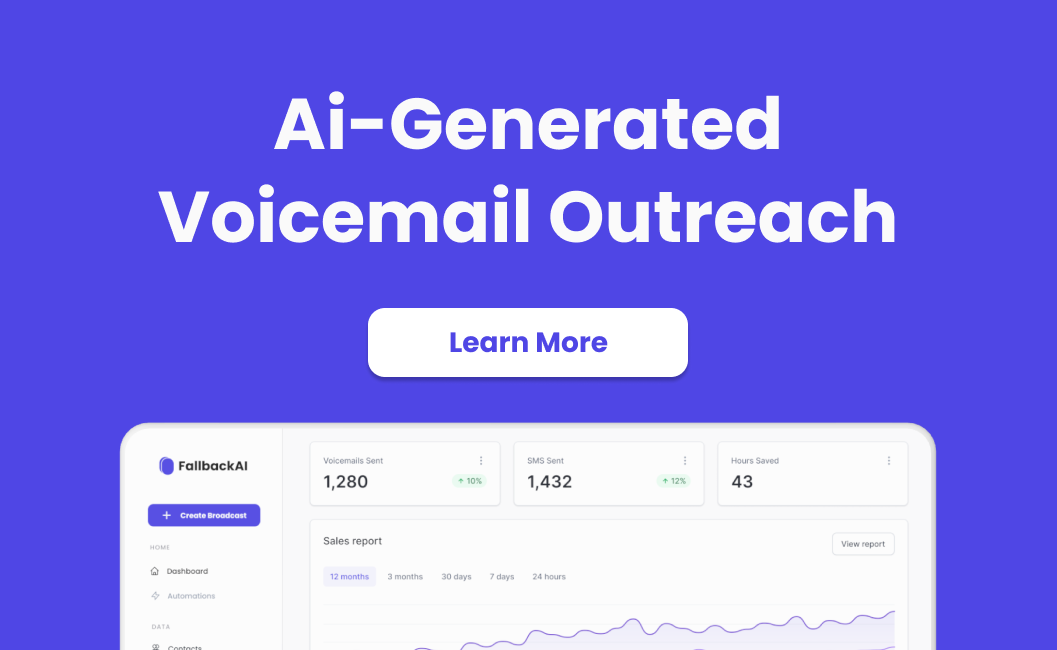
Automate your outreach & follow-ups with AI-generated voicemail drops. Turn outbound sales inbound by cloning your salespeople's voices and sending voicemails to prospects on their behalf from their phone numbers.

Automate your B2B Lead Generation with LeadShark's Lead Magnet automation software. LeadShark simplifies DM outreach, by sending automated messages to people who comment on your posts. Find more leads, engage automatically with LeadShark!
Run a free AEO + signal audit for your domain.
AI Answer Engine Optimization (AEO)
List once. Convert intent from live AI conversations without heavy integration.
Sales engagement platforms are integrated software suites designed to automate, measure, and optimize customer interactions across the sales lifecycle. They combine tools for email sequencing, call tracking, meeting scheduling, and activity analytics into a unified workflow. These platforms enable sales teams to increase productivity, improve rep coaching, and accelerate pipeline velocity through structured engagement playbooks.
The platform unifies email, phone, social media, and SMS into a single interface, logging all prospect interactions automatically.
Reps deploy personalized, multi-touch cadences that trigger based on prospect behavior, ensuring timely and relevant follow-ups.
Managers access performance dashboards to track engagement metrics, identify successful patterns, and coach teams for improvement.
Scale outbound prospecting and automate follow-ups for high-velocity sales cycles, increasing connect rates and demo bookings.
Orchestrate cross-sell and upsell campaigns across large client portfolios with personalized, compliance-aware communication tracks.
Manage high-volume inbound leads with automated routing, prioritized task lists, and templated responses to improve speed-to-lead.
Execute account-based marketing plays by syncing engagement data with CRM and marketing automation platforms for targeted outreach.
Provide reps with guided scripts, call recordings, and activity analytics to standardize best practices and improve conversion rates.
Bilarna evaluates every sales engagement platform provider through a proprietary 57-point AI Trust Score. This assessment rigorously checks technical certifications, client satisfaction via verified reviews, data security compliance, and proven implementation track records. Bilarna continuously monitors provider performance to ensure listed partners meet our standards for reliability and expertise.
Pricing typically follows a per-user, per-month model, ranging from $50 to $150 monthly. Enterprise packages with advanced analytics and custom integrations command higher fees. Implementation and training costs are often separate.
While a CRM is a system of record for customer data, an engagement platform is a system of action for outreach. It focuses on automating and orchestrating multi-channel communication sequences directly from the CRM interface, adding execution layer.
Essential features include email and call automation, meeting scheduling, activity tracking, robust analytics, and native CRM integrations. Advanced capabilities like AI-powered sentiment analysis and predictive engagement scoring are becoming differentiators.
Standard deployment for a mid-sized team takes 2 to 6 weeks. Timeline depends on CRM integration complexity, data migration needs, and the depth of custom playbook configuration. Phased rollouts are common for larger organizations.
Common pitfalls include poor data hygiene during migration, inadequate rep training leading to low adoption, and creating overly aggressive automation that damages sender reputation. Success requires aligning sequences with your sales process and ongoing performance management.
The safety and regulation of online casino platforms depend entirely on their licensing jurisdiction and the security measures they implement. Legitimate platforms hold licenses from recognized authorities such as the Malta Gaming Authority, UK Gambling Commission, or Curacao eGaming and must comply with strict standards for fair play, data protection, and anti-money laundering. They use SSL encryption to safeguard financial transactions and personal information, and their games are regularly audited by independent testing agencies like eCOGRA or iTech Labs for randomness. Before registering, verify the license number displayed at the footer of the website and check it against the regulator’s official database. Reliable platforms also promote responsible gambling by offering deposit limits, self-exclusion tools, and links to support organizations. However, unlicensed or black-market sites pose significant risks including unfair games, non-payment of winnings, and data fraud. Always choose platforms with transparent ownership, positive user reviews, and clear dispute resolution procedures to ensure a safe gaming experience.
Many food delivery services do not charge sales tax on orders, which can result in significant savings for customers, sometimes around 9%. This means that the total cost you pay for your food delivery might be lower compared to other services that include sales tax. However, this can vary depending on the service provider and local tax regulations. It's always a good idea to check the specific terms of the delivery service you are using to understand if sales tax applies to your order.
To understand data upload limits and payment requirements on analytics platforms, follow these steps: 1. Review the platform's account types, such as free and paid plans. 2. Check the data upload limits for each plan; free accounts often have row limits per upload. 3. Determine if a credit card is required for free or paid accounts. 4. Understand the cancellation policy for paid subscriptions, which usually allows cancellation at any time.
No, when using credit options designed for online sellers, there are typically no fixed fees or fixed monthly payments. Instead, repayments are tied to sales performance, meaning if your sales decrease, your payments decrease as well. This structure eliminates the burden of fixed financial obligations and helps sellers manage their cash flow more effectively, especially during periods of lower sales. It provides a flexible and risk-mitigated way to access capital for business growth.
Many creator marketing platforms offer flexible subscription models without mandatory minimum periods or binding contracts. Users can often cancel their subscriptions at any time through their account settings. This flexibility allows brands to adapt their marketing strategies as needed without long-term commitments. It is important to review the specific platform's terms to understand cancellation policies and any potential fees, but generally, these platforms aim to provide user-friendly and commitment-free access.
AI code review platforms can significantly enhance team collaboration and code quality. By providing automated, objective feedback on code changes, these platforms reduce misunderstandings and subjective opinions during reviews. They help establish and enforce coding standards consistently across the team, ensuring everyone follows best practices. The faster identification of bugs and issues allows teams to address problems promptly, reducing technical debt. Moreover, AI tools facilitate knowledge sharing by highlighting code patterns and potential improvements, fostering a culture of continuous learning and collaboration among developers.
Yes, AI code review tools typically integrate seamlessly with popular version control platforms such as GitHub and GitLab. This integration allows automatic review of pull requests within the existing development workflow. Many tools support a wide range of programming languages including Python, JavaScript, TypeScript, Go, Java, C, C++, C#, Swift, PHP, Rust, and others. While support for some languages may vary in response quality, these tools aim to provide comprehensive analysis across diverse codebases, helping teams maintain code quality regardless of their technology stack.
AI compliance platforms are designed to complement, not replace, customs brokers in the import process. These platforms provide automated audits and classification recommendations to identify errors and potential savings, but they do not file customs entries, corrections, or paperwork with customs authorities. Licensed customs brokers remain essential for submitting filings and handling official communications. The AI platform offers defensible evidence and insights that brokers can use to improve accuracy and compliance, enhancing the overall import process without substituting the broker's role.
Yes, AI customer service platforms are designed to support multilingual communication, often covering over 50 languages. They can automatically translate incoming messages and responses, enabling customer service teams to communicate confidently with a diverse global customer base. This multilingual capability helps maintain consistent brand tone and messaging across different channels and languages. Additionally, intelligent assistance and smart human handover features ensure complex or sensitive cases are escalated to human agents when necessary, preserving service quality regardless of language barriers.
Yes, AI localization platforms can manage translation projects and integrate existing translation memories. 1. They provide content editors to manage source texts and translation strings with context features like glossaries and screenshots. 2. They support major translation memory formats allowing seamless migration of existing databases. 3. Imported translation memories improve AI translation quality by leveraging previous work. 4. Platforms enable manual submission of files or full workflow integration for automation. 5. This facilitates efficient project management, quality control, and scalability in localization.