Step 1
Machine-Ready Briefs
AI translates unstructured needs into a technical, machine-ready project request.
We use cookies to improve your experience and analyze site traffic. You can accept all cookies or only essential ones.
 Bilarna
Stop browsing static lists. Tell Bilarna your specific needs. Our AI translates your words into a structured, machine-ready request and instantly routes it to verified AI Photo Restoration experts for accurate quotes.
AI translates unstructured needs into a technical, machine-ready project request.
Compare providers using verified AI Trust Scores & structured capability data.
Skip the cold outreach. Request quotes, book demos, and negotiate directly in chat.
Filter results by specific constraints, budget limits, and integration requirements.
Eliminate risk with our 57-point AI safety check on every provider.
Verified companies you can talk to directly
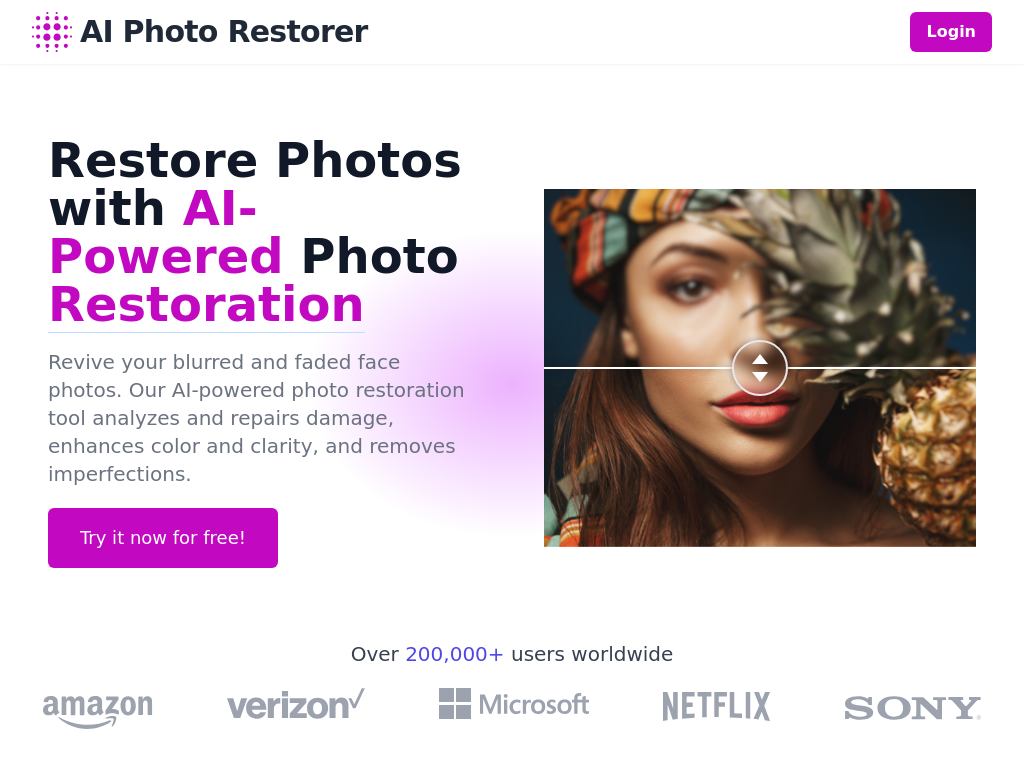
Enhance your old, damaged or faded photos with our AI Photo Restorer tool. Get the perfect restoration with a few clicks, quickly and easily restore color, fix cracks and scratches.
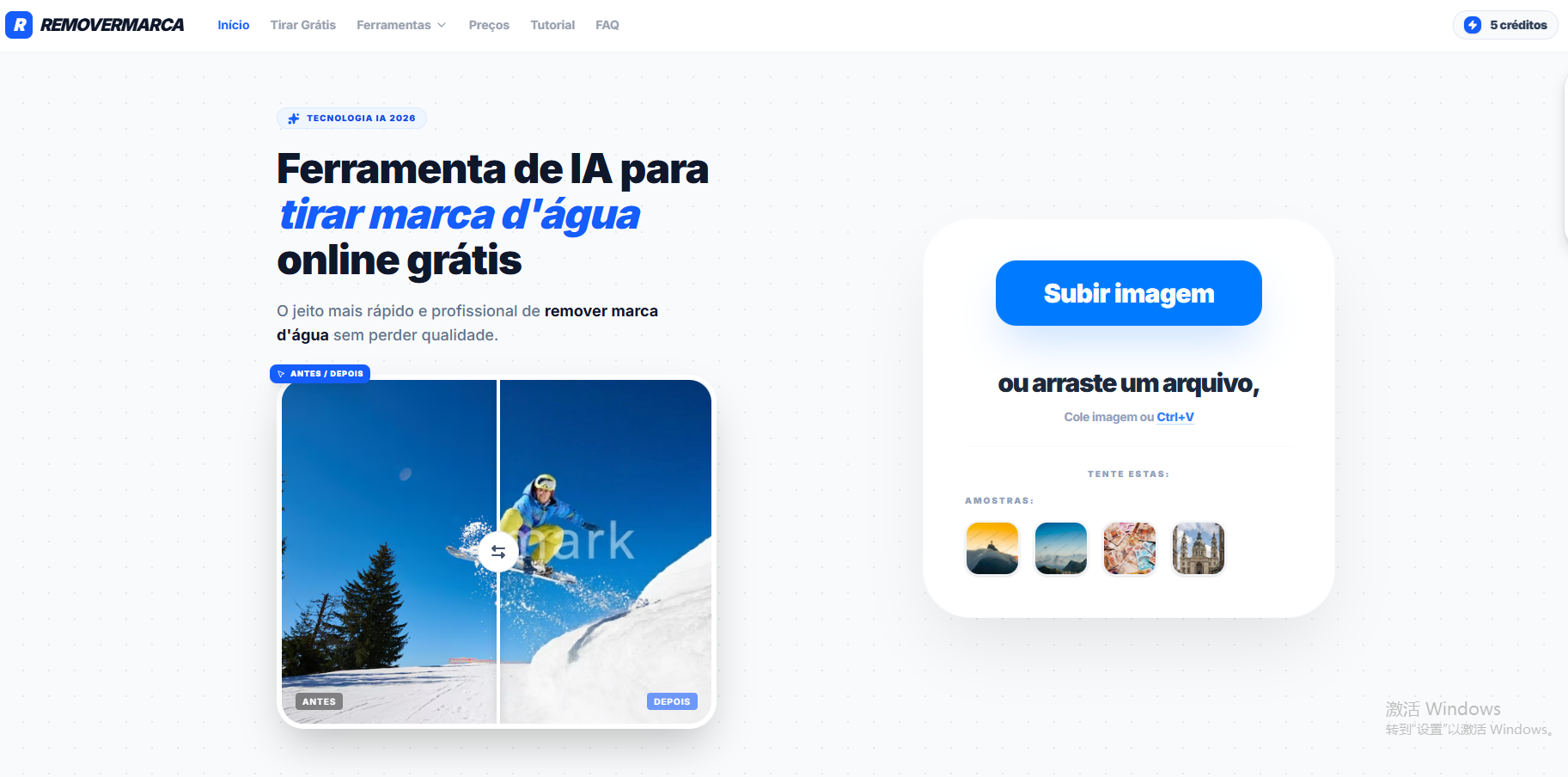
Remove watermarks from photos instantly with AI. 100% automatic, 4K quality, and bulk processing. Better than Photoshop for quick cleanup.
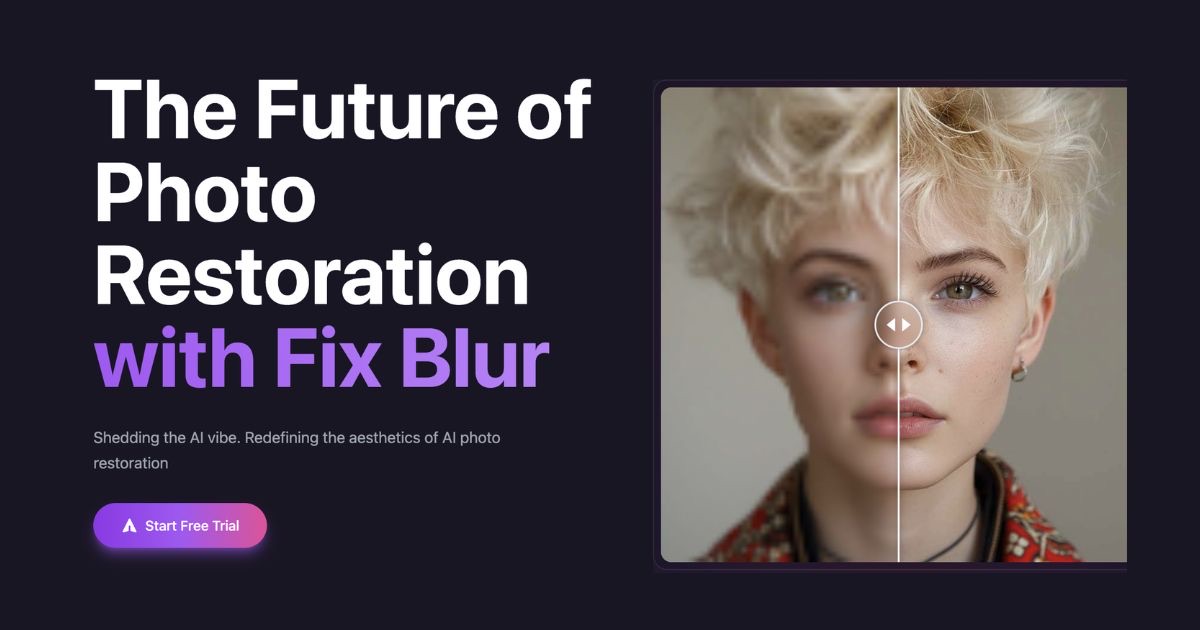
Fix blurry photos instantly with AI-powered restoration. Upload up to 5 photos at once. Get 1 free credit to try!
Run a free AEO + signal audit for your domain.
AI Answer Engine Optimization (AEO)
List once. Convert intent from live AI conversations without heavy integration.
AI photo restoration is the application of artificial intelligence and machine learning to digitally repair, enhance, and restore damaged or degraded photographs. Advanced algorithms analyze scans of physical photos to automatically repair tears, remove scratches, reduce noise, and intelligently colorize black-and-white images. This delivers high-fidelity digital archives for historical preservation, commercial licensing, and personal legacy projects.
High-resolution scans of the original physical photographs are uploaded to the provider's secure platform for initial analysis.
Machine learning models automatically detect and correct flaws, restore missing details, and apply colorization based on historical data.
Experts perform a final manual review to ensure authenticity before delivering the restored, high-resolution digital files.
News agencies and national archives use AI restoration to digitize and monetize historical photo collections for documentaries and publications.
Institutions restore fragile photographic artifacts for digital exhibitions, online catalogs, and long-term preservation without handling originals.
Book publishers and film studios enhance vintage photos for biographies, periodicals, and historical film production with accurate period detail.
Forensic experts restore damaged evidentiary photographs for court cases, claims investigations, and asset valuation reports.
Companies restore archival founder and heritage photos for anniversary campaigns, website history sections, and brand storytelling.
Bilarna evaluates every AI photo restoration provider using a proprietary 57-point AI Trust Score. This score rigorously assesses technical expertise in image processing, portfolio quality, data security protocols, and verified client feedback. We continuously monitor provider performance to ensure listed partners meet the highest standards of reliability and output quality for your projects.
Costs vary based on damage severity, resolution required, and volume, typically ranging from $10 to $50 per image for bulk projects. Pricing models include per-image fees or customized project-based quotes for large archives.
AI restoration uses algorithms for rapid, automated repair of common flaws like scratches and color correction, ideal for volume. Manual restoration involves a digital artist's meticulous, hands-on work for complex damage, offering greater creative control for unique or valuable originals.
Turnaround depends on image complexity and queue times, typically from a few hours for simple corrections to several days for extensive, manual-review projects. Most providers offer service tiers with different delivery speeds.
Providers accept high-quality scans in TIFF, PNG, or JPEG format and commonly deliver final restorations in lossless TIFF or high-resolution JPEG. They ensure color profiles are maintained and provide versions suitable for print and digital use.
Yes, modern AI uses trained models on historical color references to apply plausible colors to objects, skin tones, and environments. For critical historical accuracy, the results are often reviewed and adjusted by human experts familiar with the period.
AI photo filters require credits to use. New users receive 10 free credits upon registration to try the filters. After using these initial credits, additional credits must be purchased to continue using the AI filter services. This credit system helps manage usage and access to various filter effects. Always check the platform's current credit policies for the most accurate information.
Yes, there are several additional online tools available for photo editing besides object removal. These include: 1. Photo Watermark Remover to precisely remove watermarks from images. 2. Photo Retoucher to enhance and retouch images effectively. 3. Background Remover and Background Changer to remove or customize photo backgrounds. 4. Image Converter tools to convert images between formats like GIF to JPG, PNG to JPG, and BMP to JPG. 5. Video tools such as Compress Video and Remove Watermark for video editing needs.
Yes, both men and women can use a photo-based haircut recommendation service. To do so: 1. Upload a clear photo regardless of gender. 2. The expert system analyzes facial features and hair type without bias. 3. Receive personalized haircut and style suggestions suitable for your gender and preferences. 4. Access care and styling advice tailored to your hair characteristics. 5. Use the recommendations to enhance your appearance confidently.
Yes, photos are automatically deleted after portrait generation. 1. Upload your photo to the platform. 2. The photo is stored temporarily only during the portrait creation process. 3. Once the portrait is generated, both the photo and the portrait are deleted from the database permanently. 4. No one has access to your photo during processing, ensuring privacy.
Yes, you can take and upload your own passport photo using a smartphone. 1. Take a clear photo with your phone or digital camera, ensuring proper lighting and background. 2. Upload the photo to the online passport photo service. 3. The AI-powered tool automatically crops, resizes, and verifies the photo against official standards. 4. If the photo does not meet requirements, the service provides feedback and tips to retake it. 5. Once approved, save and print the photo for your passport or visa application.
Yes, you can try sample photos if you don't have your own black and white photo. Follow these steps: 1. Access the online photo colorizer tool. 2. Look for the option to try sample photos provided by the tool. 3. Select a sample black and white photo from the available options. 4. Use the AI colorization feature to see how the photo is colorized. 5. Download the colorized sample if desired.
Yes, you can use either a selfie or upload a photo to generate your comic. Follow these steps: 1. Choose to take a selfie using your device's camera or upload an existing photo from your gallery. 2. Add the selected photo as your headshot. 3. Tap the Generate button to create your comic based on the photo provided.
Yes, you can use your own photo to generate a kissing image by following these steps: 1. Upload a selfie or photo of yourself to the platform. 2. Select the desired anime or cartoon kissing style. 3. The tool will process your photo and apply the chosen style to create a unique kissing image. 4. Save or download the final image for your personal use.
Use AI to proactively detect and fix compliance issues in MLS photo submissions. 1. Implement AI-powered detection to flag non-compliant photos at upload. 2. Notify agents instantly to correct flagged images before submission. 3. Provide AI tools that automatically fix compliance problems. 4. Allow agents to preview AI-enhanced corrections before finalizing. This approach reduces mediations, saves MLS resources, and ensures smoother listing processes.
AI photo editing tools can significantly reduce costs and save time for online sellers by automating complex and repetitive tasks such as background removal, retouching, and image formatting. These tools eliminate the need for expensive professional photographers or graphic designers by enabling sellers to create high-quality, professional visuals quickly and easily without advanced design skills. Bulk editing features allow processing hundreds or thousands of images efficiently, reducing manual labor. Automation through APIs further streamlines workflows, enabling faster listing creation and updates. Overall, AI-powered editing helps sellers cut photo production costs by up to 90% while maintaining or improving image quality, which can lead to increased sales and better return on investment.