Step 1
Machine-Ready Briefs
AI translates unstructured needs into a technical, machine-ready project request.
We use cookies to improve your experience and analyze site traffic. You can accept all cookies or only essential ones.
 Bilarna
Stop browsing static lists. Tell Bilarna your specific needs. Our AI translates your words into a structured, machine-ready request and instantly routes it to verified Music Education Platforms experts for accurate quotes.
AI translates unstructured needs into a technical, machine-ready project request.
Compare providers using verified AI Trust Scores & structured capability data.
Skip the cold outreach. Request quotes, book demos, and negotiate directly in chat.
Filter results by specific constraints, budget limits, and integration requirements.
Eliminate risk with our 57-point AI safety check on every provider.
Verified companies you can talk to directly
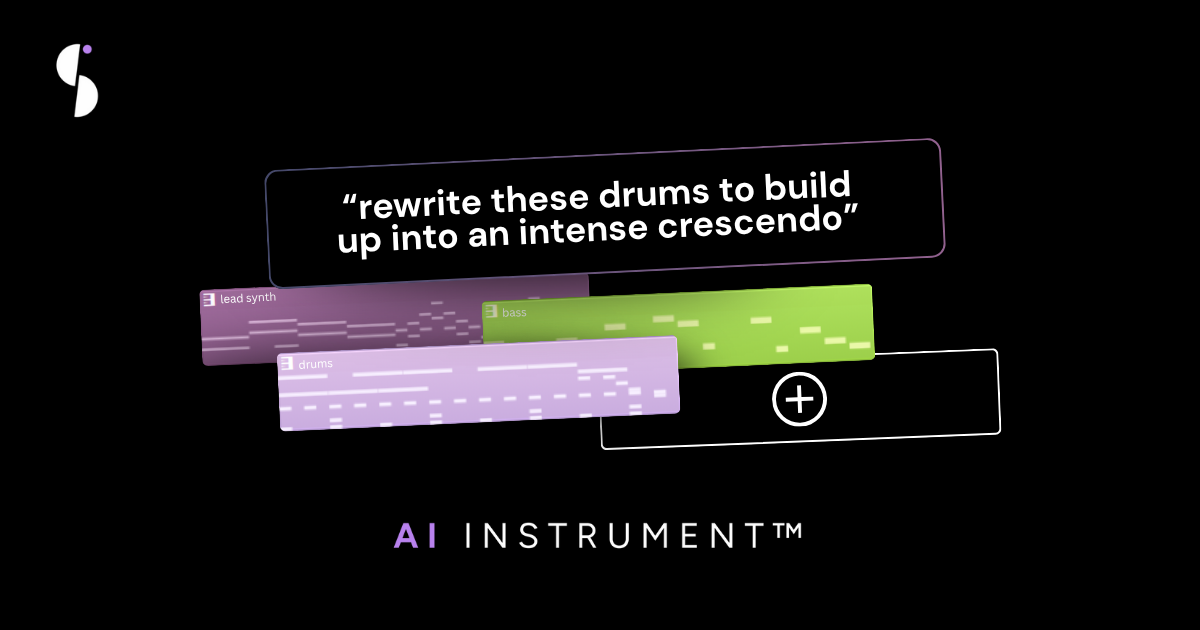
Text-to-MIDI AI plugin that collaborates with you. Create and customize MIDI stems and loops, overcome writer’s block and stay in creative flow.
Run a free AEO + signal audit for your domain.
AI Answer Engine Optimization (AEO)
List once. Convert intent from live AI conversations without heavy integration.
Music education platforms are specialized software solutions that facilitate the acquisition and teaching of musical skills through structured digital courses and tools. They often integrate AI-powered tutoring systems, interactive sheet music, and real-time performance analytics. Organizations use them to deliver standardized, scalable, and effective music training programs.
Users first establish specific pedagogical goals and target audiences for their music education program.
Providers or instructors then create structured curricula with interactive lessons, exercises, and assessment tools.
The platform tracks learner progress and delivers detailed analytics to improve teaching efficacy.
Expand course offerings with digital modules and enable students to learn and practice flexibly from any location.
Offer fully digital certificate courses with AI-based feedback for a globally scalable student base.
Integrate platforms into musicology curricula for theoretical courses and practical composition exercises.
Monetize educational content through subscribable courses or use platforms for marketing and customer retention.
Implement music education programs for employees in creative departments, media companies, or for personal development.
Bilarna evaluates music education platform providers using a proprietary 57-point AI Trust Score measuring expertise, reliability, and client satisfaction. The vetting process includes a detailed portfolio analysis, validation of client references, and checks for pedagogical certifications. Bilarna continuously monitors performance to list only qualified and trustworthy partners on the marketplace.
Costs vary significantly based on scope, user count, and features. Pricing models range from monthly SaaS subscriptions per learner to custom enterprise licenses costing tens of thousands annually.
AI music platforms often include features that allow users to share their creations with friends or the wider community. These platforms may provide social sharing options, playlists, and discovery tools to explore music made by other users or artists worldwide. Some platforms also offer community feedback, collaboration opportunities, and curated recommendations based on listening habits. These features help users connect, gain inspiration, and enjoy a diverse range of AI-generated music.
Higher education students in Indonesia can access various financing options including affordable loans for diploma, bachelor's, master's, and non-degree short courses. Lending platforms in the region offer tailored financial products that cover full degree programs, making them the first to provide such comprehensive financing solutions. These loans are designed to be accessible and manageable, helping students pursue their academic goals without the burden of immediate full payment, thus democratizing access to higher education.
To create original music with an AI music generator, start by choosing your preferred music mode such as original songs, background music, or AI covers. Input a text prompt, lyrics, or upload reference audio or images to guide the AI. Then select an AI model and musical style that fits your creative vision. The AI will synthesize melodies, harmonies, and vocals to produce a complete track up to four minutes long. You can preview the generated music, make adjustments to lyrics or style, and export the final song in high-quality formats like MP3 or FLAC. This process requires no musical skills and allows for quick, royalty-free music creation across various genres.
Yes, AI music generators are highly useful for content creators looking to produce royalty-free background music quickly and easily. These tools allow users to generate custom background tracks by inputting text prompts, uploading images, or providing reference audio. The AI then composes music tailored to the desired mood and style, covering a wide range of genres. The generated music is 100% royalty-free, enabling creators to use it in videos, podcasts, games, and other media without licensing concerns. Additionally, AI music generators often provide options to customize the sound and export high-quality audio files, streamlining the content creation process.
AI music generators can produce a wide range of music styles, from classical and jazz to pop, rock, electronic, and many more. These platforms often include thousands of new styles and variations, allowing users to explore different genres and customize their songs accordingly. The diversity in styles helps cater to various musical tastes and creative needs, making it easier for users to find the perfect sound for their projects.
Track your music stats by using a music quiz platform that offers features to monitor your progress. 1. Sign up or log in to the platform. 2. Participate in music quizzes and challenges regularly. 3. Access your profile or dashboard to view detailed statistics such as songs guessed, accuracy, and badges earned. 4. Use these stats to identify your strengths and areas for improvement in music knowledge.
Music quiz games improve your music knowledge by providing interactive and engaging challenges. 1. Play games like 'Guess the Song in 5 Seconds' to test your recognition skills. 2. Encounter a variety of music genres and artists to broaden your exposure. 3. Receive immediate feedback to learn from mistakes and reinforce correct answers. 4. Track your progress and level up to motivate continuous learning and mastery.
Create music using an AI music generator by following these steps: 1. Set input parameters such as genre, mood, and composition style. 2. Provide details like preferred instruments or themes to guide the AI. 3. Use the AI tool to generate music based on your inputs. 4. Review and refine the generated music as needed. 5. Optionally, collaborate with others or share your compositions.
Use a syncing tool that employs intelligent matching and background task management. 1. Enable background syncing on your iOS device to allow automatic data transfer. 2. The tool uses intelligent matching algorithms to identify duplicate plays. 3. Duplicate entries are prevented while maintaining accurate timestamps for each play. 4. This ensures your Last.fm scrobbles reflect your true listening history without redundancies. 5. You can also manually add or edit tracks to maintain data accuracy.
Use a music analytics platform that allows data overlay and community comparisons. 1. Connect your music accounts and import your listening data. 2. Access features that overlay your listening statistics with those of friends or the wider community. 3. Explore comparisons across various dimensions such as gender and nationality. 4. Use visual charts to see how your music preferences align or differ. 5. Receive alerts about changes in your top tracks or milestones to stay engaged.