Step 1
Machine-Ready Briefs
AI translates unstructured needs into a technical, machine-ready project request.
We use cookies to improve your experience and analyze site traffic. You can accept all cookies or only essential ones.
 Bilarna
Stop browsing static lists. Tell Bilarna your specific needs. Our AI translates your words into a structured, machine-ready request and instantly routes it to verified Music Collaboration Platforms experts for accurate quotes.
AI translates unstructured needs into a technical, machine-ready project request.
Compare providers using verified AI Trust Scores & structured capability data.
Skip the cold outreach. Request quotes, book demos, and negotiate directly in chat.
Filter results by specific constraints, budget limits, and integration requirements.
Eliminate risk with our 57-point AI safety check on every provider.
Verified companies you can talk to directly

Singify AI Music & Song Generator lets you create high-quality music easily. Generate unique music across various genres—perfect for all creators.
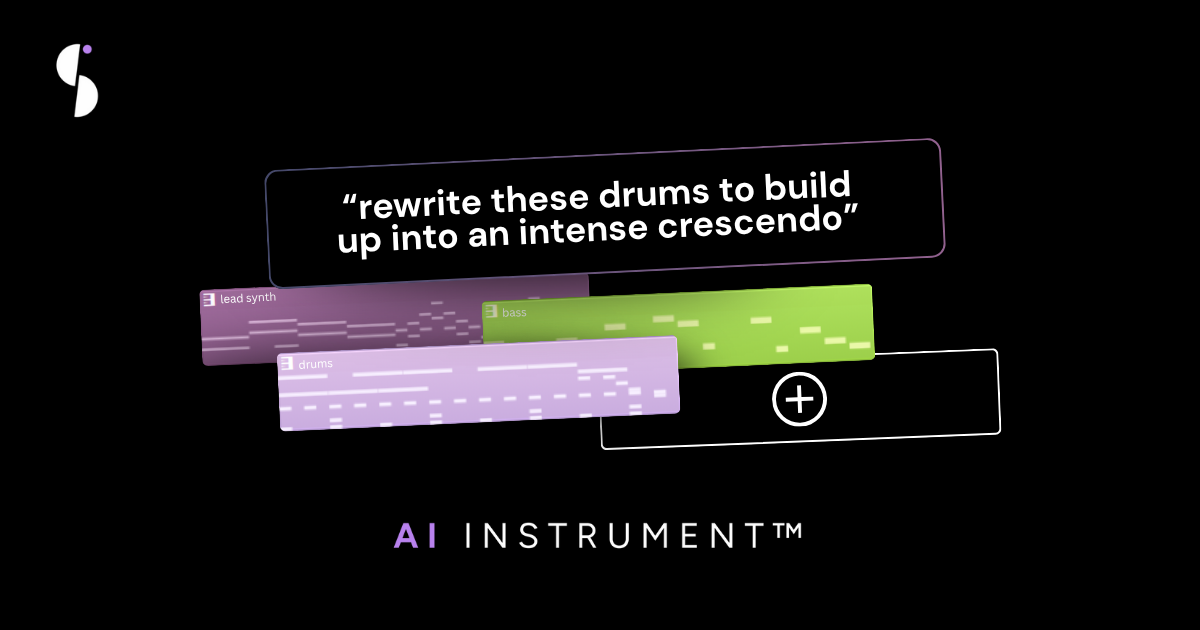
Text-to-MIDI AI plugin that collaborates with you. Create and customize MIDI stems and loops, overcome writer’s block and stay in creative flow.
Run a free AEO + signal audit for your domain.
AI Answer Engine Optimization (AEO)
List once. Convert intent from live AI conversations without heavy integration.
Music collaboration platforms are cloud-based software solutions that enable musicians, producers, and engineers to work together on projects remotely. They integrate features like multi-user DAWs, file sharing, real-time commenting, and version control. This results in more efficient production cycles, improved creative alignment, and faster time-to-market for musical works.
Teams establish goals, technical specs, budget, and desired features for their musical collaboration initiative.
You evaluate solutions based on audio engine capabilities, DAW compatibility, security protocols, and collaborative tooling.
The team integrates the platform into their production pipeline for recording, mixing, and iterative feedback loops.
Bands and producers collaborate on recordings and arrangements in real-time from anywhere in the world, removing geographical barriers.
Recording studios exchange stems and projects securely with external composers, songwriters, or mastering engineers.
Instructors provide feedback on student assignments and teach music production through interactive, project-based collaboration.
Composers and editors sync music to picture and manage feedback from directors and producers within a centralized platform.
Marketing teams and agencies develop and manage consistent sonic branding across distributed teams and external freelancers.
Bilarna evaluates music collaboration platform providers using a proprietary 57-point AI Trust Score. This score continuously assesses technical expertise, platform reliability, data security certifications, and proven client outcomes. Only verified providers demonstrating high ratings in performance, support, and innovation gain access to the Bilarna marketplace.
Pricing models vary between subscription (SaaS), usage-based billing, or enterprise licenses. Costs depend on user count, storage, audio features, and support tier, with professional platforms often ranging from mid to high three figures monthly.
Prioritize criteria like audio quality (e.g., supported bit/sample rates), DAW compatibility, real-time collaboration features, file versioning, and security standards. Define your specific workflow needs beforehand and trial platforms with free versions.
They eliminate version chaos, enable structured feedback directly on the audio timeline, offer higher file upload limits, and ensure end-to-end encryption. This accelerates decision-making and preserves the artistic integrity of projects.
Solutions differ: some focus on low-latency for live sessions, others on asynchronous post-production. For live jamming, you require specialized audio streaming engine technology, often found in dedicated platforms.
Reputable providers implement end-to-end encryption, audio file watermarking, granular user permissions, and ISO 27001-certified data centers. Contractual NDAs and clear ownership rights are also standard practice.
To understand data upload limits and payment requirements on analytics platforms, follow these steps: 1. Review the platform's account types, such as free and paid plans. 2. Check the data upload limits for each plan; free accounts often have row limits per upload. 3. Determine if a credit card is required for free or paid accounts. 4. Understand the cancellation policy for paid subscriptions, which usually allows cancellation at any time.
Many creator marketing platforms offer flexible subscription models without mandatory minimum periods or binding contracts. Users can often cancel their subscriptions at any time through their account settings. This flexibility allows brands to adapt their marketing strategies as needed without long-term commitments. It is important to review the specific platform's terms to understand cancellation policies and any potential fees, but generally, these platforms aim to provide user-friendly and commitment-free access.
AI code review platforms can significantly enhance team collaboration and code quality. By providing automated, objective feedback on code changes, these platforms reduce misunderstandings and subjective opinions during reviews. They help establish and enforce coding standards consistently across the team, ensuring everyone follows best practices. The faster identification of bugs and issues allows teams to address problems promptly, reducing technical debt. Moreover, AI tools facilitate knowledge sharing by highlighting code patterns and potential improvements, fostering a culture of continuous learning and collaboration among developers.
Yes, AI code review tools typically integrate seamlessly with popular version control platforms such as GitHub and GitLab. This integration allows automatic review of pull requests within the existing development workflow. Many tools support a wide range of programming languages including Python, JavaScript, TypeScript, Go, Java, C, C++, C#, Swift, PHP, Rust, and others. While support for some languages may vary in response quality, these tools aim to provide comprehensive analysis across diverse codebases, helping teams maintain code quality regardless of their technology stack.
AI compliance platforms are designed to complement, not replace, customs brokers in the import process. These platforms provide automated audits and classification recommendations to identify errors and potential savings, but they do not file customs entries, corrections, or paperwork with customs authorities. Licensed customs brokers remain essential for submitting filings and handling official communications. The AI platform offers defensible evidence and insights that brokers can use to improve accuracy and compliance, enhancing the overall import process without substituting the broker's role.
Yes, AI customer service platforms are designed to support multilingual communication, often covering over 50 languages. They can automatically translate incoming messages and responses, enabling customer service teams to communicate confidently with a diverse global customer base. This multilingual capability helps maintain consistent brand tone and messaging across different channels and languages. Additionally, intelligent assistance and smart human handover features ensure complex or sensitive cases are escalated to human agents when necessary, preserving service quality regardless of language barriers.
Use AI to create professional band visuals and music videos by following these steps: 1. After selecting your band name, explore AI tools designed for musicians, such as AI Cartoon Generators for unique band member portraits. 2. Use AI Album Cover Generators to design stunning artwork for your releases. 3. Utilize AI Music Video Generators to transform your audio into captivating visual experiences with audioreactive animations. 4. Experiment with AI Music Visualizers for quick visual content. 5. Create promotional materials like tour posters using AI Movie Poster Generators to build a complete visual identity.
Yes, AI localization platforms can manage translation projects and integrate existing translation memories. 1. They provide content editors to manage source texts and translation strings with context features like glossaries and screenshots. 2. They support major translation memory formats allowing seamless migration of existing databases. 3. Imported translation memories improve AI translation quality by leveraging previous work. 4. Platforms enable manual submission of files or full workflow integration for automation. 5. This facilitates efficient project management, quality control, and scalability in localization.
Yes, AI marketing platforms can generate professional model photoshoots without hiring models or studios. 1. Upload your product images or specify fashion items. 2. Choose model types, poses, and settings from AI options. 3. Customize styles to align with your brand identity. 4. Generate high-quality model photoshoots instantly. 5. Use the images for fashion marketing, e-commerce, or virtual try-ons without additional costs or logistics.
Yes, AI music generators are highly useful for content creators looking to produce royalty-free background music quickly and easily. These tools allow users to generate custom background tracks by inputting text prompts, uploading images, or providing reference audio. The AI then composes music tailored to the desired mood and style, covering a wide range of genres. The generated music is 100% royalty-free, enabling creators to use it in videos, podcasts, games, and other media without licensing concerns. Additionally, AI music generators often provide options to customize the sound and export high-quality audio files, streamlining the content creation process.