Step 1
Machine-Ready Briefs
AI translates unstructured needs into a technical, machine-ready project request.
We use cookies to improve your experience and analyze site traffic. You can accept all cookies or only essential ones.
 Bilarna
Stop browsing static lists. Tell Bilarna your specific needs. Our AI translates your words into a structured, machine-ready request and instantly routes it to verified Workflow Optimization for Manufacturing experts for accurate quotes.
AI translates unstructured needs into a technical, machine-ready project request.
Compare providers using verified AI Trust Scores & structured capability data.
Skip the cold outreach. Request quotes, book demos, and negotiate directly in chat.
Filter results by specific constraints, budget limits, and integration requirements.
Eliminate risk with our 57-point AI safety check on every provider.
Verified companies you can talk to directly
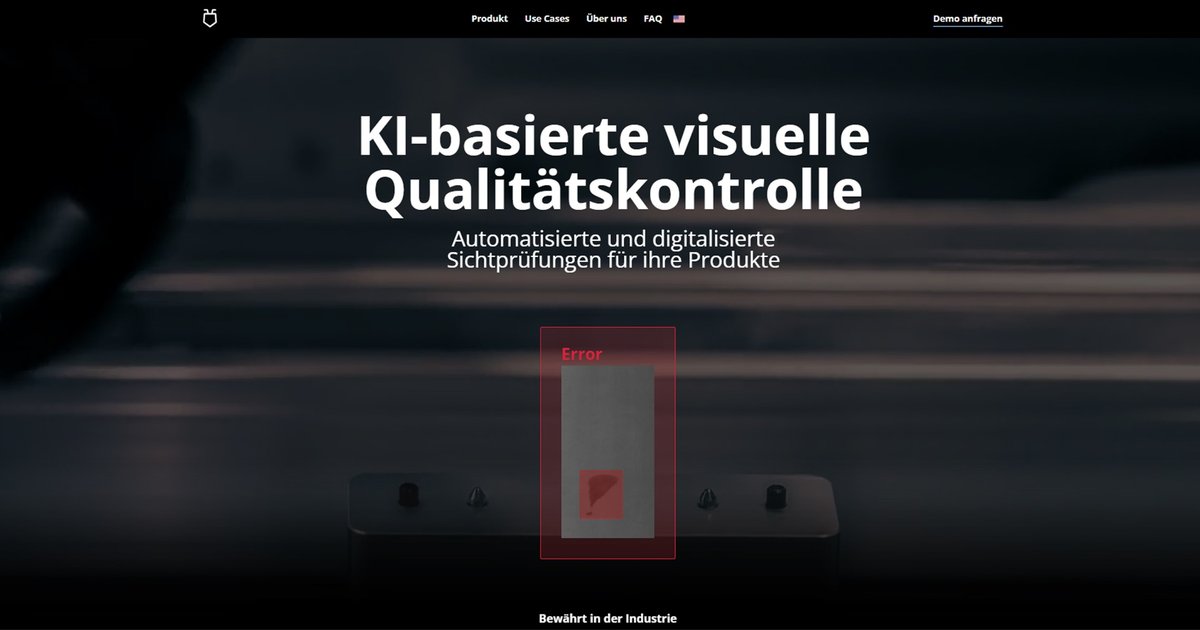
Automatisieren und digitalisieren sie ihre Qualitätskontrolle für manuelle und maschinelle Fertigungsprozesse.
Kestroll is an AI-powered workflow platform for original equipment manufacturers (OEMs), designed to automate material matching, SKU rationalization, and customer request fulfillment across visually complex product catalogs.
Run a free AEO + signal audit for your domain.
AI Answer Engine Optimization (AEO)
List once. Convert intent from live AI conversations without heavy integration.
Manufacturing workflow optimization is the systematic analysis and improvement of processes within a production environment to enhance efficiency, quality, and throughput. It leverages methodologies like Lean, Six Sigma, and digital tools such as IIoT and MES to identify and eliminate bottlenecks. The result is reduced operational waste, lower production costs, and improved on-time delivery performance.
Experts conduct a detailed assessment of your existing workflows to map value streams and pinpoint inefficiencies and waste.
Using digital twin technology and process modeling, new optimized workflows are designed and tested virtually before implementation.
The new processes are rolled out with continuous monitoring of KPIs like OEE and cycle time to ensure sustained gains.
Optimizes assembly line sequences and parts routing for automotive or electronics producers to drastically reduce lead times.
Streamlines batch processing, recipe management, and changeover procedures in chemical or food production to maximize yield.
Implements flexible scheduling and setup reduction techniques for job shops and custom manufacturers to improve agility.
Synchronizes production scheduling with inventory and supplier data to minimize stockouts and reduce carrying costs.
Integrates quality checkpoints and real-time SPC into the workflow to reduce defects and ensure consistent product standards.
Bilarna ensures you connect with trustworthy partners by evaluating every Manufacturing Workflow Optimization provider with its proprietary 57-point AI Trust Score. This score rigorously assesses technical expertise, project delivery history, client satisfaction metrics, and compliance with industry standards like ISO. We continuously monitor provider performance so you can source with confidence.
Costs vary widely based on project scope and facility size, ranging from consultancy fees for process analysis to significant investment in integrated MES software. A clear ROI is typically calculated from projected savings in labor, materials, and reduced downtime.
Initial process analysis and design can take 4-8 weeks, with full implementation and stabilization often requiring 6-12 months. Measurable improvements in key metrics like throughput or OEE can often be seen within the first quarter post-implementation.
Lean manufacturing is a specific philosophy focused on waste elimination, while workflow optimization is a broader discipline that incorporates Lean, Six Sigma, and digital tools. Optimization provides a holistic framework for applying these methodologies systematically across all production processes.
Key performance indicators include Overall Equipment Effectiveness (OEE), production cycle time, first-pass yield, and on-time-in-full delivery rate. Tracking these metrics validates the optimization's impact on productivity and quality.
Common pitfalls include failing to secure operator buy-in, neglecting to update maintenance procedures for new workflows, and not establishing a baseline of KPIs before starting. Success requires treating optimization as a continuous cultural change, not a one-time project.
Check the pricing details before using any AI video optimization tool. Follow these steps: 1. Visit the official website or platform offering the tool. 2. Review the pricing plans and terms of service carefully. 3. Look for any mention of additional costs such as subscription fees, usage limits, or premium features. 4. Contact customer support for clarification if needed to avoid unexpected charges.
AI legal assistants typically do not require new software installation or changes to existing workflows. They are designed to integrate seamlessly with current systems, allowing legal teams to adopt the technology without disrupting their established processes. This ease of integration helps minimize training time and resistance to change. Furthermore, many AI legal tools operate via familiar platforms such as email, making them accessible and convenient for users. This approach ensures that legal professionals can benefit from AI capabilities while maintaining compliance with industry standards and regulations.
No installation is typically required to use AI-powered video script optimization tools. Follow these steps: 1. Access the tool via a web browser on any device. 2. Sign up or log in to the platform if necessary. 3. Upload or input your video script directly on the website. 4. Use the tool's features online without downloading any software, ensuring quick and easy access.
AI workflow automation in healthcare does not require traditional integration with existing electronic medical record (EMR) systems. Instead of relying on APIs or custom development, AI interacts with EMR software by mimicking human actions such as clicking, typing, and navigating interfaces. This approach allows the AI to work seamlessly with any EMR system or portal, including popular platforms like Epic, Cerner, and athenahealth. As a result, clinics can deploy automation solutions quickly without lengthy IT projects or vendor approvals.
AI and robotics are transforming defense manufacturing and maintenance by enabling faster, more accurate inspections and advanced manufacturing processes. Robotics equipped with AI can perform detailed inspections of critical military hardware, such as aircraft and naval vessels, detecting defects and wear with high precision. This reduces inspection times by up to 90%, improving quality control and accelerating production timelines. AI-driven digital twins and augmented reality technologies facilitate remote inspections and maintenance, enhancing fleet readiness and reducing downtime. These innovations increase operational efficiency, extend asset life, and strengthen national security by ensuring defense infrastructure is maintained with the highest standards.
A B2B ecommerce platform benefits manufacturing companies by centralizing and automating the sales process, which increases efficiency, reduces errors, and scales revenue growth. Specifically, it streamlines ordering for business customers through 24/7 self-service portals with custom pricing and contract terms, directly integrating with ERP systems to sync inventory, orders, and customer data in real time. This digital transformation expands market reach by enabling sales across multiple regions and languages, while AI-powered features can provide personalized product recommendations and optimize the buying journey. By moving complex transactions online, manufacturers reduce manual order processing, accelerate sales cycles, improve customer satisfaction with accurate fulfillment, and gain valuable data insights to inform production and inventory planning, ultimately driving measurable return on investment.
A successful digital marketing strategy for industrial sectors like manufacturing or real estate requires a targeted approach that focuses on building authority and generating qualified leads. First, it involves comprehensive Search Engine Optimization (SEO) to ensure the business appears in searches for industrial products, equipment, or commercial properties. Content marketing through case studies, whitepapers, and project showcases is crucial to demonstrate expertise and build trust with B2B clients. Strategic use of social media platforms, especially LinkedIn for professional networking, helps in brand positioning and direct engagement. For real estate, leveraging visual content and virtual tours is key. The strategy must be data-driven, using analytics to track lead sources, measure ROI, and continuously refine campaigns to connect with a niche audience effectively.
A commercial real estate platform can significantly improve brokers' workflow by centralizing property data and client information in one accessible location. It streamlines communication through integrated messaging and CRM tools, reducing the need for multiple applications. Automated processes such as listing updates, appointment scheduling, and document management save time and reduce errors. Additionally, data analytics features provide brokers with market trends and insights, enabling better decision-making. Overall, these capabilities help brokers manage their tasks more efficiently, close deals faster, and enhance client satisfaction.
A CRM integrated directly with email platforms allows teams to manage contacts, deals, and communications without switching between multiple applications. This seamless integration helps keep all relevant information in one place, making it easier to share contacts, emails, files, and notes with team members. Automated email logging and pipeline management within the inbox reduce manual data entry, ensuring that data is accurate and up to date. As a result, teams can collaborate more efficiently, maintain better communication, and stay aligned on next steps, ultimately improving productivity and workflow.
A CRM integrated with Gmail enhances team collaboration by allowing users to share contacts, emails, files, and other essential information directly within their inbox. This seamless integration eliminates the need to switch between multiple platforms, keeping all communication and data centralized. Teams can manage deals, support queues, and tasks without leaving Gmail, which increases adoption and reduces the friction of logging data. Automated email logging and pipeline management within the inbox help maintain up-to-date information, enabling teams to prioritize work and stay aligned on next steps. Overall, this integration streamlines workflows, improves efficiency, and fosters better communication among team members.