Step 1
Comparison Shortlist
Machine-Ready Briefs: AI turns undefined needs into a technical project request.
We use cookies to improve your experience and analyze site traffic. You can accept all cookies or only essential ones.
 Bilarna
Stop browsing static lists. Tell Bilarna your specific needs. Our AI translates your words into a structured, machine-ready request and instantly routes it to verified Manufacturing Automation experts for accurate quotes.
Machine-Ready Briefs: AI turns undefined needs into a technical project request.
Verified Trust Scores: Compare providers using our 57-point AI safety check.
Direct Access: Skip cold outreach. Request quotes and book demos directly in chat.
Precision Matching: Filter matches by specific constraints, budget, and integrations.
Risk Elimination: Validated capacity signals reduce evaluation drag & risk.
Ranked by AI Trust Score & Capability




Run a free AEO + signal audit for your domain.
AI Answer Engine Optimization (AEO)
List once. Convert intent from live AI conversations without heavy integration.
Manufacturing automation is the use of technology and control systems to operate production processes with minimal human intervention. Key technologies include industrial robots, AI-driven machine vision, programmable logic controllers (PLCs), and IoT-enabled smart sensors. It serves industries such as automotive, electronics, pharmaceuticals, and aerospace. The core benefits are significant increases in production throughput, consistent and improved product quality, reduced labor costs and human error, and enhanced workplace safety. This enables flexible, data-driven manufacturing that can adapt to market changes.
Manufacturing automation solutions are offered by specialized technology providers, including industrial robotics manufacturers, AI software developers for production, and smart factory system integrators. These providers often hold relevant certifications like ISO 9001 and possess deep expertise in industry-specific standards. They design and implement tailored automation systems that integrate robotics, control software, and data analytics. Leading providers range from large, multinational corporations to specialized SMEs focusing on niche applications like precision assembly or automated quality inspection.
Implementing manufacturing automation typically involves a workflow starting with process analysis, followed by system design, integration of robots and controllers, and final commissioning. Pricing models include capital expenditure (CAPEX) purchase, leasing, or Robotics-as-a-Service (RaaS) subscriptions, with costs varying widely based on system complexity and scale. Project timelines can range from several months to over a year. Digital touchpoints like online quoting tools, CAD file uploads for feasibility studies, and structured feedback loops with providers are now standard, streamlining the procurement process.
Automated manufacturing solutions that enhance productivity, quality, and troubleshooting efficiency using AI technologies.
View AI-Powered Factory Solutions providersAutomated manufacturing services enable efficient, precise, and scalable production tailored to industry needs.
View Automated Production providersAutonomous mobile robots designed to enhance manufacturing efficiency, safety, and flexibility.
View Autonomous Mobile Robots for Manufacturing providersIntelligent robotics solutions leverage AI and automation for complex tasks. Discover and compare verified providers with Bilarna's AI-powered marketplace and 57-point Trust Score.
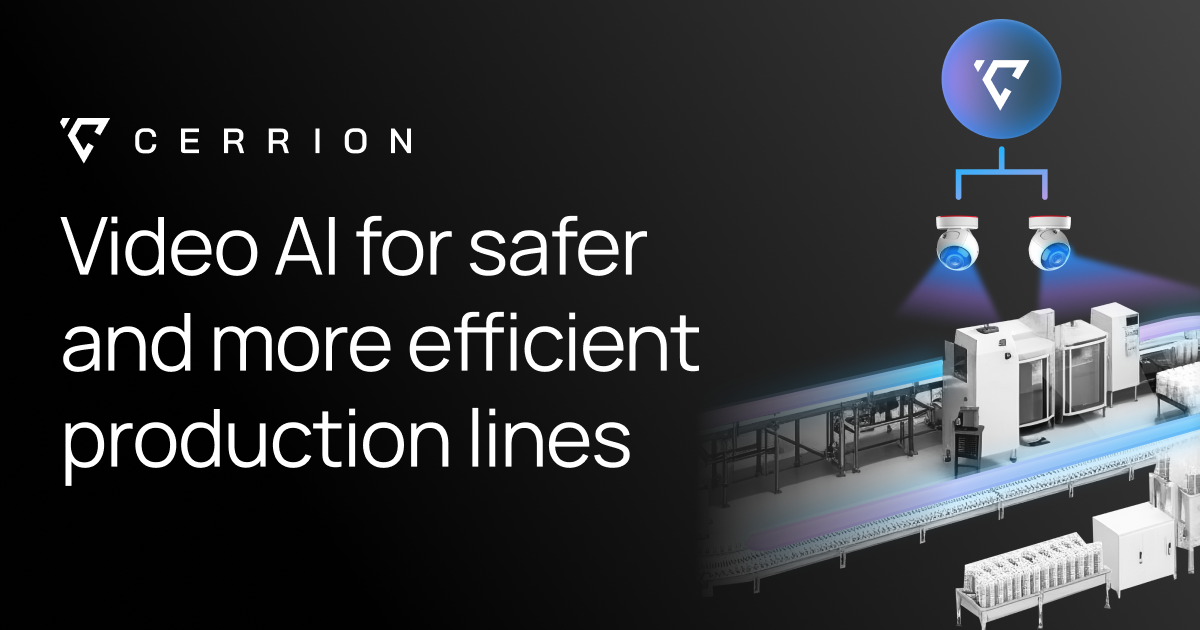
View Intelligent Robotics Solutions providersVideo AI solutions for manufacturing use computer vision to automate quality control and optimize production lines. Discover and compare top-rated providers on the Bilarna platform.
View Video AI for Manufacturing providersYes, automation tools are designed to handle complex multi-page forms effectively. They can reliably navigate through multiple pages, input data accurately, and manage conditional logic or validations that forms may require. This capability reduces the risk of human error and speeds up the completion process. By automating form filling, businesses can ensure consistency and accuracy in data entry, especially when dealing with large volumes of forms or repetitive tasks. This is particularly useful in sectors like healthcare, finance, and insurance where form accuracy is critical.
Yes, financial automation solutions are often modular and customizable to fit the specific needs of different businesses. Organizations can select and adapt only the modules they require, such as accounts payable, accounts receivable, billing, or treasury management, allowing them to scale their automation at their own pace. This flexibility ensures that companies can address their unique operational challenges without unnecessary complexity or cost. Additionally, user-friendly tools and AI capabilities enable teams to maintain compliance and efficiency while tailoring the system to their workflows. Customized onboarding and collaborative support further help businesses get up and running quickly with solutions that match their requirements.
Creating automation workflows for desktop applications typically requires some basic technical skills, mainly the ability to write simple code snippets. However, many modern automation platforms allow users to describe workflows in plain English or natural language, making it easier for those with limited coding experience. The automation engine then interprets these instructions to perform tasks such as opening applications, entering data, or extracting information. This approach lowers the barrier to entry, enabling developers and automation engineers to quickly build and trigger workflows without deep programming knowledge.
No, you generally do not need technical skills to use an AI-based accounting automation tool. These platforms are designed with user-friendly interfaces tailored for accountants and finance teams rather than IT specialists. They often include guided workflows and step-by-step instructions to help users connect their tax portals, configure settings, and review automated data entries. The artificial intelligence component works in the background to classify and suggest accounting data, while users maintain control over final approvals. This approach ensures that even those without technical expertise can efficiently automate invoice processing and improve accuracy.
No, you do not need technical skills to use an AI-based invoice automation tool. These platforms are designed with user-friendly interfaces tailored for accountants and finance teams rather than IT specialists. The software typically guides users step-by-step through the setup and daily operations, making it accessible even for those without a technical background. The artificial intelligence handles complex tasks like data classification and error detection automatically, allowing users to focus on reviewing and approving the processed invoices with confidence.
AI workflow automation in healthcare does not require traditional integration with existing electronic medical record (EMR) systems. Instead of relying on APIs or custom development, AI interacts with EMR software by mimicking human actions such as clicking, typing, and navigating interfaces. This approach allows the AI to work seamlessly with any EMR system or portal, including popular platforms like Epic, Cerner, and athenahealth. As a result, clinics can deploy automation solutions quickly without lengthy IT projects or vendor approvals.
AI and robotics are transforming defense manufacturing and maintenance by enabling faster, more accurate inspections and advanced manufacturing processes. Robotics equipped with AI can perform detailed inspections of critical military hardware, such as aircraft and naval vessels, detecting defects and wear with high precision. This reduces inspection times by up to 90%, improving quality control and accelerating production timelines. AI-driven digital twins and augmented reality technologies facilitate remote inspections and maintenance, enhancing fleet readiness and reducing downtime. These innovations increase operational efficiency, extend asset life, and strengthen national security by ensuring defense infrastructure is maintained with the highest standards.
A modern data preparation platform enhances team collaboration by providing cloud-based sharing of workflows, secrets, and data connections, allowing multiple users to work seamlessly together. It supports version history to prevent data loss and enables easy recovery of previous workflow states. Real-time feedback accelerates development by showing immediate results during workflow creation, reducing trial-and-error cycles. Automation features such as scheduling workflows on local hardware or serverlessly in the cloud streamline repetitive tasks, freeing teams to focus on higher-value analysis. Integration with APIs allows workflows to connect with various systems, enabling end-to-end data process automation. These capabilities collectively foster efficient teamwork and reduce manual effort in data preparation.
Agencies can manage multiple clients' LinkedIn outreach campaigns using automation software by following these steps: 1. Add multiple LinkedIn accounts (senders/seats) for each client within one platform. 2. Automate personalized messaging and connection requests tailored to each client's target audience. 3. Monitor and control campaigns from a single intuitive dashboard for efficiency. 4. Export campaign data for each client separately to analyze performance. 5. Ensure compliance with LinkedIn's terms to protect all client accounts.
AI agents bypass blocks and CAPTCHAs by using advanced proxies and undetectable browsers. 1. Integrate high-quality proxies to mask IP addresses and locations. 2. Use an undetectable browser that mimics real human behavior to avoid detection. 3. The AI handles CAPTCHAs and checkpoints automatically behind the scenes. 4. This ensures workflows complete successfully without interruptions or manual input. Such technology allows seamless automation even on restricted websites.