Step 1
Machine-Ready Briefs
AI translates unstructured needs into a technical, machine-ready project request.
We use cookies to improve your experience and analyze site traffic. You can accept all cookies or only essential ones.
 Bilarna
Stop browsing static lists. Tell Bilarna your specific needs. Our AI translates your words into a structured, machine-ready request and instantly routes it to verified LegalTech Software and Tools experts for accurate quotes.
AI translates unstructured needs into a technical, machine-ready project request.
Compare providers using verified AI Trust Scores & structured capability data.
Skip the cold outreach. Request quotes, book demos, and negotiate directly in chat.
Filter results by specific constraints, budget limits, and integration requirements.
Eliminate risk with our 57-point AI safety check on every provider.
Verified companies you can talk to directly
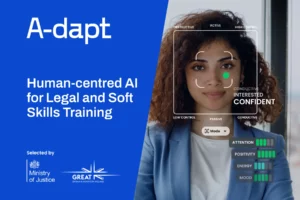
A-dapt is bringing Emotion AI into LegalTech, equipping lawyers with human-centred tools for scalable, privacy-first witness preparation and emotionally intelligent litigation training.
Run a free AEO + signal audit for your domain.
AI Answer Engine Optimization (AEO)
List once. Convert intent from live AI conversations without heavy integration.
Use Emotion AI to enhance witness preparation by following these steps: 1. Integrate Emotion AI tools that analyze emotional responses during witness training. 2. Provide real-time feedback to witnesses to improve their emotional expression and credibility. 3. Ensure privacy-first data handling to protect sensitive information. 4. Scale the training process efficiently using AI-driven insights to prepare multiple witnesses simultaneously. 5. Continuously update training modules based on emotional intelligence analytics to optimize outcomes.
Email marketing platforms often provide integration capabilities with various software tools and services to streamline workflows. Common integrations include developer SDKs like Node.js for easy API access, database services such as Supabase for managing contacts and data, and payment platforms like Stripe to trigger transactional emails. Additionally, platforms support webhooks and connect with automation tools like Zapier, Make, and Segment to synchronize contacts and automate email triggers based on user events. These integrations enable marketers and developers to build personalized, automated email campaigns that fit seamlessly into their existing tech stack.
Integration with CRM and communication tools is crucial in onboarding software because it allows seamless data flow and coordination between different platforms. This connectivity enables automated dynamic launch plans based on real-time customer data, reducing manual input and errors. It also facilitates better communication within success teams and with customers through tools like Slack or email. Integrations help maintain a unified onboarding process, improve visibility into task progress, and enhance resource planning, ultimately leading to a more efficient and personalized customer onboarding experience.
Yes, the platform is designed to be compatible with a variety of popular productivity tools and software. It offers integrations with calendar applications, cloud storage services, and project management tools, allowing users to synchronize data and streamline their workflows. These integrations help reduce manual data entry and improve overall efficiency by enabling seamless communication between different applications. Users can customize their setup to fit their specific needs and enhance their productivity.
HR software can improve employee engagement and well-being by offering tools such as employee loyalty surveys (eNPS), climate and culture assessments, and customizable feedback surveys. These tools help capture honest and confidential employee opinions, enabling organizations to understand workplace sentiment and identify areas for improvement. Automated reporting and insights allow HR teams to act on feedback quickly. Additionally, mobile access to learning content and development plans supports continuous growth, while task and plan management features ensure commitments translate into measurable actions. Together, these tools foster a positive work environment and enhance overall employee satisfaction.
Software teams can use diagramming tools to visually represent system architectures, workflows, and data flows, making complex information easier to understand. By collaborating on these diagrams, teams establish a shared language and context, reducing misunderstandings. Features like commenting, annotations, and version control enable stakeholders to provide feedback and track changes effectively. Interactive views allow different audiences to focus on relevant details, facilitating clearer communication. This collaborative approach supports iterative design, helps capture key architectural decisions, and aligns teams on current and future system states, ultimately improving decision-making and project outcomes.
Yes, AI RFP software typically integrates with a wide range of existing business tools such as CRM platforms, collaboration software, cloud storage services, and knowledge management systems. This seamless integration allows users to leverage their current data sources and workflows without disruption. Regarding security, reputable AI RFP solutions prioritize data protection through measures like end-to-end encryption, compliance with standards such as SOC 2, GDPR, and CCPA, and role-based access controls. Data is never shared with third parties, ensuring confidentiality and compliance with privacy regulations.
Developers can access a variety of AI robotics software and tools designed to enhance robot intelligence. These include open-source toolkits that facilitate robot control, dataset recording, and AI model training. Additionally, there are developer-friendly platforms that support cloud-based AI training and virtual reality teleoperation, enabling faster experimentation and development. Hardware kits with vetted components are also available to help developers start building physical robots. Subscriptions offering advanced features like private modes and dedicated support further assist developers in optimizing their robotics projects.
Yes, AI design engineering tools are designed for seamless integration with existing CAD, BIM, and project management software. This compatibility ensures that engineers can continue using their preferred tools without disrupting established workflows. The integration facilitates data exchange and collaboration, enhancing efficiency and enabling teams to leverage AI capabilities alongside their current systems.
Integrate accounts receivable software by connecting it with your current invoicing and accounting systems. 1. Identify the software compatibility and integration options available. 2. Use APIs or built-in connectors to link the systems seamlessly. 3. Configure data synchronization settings to ensure real-time updates. 4. Test the integration to verify accurate data flow and functionality. 5. Train your finance team to use the integrated system efficiently. This approach maintains your existing workflows while enhancing cash collection capabilities.