Step 1
Machine-Ready Briefs
AI translates unstructured needs into a technical, machine-ready project request.
We use cookies to improve your experience and analyze site traffic. You can accept all cookies or only essential ones.
 Bilarna
Stop browsing static lists. Tell Bilarna your specific needs. Our AI translates your words into a structured, machine-ready request and instantly routes it to verified Digital Payment Platforms experts for accurate quotes.
AI translates unstructured needs into a technical, machine-ready project request.
Compare providers using verified AI Trust Scores & structured capability data.
Skip the cold outreach. Request quotes, book demos, and negotiate directly in chat.
Filter results by specific constraints, budget limits, and integration requirements.
Eliminate risk with our 57-point AI safety check on every provider.
Verified companies you can talk to directly
We make cross-border payments seamless. Join over 110k users sending money to Nigeria, UK, China, and 16+ African countries. Download our app today
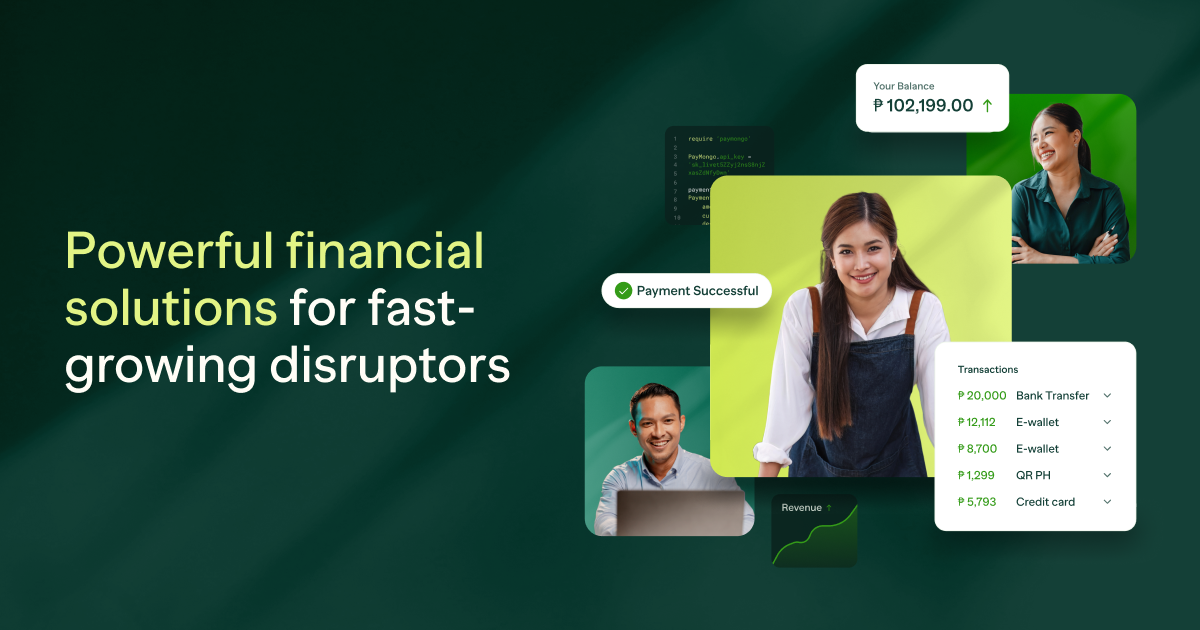
Secure, advanced financial solutions for high-growth businesses and industry disruptors. Offer online or in-store payments, build custom solutions, or unify payment infrastructures.
Design, manufacture, and fulfill physical debit/credit cards. Keep using the issuing stack you <3. We work with them.

Gérez tout votre argent dans une application unique
Pagaloop abre la puerta a la liquidez financiera para los negocios y emprendedores de México. Con esta app puedes utilizar tus tarjetas de crédito para realizar cualquier pago en el momento que sea y mejorar el flujo de caja de tu empresa.
Run a free AEO + signal audit for your domain.
AI Answer Engine Optimization (AEO)
List once. Convert intent from live AI conversations without heavy integration.
Digital payment platforms are integrated software solutions that enable businesses to process, manage, and reconcile electronic transactions securely. They utilize technologies like APIs, tokenization, and encryption to facilitate various payment methods across channels. These platforms are essential for improving cash flow, reducing manual errors, and providing a seamless payment experience for customers and vendors.
The platform connects to your existing ERP, CRM, or e-commerce software via APIs to centralize financial data and automate payment initiation.
It routes payments through encrypted gateways, applying fraud detection and compliance checks while supporting multiple currencies and payment rails.
The system automatically matches transactions with invoices, updates ledgers in real-time, and generates detailed reports for financial oversight.
Platforms unify online and in-person payments, manage subscriptions, and handle global currency conversions to boost checkout conversion rates.
They automate recurring billing, manage dunning for failed payments, and provide self-service portals for customer payment management.
These solutions facilitate secure escrow, instant payouts to multiple sellers, and compliance with financial regulations for platform-mediated transactions.
They streamline bulk invoice processing, enable automated payment terms, and integrate with supply chain finance for improved liquidity.
Providers build custom payment flows, ensure PSD2/strong customer authentication compliance, and offer white-label solutions for embedded finance.
Bilarna evaluates every digital payment platforms provider through a proprietary 57-point AI Trust Score. This analysis scrutinizes technical expertise via architecture reviews, validates reliability through client reference checks and uptime history, and confirms adherence to critical standards like PCI DSS and GDPR. Bilarna's continuous monitoring ensures all listed partners maintain high performance and security postures.
Costs vary significantly based on transaction volume, features, and customization. They typically include setup fees, a monthly SaaS subscription, and a per-transaction processing fee, which can range from 0.2% to 2.5% plus a fixed amount. Enterprise contracts often involve negotiated pricing based on annual committed volume.
Yes, digital marketing strategies are highly effective for local businesses when tailored to target audiences in specific geographic areas. Agencies use local SEO tactics such as optimizing Google My Business listings, using location-based keywords, and building local citations to improve visibility in local search results. Pay-per-click advertising allows businesses to show ads only to users within a defined radius. Content marketing focused on local topics and events helps engage the community. Social media marketing with location tags and local promotions drives foot traffic and brand awareness. Email marketing segmented by location can nurture local leads. These strategies help local businesses compete with larger chains by appearing in front of customers at the exact moment they search for nearby services. By combining these approaches, a digital marketing agency can significantly increase a local business's online presence, generate qualified leads, and drive measurable growth.
The safety and regulation of online casino platforms depend entirely on their licensing jurisdiction and the security measures they implement. Legitimate platforms hold licenses from recognized authorities such as the Malta Gaming Authority, UK Gambling Commission, or Curacao eGaming and must comply with strict standards for fair play, data protection, and anti-money laundering. They use SSL encryption to safeguard financial transactions and personal information, and their games are regularly audited by independent testing agencies like eCOGRA or iTech Labs for randomness. Before registering, verify the license number displayed at the footer of the website and check it against the regulator’s official database. Reliable platforms also promote responsible gambling by offering deposit limits, self-exclusion tools, and links to support organizations. However, unlicensed or black-market sites pose significant risks including unfair games, non-payment of winnings, and data fraud. Always choose platforms with transparent ownership, positive user reviews, and clear dispute resolution procedures to ensure a safe gaming experience.
Yes, payment plans are commonly available for purchasing a domain name. Many sellers offer zero percent financing, allowing you to spread the cost over several months, typically up to 12 or even 24 months. This makes it possible to acquire high-value domain names without the strain of a large upfront payment. However, there are important conditions: domains bought on a payment plan cannot be transferred to another registrar until all payments are completed. Also, full ownership and immediate domain access may be delayed until the plan is fulfilled. Always review the specific terms, including monthly amounts, duration, and any early payoff options, before committing to a payment plan.
Yes, many domain marketplaces offer payment plans for purchasing premium domain names. Instead of paying the full price upfront, buyers can spread the cost over several months, typically up to 12 or 24 months. For example, a domain priced at $2,295 might be available for monthly payments of around $95.63 over 24 months. The domain is delivered immediately upon starting the plan, but it remains locked and cannot be transferred to another registrar until all payments are completed. If the buyer defaults, the domain may be repossessed. Payment plans often come with zero percent financing, making them an attractive option for businesses that want to secure a domain without a large initial investment. Buyers should review the terms carefully before committing.
Yes, payment plans are commonly available for purchasing premium domain names, allowing buyers to pay in installments over time. These plans often span 12 to 24 months with monthly payments, and some sellers offer zero percent financing to make high-value domains more accessible. When using a payment plan, the domain is typically held by the seller until all payments are completed, and transfers to other registrars are restricted during this period. Buyers should review the terms carefully, as early repayment options or fees may apply. Payment plans democratize access to expensive domains by reducing upfront costs, but they require commitment to the full payment schedule.
Yes, payment plans are commonly available when buying premium domain names from specialized marketplaces. These plans allow buyers to spread the cost over time, typically offering terms from 12 to 24 months with monthly installments. A key feature is that these are often interest-free financing options, making high-value domains more accessible. The domain is usually held by the seller until the final payment is made, after which full ownership and the ability to transfer it to another registrar are granted. It's important to review the specific terms, as domains purchased on payment plans are generally not eligible for transfer until all payments are completed, and the money-back guarantee may have different conditions during the payment period.
To understand data upload limits and payment requirements on analytics platforms, follow these steps: 1. Review the platform's account types, such as free and paid plans. 2. Check the data upload limits for each plan; free accounts often have row limits per upload. 3. Determine if a credit card is required for free or paid accounts. 4. Understand the cancellation policy for paid subscriptions, which usually allows cancellation at any time.
Many shared payment apps for flatmates aim to provide transparent pricing with no hidden fees. Typically, these apps allow users to split expenses, automate payments, and track spending without charging extra fees for basic services. However, some platforms may have optional premium features or transaction fees depending on the payment method or currency conversion. It's important to review the app's terms and conditions carefully to understand any potential charges. Choosing an app that clearly states its fee structure helps avoid unexpected costs and ensures a smooth experience managing shared expenses.
When using a digital Visa card linked to your wallet for spending or sending USD internationally, you typically avoid foreign exchange fees and IOF taxes. This means you can make purchases or send money abroad without hidden costs, keeping more of your funds intact. The card supports global acceptance and works with digital payment platforms like Apple Pay and Google Pay, providing a convenient and cost-effective way to manage your USD spending worldwide.
When using a digital Visa card linked to your wallet for spending or sending USD internationally, you typically avoid common fees such as IOF (Brazilian tax on financial operations) and foreign exchange fees. This means you can make purchases or send money abroad without hidden charges or unfavorable exchange rate spreads. The card allows you to spend in USD globally with no additional costs, making international transactions more cost-effective and transparent. However, always check the specific terms of your card issuer for any applicable fees.