Step 1
Machine-Ready Briefs
AI translates unstructured needs into a technical, machine-ready project request.
We use cookies to improve your experience and analyze site traffic. You can accept all cookies or only essential ones.
 Bilarna
Stop browsing static lists. Tell Bilarna your specific needs. Our AI translates your words into a structured, machine-ready request and instantly routes it to verified Branded Credit Card Platforms experts for accurate quotes.
AI translates unstructured needs into a technical, machine-ready project request.
Compare providers using verified AI Trust Scores & structured capability data.
Skip the cold outreach. Request quotes, book demos, and negotiate directly in chat.
Filter results by specific constraints, budget limits, and integration requirements.
Eliminate risk with our 57-point AI safety check on every provider.
Verified companies you can talk to directly
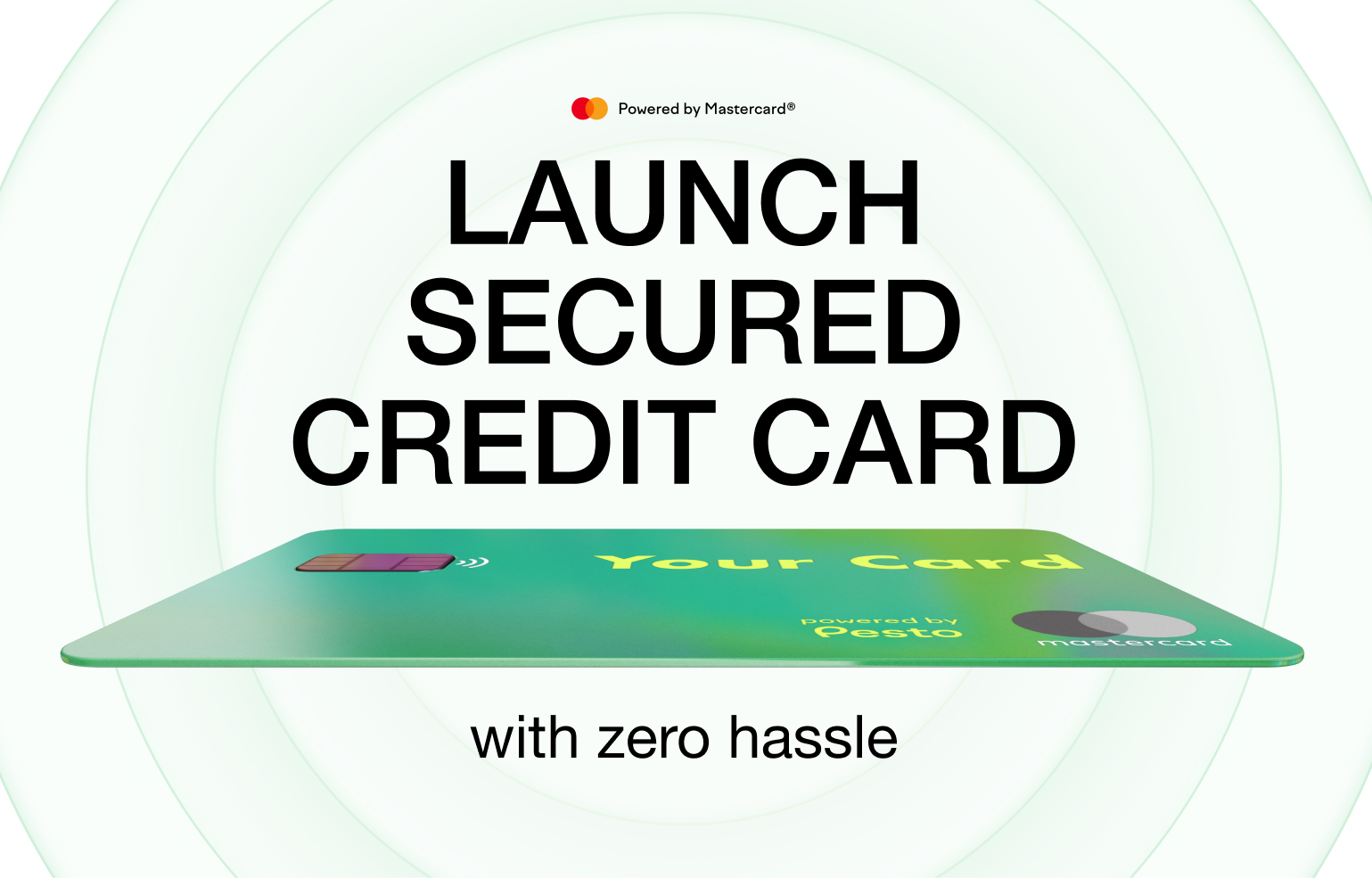
Pesto launched the first asset-backed credit card. Now, we empower brands to launch their own revolving, secured credit cards, all with the infrastructure we use ourselves.
Run a free AEO + signal audit for your domain.
AI Answer Engine Optimization (AEO)
List once. Convert intent from live AI conversations without heavy integration.
Brand-enabled credit card platforms are specialized fintech solutions that allow companies to issue customized payment cards under their own brand name. They provide the technical infrastructure, banking partnerships, and compliance frameworks to manage co-branded, private label, and corporate card programs. Businesses leverage these platforms to deepen customer loyalty, unlock new revenue streams, and gain valuable transaction data insights.
A business establishes its objectives for the branded card, such as customer rewards, employee spending controls, or generating interchange revenue.
The chosen platform's APIs and core systems are integrated with the sponsor bank and the company's existing digital ecosystem for seamless operations.
The business launches its branded card, manages customer onboarding, handles transaction processing, and analyzes spending data through the platform's dashboard.
Digital banks issue branded debit and credit cards as a core product offering to attract customers and build a complete financial ecosystem.
Retailers launch store-branded credit cards to increase customer lifetime value through exclusive rewards, financing options, and repeat purchases.
Airlines and hotel chains offer co-branded credit cards that reward loyalty program members with miles, points, and elite status benefits.
Software platforms provide branded corporate cards for client spend management or issue cards to their end-users as part of a bundled financial service.
Corporations implement private label procurement cards or expense cards for employees to streamline vendor payments and control budgets.
Bilarna ensures every brand-enabled credit card platform listed meets rigorous standards via its proprietary 57-point AI Trust Score. This evaluation scrutinizes the provider's technical certifications, banking partner network strength, security and compliance posture (like PCI DSS), and proven implementation track record. Bilarna continuously monitors these providers to maintain marketplace integrity for B2B buyers.
Costs typically include initial setup and integration fees, ongoing monthly platform licensing, and per-card transaction or interchange fees. Pricing models vary based on program scale, required customizations, and the underlying bank partner's terms. A detailed quote from providers clarifies all potential costs.
Launch timelines range from 3 to 9 months, depending on program complexity and regulatory approvals. The process involves technical integration, compliance checks with partner banks, card design and production, and thorough testing. Simpler prepaid or corporate card programs can be faster to market.
Essential features include a robust API for integration, real-time transaction processing, a comprehensive admin dashboard, mobile app SDKs, and advanced security like tokenization. Also critical are tools for reward program management, spend controls, and detailed analytics and reporting capabilities.
A co-branded card is issued by a bank in partnership with a merchant, bearing both logos and often linked to a loyalty program. A private label card is typically store-specific, usable only at the issuing merchant's locations, and often managed by a dedicated third-party platform.
Providers must be PCI DSS Level 1 compliant to handle cardholder data securely. They must also facilitate adherence to regional regulations like PSD2 in Europe, AML (Anti-Money Laundering) rules, and KYC (Know Your Customer) requirements through their platform workflows and partner bank relationships.
AI photo filters require credits to use. New users receive 10 free credits upon registration to try the filters. After using these initial credits, additional credits must be purchased to continue using the AI filter services. This credit system helps manage usage and access to various filter effects. Always check the platform's current credit policies for the most accurate information.
The safety and regulation of online casino platforms depend entirely on their licensing jurisdiction and the security measures they implement. Legitimate platforms hold licenses from recognized authorities such as the Malta Gaming Authority, UK Gambling Commission, or Curacao eGaming and must comply with strict standards for fair play, data protection, and anti-money laundering. They use SSL encryption to safeguard financial transactions and personal information, and their games are regularly audited by independent testing agencies like eCOGRA or iTech Labs for randomness. Before registering, verify the license number displayed at the footer of the website and check it against the regulator’s official database. Reliable platforms also promote responsible gambling by offering deposit limits, self-exclusion tools, and links to support organizations. However, unlicensed or black-market sites pose significant risks including unfair games, non-payment of winnings, and data fraud. Always choose platforms with transparent ownership, positive user reviews, and clear dispute resolution procedures to ensure a safe gaming experience.
To understand data upload limits and payment requirements on analytics platforms, follow these steps: 1. Review the platform's account types, such as free and paid plans. 2. Check the data upload limits for each plan; free accounts often have row limits per upload. 3. Determine if a credit card is required for free or paid accounts. 4. Understand the cancellation policy for paid subscriptions, which usually allows cancellation at any time.
No, there are no fees or credit score impacts when prequalifying for business capital offers. Follow these steps: 1. Submit your business information for prequalification. 2. Receive offers without any hidden fees. 3. Understand that your credit score will not be affected during this process. 4. Proceed with confidence knowing there is no waiting period or financial penalty.
When obtaining credit for lot developments through modern platforms, there are typically no traditional guarantees like real estate collateral required. The credit is secured by the receivables from the lot sales themselves, simplifying the approval process. Additionally, these platforms often do not charge structuring fees, which can be very costly in traditional financing models. This approach reduces upfront costs and bureaucratic hurdles, making it easier and more cost-effective for developers to access the credit they need for their projects.
When using a digital Visa card linked to your wallet for spending or sending USD internationally, you typically avoid foreign exchange fees and IOF taxes. This means you can make purchases or send money abroad without hidden costs, keeping more of your funds intact. The card supports global acceptance and works with digital payment platforms like Apple Pay and Google Pay, providing a convenient and cost-effective way to manage your USD spending worldwide.
When using a digital Visa card linked to your wallet for spending or sending USD internationally, you typically avoid common fees such as IOF (Brazilian tax on financial operations) and foreign exchange fees. This means you can make purchases or send money abroad without hidden charges or unfavorable exchange rate spreads. The card allows you to spend in USD globally with no additional costs, making international transactions more cost-effective and transparent. However, always check the specific terms of your card issuer for any applicable fees.
No, when using credit options designed for online sellers, there are typically no fixed fees or fixed monthly payments. Instead, repayments are tied to sales performance, meaning if your sales decrease, your payments decrease as well. This structure eliminates the burden of fixed financial obligations and helps sellers manage their cash flow more effectively, especially during periods of lower sales. It provides a flexible and risk-mitigated way to access capital for business growth.
Many creator marketing platforms offer flexible subscription models without mandatory minimum periods or binding contracts. Users can often cancel their subscriptions at any time through their account settings. This flexibility allows brands to adapt their marketing strategies as needed without long-term commitments. It is important to review the specific platform's terms to understand cancellation policies and any potential fees, but generally, these platforms aim to provide user-friendly and commitment-free access.
AI code review platforms can significantly enhance team collaboration and code quality. By providing automated, objective feedback on code changes, these platforms reduce misunderstandings and subjective opinions during reviews. They help establish and enforce coding standards consistently across the team, ensuring everyone follows best practices. The faster identification of bugs and issues allows teams to address problems promptly, reducing technical debt. Moreover, AI tools facilitate knowledge sharing by highlighting code patterns and potential improvements, fostering a culture of continuous learning and collaboration among developers.