Step 1
Machine-Ready Briefs
AI translates unstructured needs into a technical, machine-ready project request.
We use cookies to improve your experience and analyze site traffic. You can accept all cookies or only essential ones.
 Bilarna
Stop browsing static lists. Tell Bilarna your specific needs. Our AI translates your words into a structured, machine-ready request and instantly routes it to verified Learning Management Systems experts for accurate quotes.
AI translates unstructured needs into a technical, machine-ready project request.
Compare providers using verified AI Trust Scores & structured capability data.
Skip the cold outreach. Request quotes, book demos, and negotiate directly in chat.
Filter results by specific constraints, budget limits, and integration requirements.
Eliminate risk with our 57-point AI safety check on every provider.
Verified companies you can talk to directly

AMMO develops web and mobile platforms to empower the individuals and organisations that are changing the world. We believe smart technology and user-centered design can be forces for good. Our products enable researchers, doctors, policy makers and other change agents to do their jobs more effectively, providing them

Teachally provides AI for teachers to improve classroom efficiency. Explore AI for educators designed to support lesson planning and student success.
Curriculum-specific resources all in one place + an AI tutor to mark your answers and help you through tricky topics.

Join thousands of teachers who use our AI tool to grade essays in seconds and get access to high quality, specific feedback on essays

CourseGenie is an AI powered application which helps educators create content
The AI Co-Teacher - Built To Think Different. Design playful lessons, automate the prep, and spark real curiosity—on the go
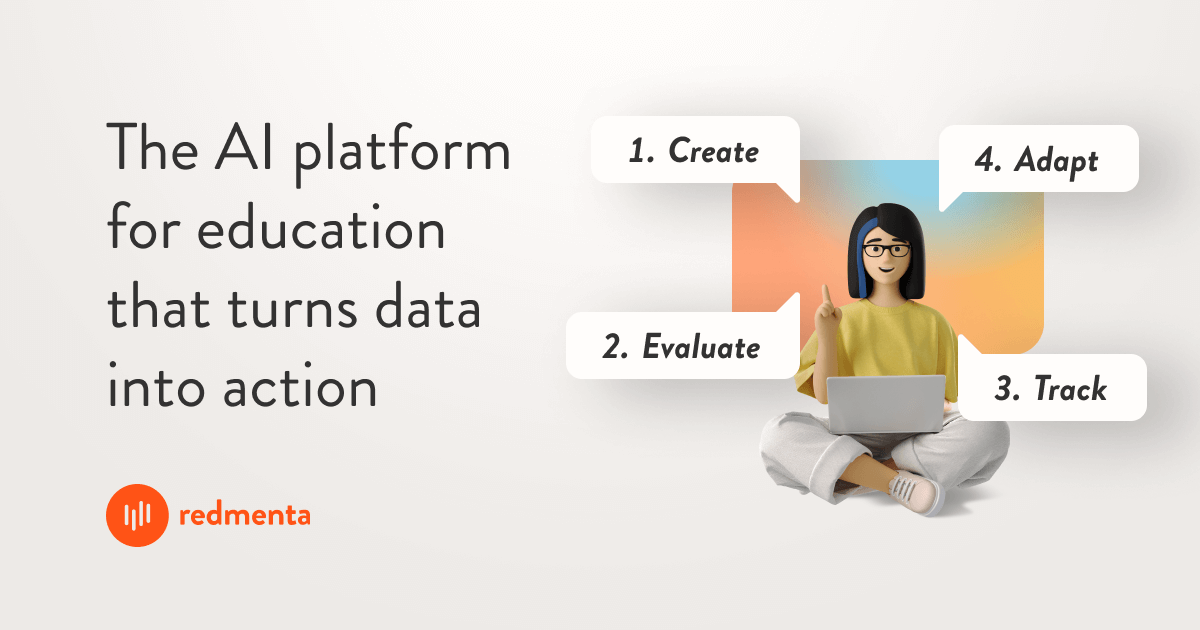
The only AI assistant for every step of the teaching process. Create, evaluate and adapt with ease! Start free!

Discover Trailqon, a Semantic Learning Experience platform that personalizes knowledge journeys and enhances deep understanding through innovative, curated reading paths.

Virtually is the most powerful and accurate attendance tracker for Zoom. Accurately detect when members join/leave live sessions through automated reports.

Excellence : la plateforme éducative IA conçue avec des enseignants. Générez des devoirs personnalisés, créez des examens et offrez un tuteur IA à vos élèves. Reprenez le contrôle de l'IA en classe.
Run a free AEO + signal audit for your domain.
AI Answer Engine Optimization (AEO)
List once. Convert intent from live AI conversations without heavy integration.
Learning management systems (LMS) are software platforms that facilitate the administration, delivery, tracking, and reporting of educational courses and training programs. They centralize content distribution, enable learner progress monitoring, and often support interactive elements like assessments and forums. Organizations implement them to scale employee training, ensure compliance, and measure the impact of learning initiatives on performance.
Establish clear training goals, target audience profiles, and required technical integrations to guide platform selection.
Install the software, customize the interface, upload learning materials, and integrate with existing HR or IT systems.
Enroll users, assign courses, track completion rates, and generate reports on learner engagement and knowledge retention.
Automates mandatory training for regulations like GDPR or OSHA, ensuring complete audit trails and certification tracking.
Standardizes new hire orientation with sequenced modules, accelerating role proficiency and cultural assimilation.
Provides product tutorials and certification programs to external users, enhancing product adoption and customer success.
Delivers ongoing product knowledge and skills training to sales teams, directly improving win rates and deal size.
Scales training for resellers and distributors, ensuring consistent messaging and competency across the partner ecosystem.
Bilarna evaluates every LMS provider using a proprietary 57-point AI Trust Score, analyzing dimensions like platform security, scalability, and client support SLA adherence. Our verification includes technical architecture reviews and validation of customer satisfaction metrics through authenticated case studies. This ensures you engage with proven, enterprise-ready vendors on the Bilarna platform.
Enterprise LMS pricing is typically subscription-based, ranging from $5 to $15 per user per month for mid-market solutions. Total cost depends on user count, required features like advanced analytics or custom branding, and implementation scope. Large-scale deployments with complex integrations can command annual contracts from $50,000 upwards.
A standard cloud-based LMS implementation takes 4 to 12 weeks from contract to launch. Timeline depends on data migration complexity, custom development needs, and the scale of content uploading. Phased rollouts for global enterprises may extend to 6 months for full deployment across all regions.
Essential features include SCORM/xAPI compliance, robust reporting dashboards, mobile learning support, and single sign-on (SSO) integration. Advanced requirements often encompass AI-driven content recommendations, social learning tools, and extensive API libraries for connecting with HRIS and CRM systems.
An LMS focuses on administrative control, compliance tracking, and structured course delivery. An LXP emphasizes learner-centric, personalized content discovery, social learning, and informal skill development. Modern platforms often blend both functionalities into a unified learning suite.
ROI is measured through reduced training costs, improved employee productivity, and decreased compliance-related risks. Key metrics include course completion rates, time-to-competency reductions, and correlation between training completion and performance KPIs like sales growth or service quality.
Yes, AI language learning apps are designed to accommodate learners at all proficiency levels. Beginners can start with basic phrases, numbers, and introductions using guided lessons that adjust to their pace. Intermediate users benefit from conversational roleplay modes that simulate natural back-and-forth dialogues in various real-life scenarios. Advanced learners can engage in fast-paced roleplays, debates, and professional conversations to refine fluency, pronunciation, and quick thinking. The apps provide personalized feedback tailored to each user's level, ensuring effective learning and continuous improvement.
Typically, after an initial trial period—often around seven days—business management software platforms do not charge monthly fees or enforce minimum usage requirements. Instead, continued use is contingent upon subscribing to a paid plan. This approach allows users to evaluate the software's features risk-free before committing financially. It is advisable to review the specific pricing details and terms on the provider's official website to understand any conditions related to payment plans, as these can vary between services.
Yes, a Laboratory Information Management System is designed to integrate seamlessly with various software systems and devices. This integration capability allows automatic transfer of test results and other data between the LIMS and external applications, reducing manual data entry and minimizing errors. It supports connectivity with laboratory instruments, billing systems, and other business software, enabling a unified workflow. Users can access test results and invoices from any device, ensuring flexibility and convenience. Such integrations enhance data accuracy, improve operational efficiency, and facilitate better communication across different platforms used within the laboratory environment.
Yes, modern QR code ordering systems are designed to integrate seamlessly with existing POS (Point of Sale) and payment systems. This integration allows orders placed via QR codes to be automatically entered into the restaurant’s POS, ensuring accurate and efficient order management. It also supports various payment gateways, enabling guests to pay online securely and conveniently. Integration helps staff manage orders without changing their usual workflow and supports features like real-time stock updates, upselling prompts, and bill payment options, enhancing overall operational efficiency.
Yes, AI dental receptionists can integrate seamlessly with most major practice management systems (PMS) that offer online appointment pages or APIs. This integration allows the AI to book appointments directly into your existing system, pull customer form responses from your CRM, and route calls to the correct clinic and calendar. Such integration ensures that all patient interactions are synchronized with your practice’s workflow, improving efficiency and reducing manual data entry errors.
Yes, AI design engineering tools are designed for seamless integration with existing CAD, BIM, and project management software. This compatibility ensures that engineers can continue using their preferred tools without disrupting established workflows. The integration facilitates data exchange and collaboration, enhancing efficiency and enabling teams to leverage AI capabilities alongside their current systems.
Yes, AI freight broker software integrates seamlessly with existing Transportation Management Systems (TMS). 1. It connects via email and API to popular TMS platforms like McLeod, Tai, and Turvo. 2. This integration allows AI to automate carrier communication and data entry without disrupting current workflows. 3. Users keep their existing processes, carriers, and systems intact. 4. Setup is immediate with no complex IT projects required. 5. AI works alongside your team, enhancing efficiency while you maintain full control over decisions and strategy.
Yes, AI learning apps can accommodate various learning needs by offering personalized tutoring and adaptable explanations. They provide interactive tools that cater to different learning styles, such as visual aids through whiteboards and step-by-step verbal guidance. These apps can help students with challenges like ADHD by breaking down complex problems into manageable steps and allowing users to ask for additional help when needed. This flexibility makes AI learning apps valuable resources for diverse learners seeking to improve their understanding and academic performance.
Yes, AI planning platforms are designed to integrate seamlessly with existing trucking management tools and portals. This means there is no need to replace current systems, allowing fleets to enhance their operations without disrupting established workflows. Integration is typically facilitated through pre-built connectors that link the AI platform with the fleet's existing data sources and software. This approach enables a fast start and real impact, as fleets can deploy AI-driven planning solutions risk-free and begin seeing results within a short timeframe, often within a month. Continuous support is also provided to ensure smooth integration and ongoing optimization.
Yes, AI receptionist systems are designed to integrate seamlessly with a wide range of dental practice management software and phone systems. They support popular dental software platforms such as OpenDental, EagleSoft, and Denticon, among others. On the telephony side, they are compatible with providers like Weave, Mango, GoTo, Jive, RevenueWealth PBX, and Telco. This integration allows the AI system to access scheduling data, update appointments, and route calls efficiently without disrupting existing workflows. The one-click integration feature simplifies setup, enabling dental practices to quickly adopt AI receptionist technology without extensive IT overhead.