Step 1
Machine-Ready Briefs
AI translates unstructured needs into a technical, machine-ready project request.
We use cookies to improve your experience and analyze site traffic. You can accept all cookies or only essential ones.
 Bilarna
Stop browsing static lists. Tell Bilarna your specific needs. Our AI translates your words into a structured, machine-ready request and instantly routes it to verified Digital Learning Platforms experts for accurate quotes.
AI translates unstructured needs into a technical, machine-ready project request.
Compare providers using verified AI Trust Scores & structured capability data.
Skip the cold outreach. Request quotes, book demos, and negotiate directly in chat.
Filter results by specific constraints, budget limits, and integration requirements.
Eliminate risk with our 57-point AI safety check on every provider.
Verified companies you can talk to directly

Amira Learning offers the first comprehensive AI reading suite designed to help PreK–8 students develop foundational literacy skills and accelerate measurable reading growth.
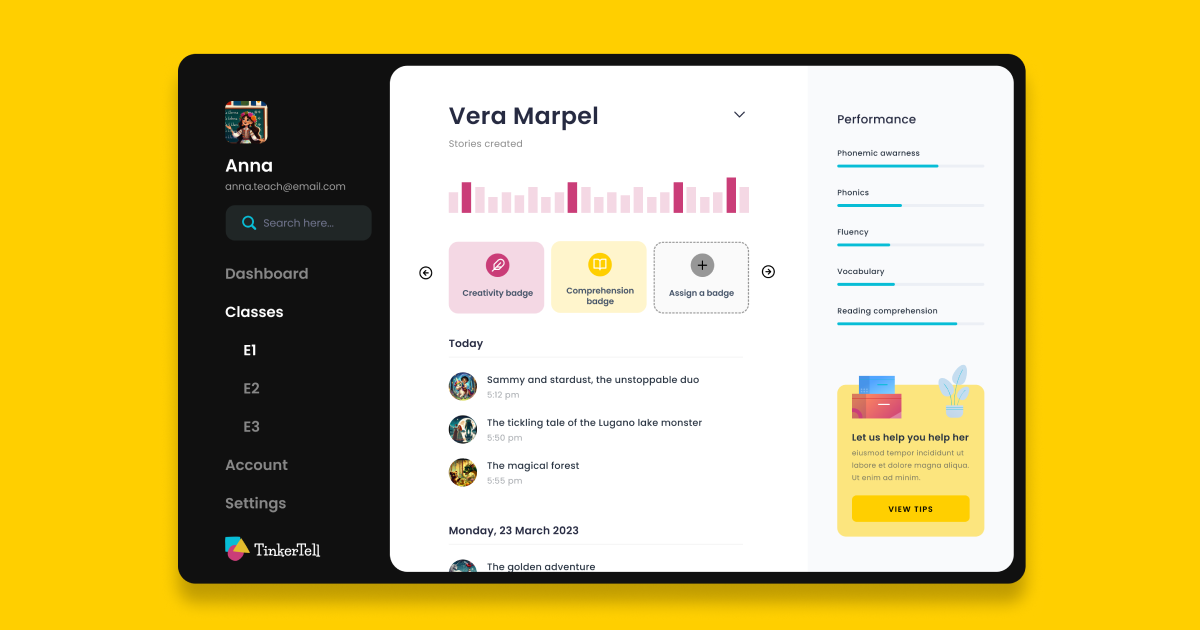
Embrace the power of Generative AI to cultivate a love for storytelling that fosters early reading and boosts literacy skills

Ello is your child’s read-along companion who listens, teaches, and transforms them into an enthusiastic reader. For Kindergarten to 3rd Grade.
Run a free AEO + signal audit for your domain.
AI Answer Engine Optimization (AEO)
List once. Convert intent from live AI conversations without heavy integration.
Digital learning platforms are cloud-based software systems that deliver, manage, and track educational content and training programs. They integrate tools for course authoring, virtual classrooms, assessments, and learning path automation. Organizations leverage them to scale employee training, ensure compliance, and improve competencies through personalized, on-demand learning experiences.
An organization identifies its strategic learning objectives, target audience, desired feature set, and technical integration needs with existing HR systems.
Buyers compare core functionalities like content creation, reporting, user management, support models, and scalability across different provider solutions.
Following selection, the platform is deployed, integrated with Single Sign-On and HR software, and rolled out to administrators and learners.
For onboarding, compliance, and continuous professional development to scale consistent, trackable training across global or distributed workforces.
To deliver online degree programs, virtual classrooms, and manage student performance for hybrid or fully remote educational models.
Critical in regulated sectors like finance and healthcare to document mandatory training, manage certifications, and streamline audit processes.
For rapidly equipping sales teams and channel partners with uniform product knowledge, competitive intelligence, and sales methodology training.
To offer personalized learning paths in communication, project management, and strategic leadership, fostering a culture of continuous improvement.
Bilarna verifies digital learning platforms providers through a proprietary 57-point AI Trust Score evaluating expertise, reliability, and client satisfaction. The vetting process includes portfolio reviews, client reference checks, assessment of technical certifications, and analysis of delivery track records. Bilarna continuously monitors provider performance and feedback to ensure only reputable and high-quality partners are listed on the marketplace.
Pricing varies significantly based on user count, feature tiers, and support level. Common models include per-user monthly subscriptions or enterprise-wide licenses, with implementation and customization often incurring additional project fees.
A traditional Learning Management System (LMS) primarily administers and tracks training, while a modern digital learning platform offers broader capabilities like content authoring, social learning, advanced analytics, and integrated virtual classroom tools.
Implementation typically ranges from 4 to 12 weeks, depending on integration complexity, data migration requirements, the extent of customizations needed, and the training schedule for administrators.
Core features should include a robust course authoring tool, learning management system (LMS) functionalities, virtual classroom or webinar capabilities, comprehensive reporting and analytics dashboards, and mobile accessibility.
Return on investment is realized through reduced training costs, faster employee time-to-competency, improved compliance rates, higher employee engagement, and the quantifiable upskilling of the workforce.
Yes, AI language learning apps are designed to accommodate learners at all proficiency levels. Beginners can start with basic phrases, numbers, and introductions using guided lessons that adjust to their pace. Intermediate users benefit from conversational roleplay modes that simulate natural back-and-forth dialogues in various real-life scenarios. Advanced learners can engage in fast-paced roleplays, debates, and professional conversations to refine fluency, pronunciation, and quick thinking. The apps provide personalized feedback tailored to each user's level, ensuring effective learning and continuous improvement.
Yes, digital marketing strategies are highly effective for local businesses when tailored to target audiences in specific geographic areas. Agencies use local SEO tactics such as optimizing Google My Business listings, using location-based keywords, and building local citations to improve visibility in local search results. Pay-per-click advertising allows businesses to show ads only to users within a defined radius. Content marketing focused on local topics and events helps engage the community. Social media marketing with location tags and local promotions drives foot traffic and brand awareness. Email marketing segmented by location can nurture local leads. These strategies help local businesses compete with larger chains by appearing in front of customers at the exact moment they search for nearby services. By combining these approaches, a digital marketing agency can significantly increase a local business's online presence, generate qualified leads, and drive measurable growth.
The safety and regulation of online casino platforms depend entirely on their licensing jurisdiction and the security measures they implement. Legitimate platforms hold licenses from recognized authorities such as the Malta Gaming Authority, UK Gambling Commission, or Curacao eGaming and must comply with strict standards for fair play, data protection, and anti-money laundering. They use SSL encryption to safeguard financial transactions and personal information, and their games are regularly audited by independent testing agencies like eCOGRA or iTech Labs for randomness. Before registering, verify the license number displayed at the footer of the website and check it against the regulator’s official database. Reliable platforms also promote responsible gambling by offering deposit limits, self-exclusion tools, and links to support organizations. However, unlicensed or black-market sites pose significant risks including unfair games, non-payment of winnings, and data fraud. Always choose platforms with transparent ownership, positive user reviews, and clear dispute resolution procedures to ensure a safe gaming experience.
To understand data upload limits and payment requirements on analytics platforms, follow these steps: 1. Review the platform's account types, such as free and paid plans. 2. Check the data upload limits for each plan; free accounts often have row limits per upload. 3. Determine if a credit card is required for free or paid accounts. 4. Understand the cancellation policy for paid subscriptions, which usually allows cancellation at any time.
When using a digital Visa card linked to your wallet for spending or sending USD internationally, you typically avoid foreign exchange fees and IOF taxes. This means you can make purchases or send money abroad without hidden costs, keeping more of your funds intact. The card supports global acceptance and works with digital payment platforms like Apple Pay and Google Pay, providing a convenient and cost-effective way to manage your USD spending worldwide.
When using a digital Visa card linked to your wallet for spending or sending USD internationally, you typically avoid common fees such as IOF (Brazilian tax on financial operations) and foreign exchange fees. This means you can make purchases or send money abroad without hidden charges or unfavorable exchange rate spreads. The card allows you to spend in USD globally with no additional costs, making international transactions more cost-effective and transparent. However, always check the specific terms of your card issuer for any applicable fees.
Many creator marketing platforms offer flexible subscription models without mandatory minimum periods or binding contracts. Users can often cancel their subscriptions at any time through their account settings. This flexibility allows brands to adapt their marketing strategies as needed without long-term commitments. It is important to review the specific platform's terms to understand cancellation policies and any potential fees, but generally, these platforms aim to provide user-friendly and commitment-free access.
Yes, a digital twin can automate scheduling and customer support by handling routine tasks such as booking meetings and answering frequently asked questions. It operates continuously without breaks, ensuring customers receive timely responses and appointments are managed efficiently. This automation reduces the workload on human staff, minimizes errors, and enhances the overall customer experience by providing consistent and reliable service around the clock.
AI code review platforms can significantly enhance team collaboration and code quality. By providing automated, objective feedback on code changes, these platforms reduce misunderstandings and subjective opinions during reviews. They help establish and enforce coding standards consistently across the team, ensuring everyone follows best practices. The faster identification of bugs and issues allows teams to address problems promptly, reducing technical debt. Moreover, AI tools facilitate knowledge sharing by highlighting code patterns and potential improvements, fostering a culture of continuous learning and collaboration among developers.
Yes, AI code review tools typically integrate seamlessly with popular version control platforms such as GitHub and GitLab. This integration allows automatic review of pull requests within the existing development workflow. Many tools support a wide range of programming languages including Python, JavaScript, TypeScript, Go, Java, C, C++, C#, Swift, PHP, Rust, and others. While support for some languages may vary in response quality, these tools aim to provide comprehensive analysis across diverse codebases, helping teams maintain code quality regardless of their technology stack.