Step 1
Machine-Ready Briefs
AI translates unstructured needs into a technical, machine-ready project request.
We use cookies to improve your experience and analyze site traffic. You can accept all cookies or only essential ones.
 Bilarna
Stop browsing static lists. Tell Bilarna your specific needs. Our AI translates your words into a structured, machine-ready request and instantly routes it to verified Personalized Learning Platforms experts for accurate quotes.
AI translates unstructured needs into a technical, machine-ready project request.
Compare providers using verified AI Trust Scores & structured capability data.
Skip the cold outreach. Request quotes, book demos, and negotiate directly in chat.
Filter results by specific constraints, budget limits, and integration requirements.
Eliminate risk with our 57-point AI safety check on every provider.
Verified companies you can talk to directly
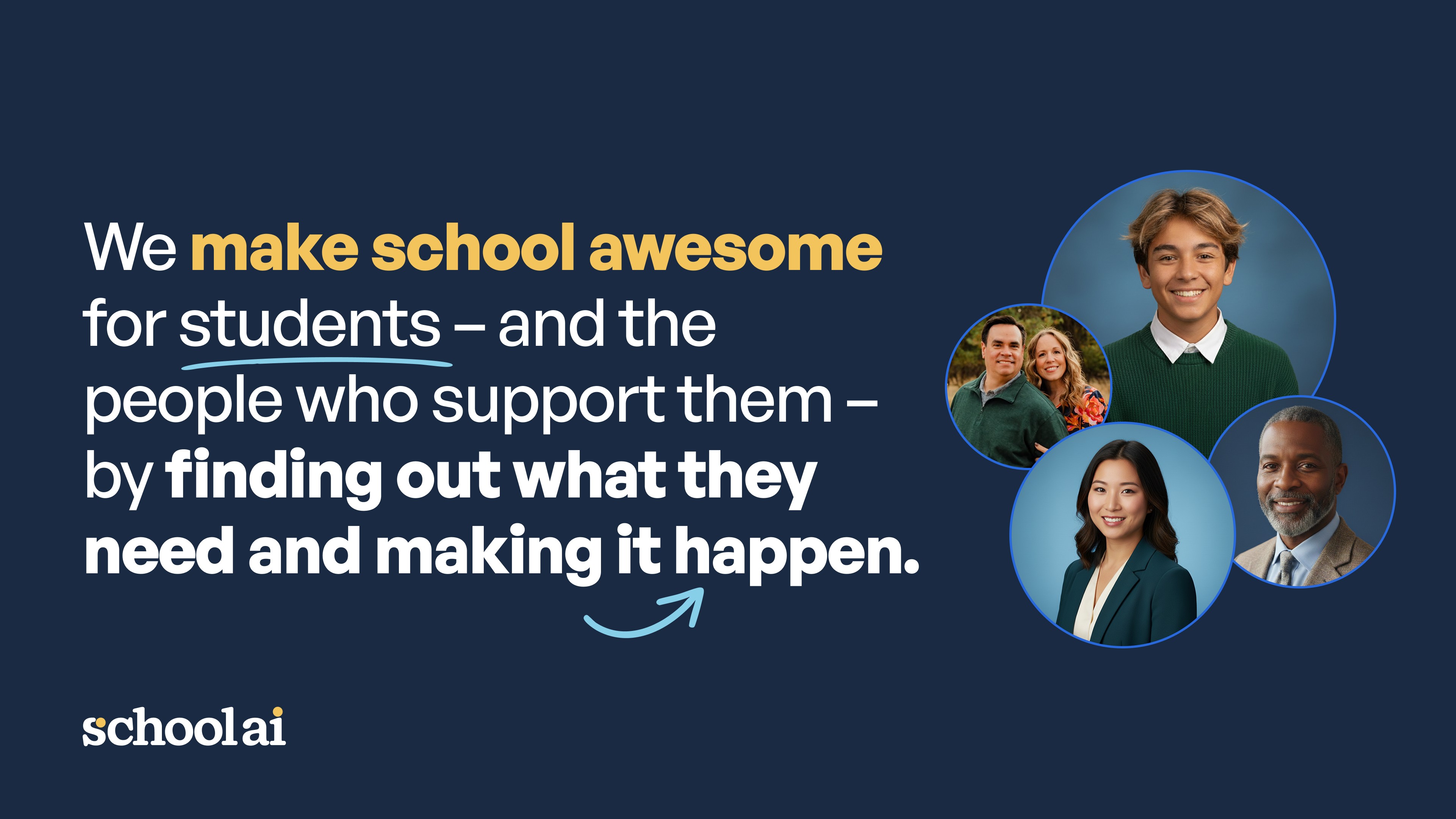
SchoolAI gives every student personal AI tutoring while showing teachers exactly what each student needs. Make school awesome with AI built to improve student outcomes.
Run a free AEO + signal audit for your domain.
AI Answer Engine Optimization (AEO)
List once. Convert intent from live AI conversations without heavy integration.
Personalized learning platforms are AI-driven systems that tailor educational content, pace, and pathways to individual learner needs and performance. They utilize algorithms, competency mapping, and data analytics to deliver adaptive training modules and microlearning. This approach maximizes knowledge retention, improves skill proficiency, and enhances workforce productivity for businesses.
The platform assesses individual skill levels, learning preferences, and past performance through initial diagnostics and ongoing activity tracking.
AI algorithms curate and sequence customized learning content, resources, and challenges based on the individual's competency gaps and goals.
The system provides real-time progress analytics, personalized recommendations, and adjusts future content to optimize the learner's development journey.
Reskill employees in new software or methodologies with courses adapted to their existing knowledge, accelerating time-to-proficiency.
Deliver mandatory regulatory training with personalized reinforcement modules based on individual assessment scores and risk profiles.
Create tailored onboarding journeys for new users based on their role, industry, and selected product features to improve adoption.
Equip sales teams with product knowledge through scenario-based learning paths customized to their deal stages and customer verticals.
Provide medical staff with accredited learning modules that adapt to their specialty, patient caseload, and latest clinical guidelines.
Bilarna evaluates every Personalized Learning Platform provider using a proprietary 57-point AI Trust Score. This rigorous assessment covers technical expertise, platform reliability, data security compliance, and verified client satisfaction metrics. We continuously monitor provider performance to ensure our marketplace lists only trustworthy and high-quality solutions.
Costs vary significantly based on features, user count, and customization, typically ranging from a monthly SaaS fee per user to large enterprise licenses. Implementation, content creation, and integration services are often additional. Request detailed quotes from providers to compare total cost of ownership.
A standard implementation for a mid-sized company typically takes 4 to 12 weeks from contract to launch. The timeline depends on data migration complexity, required customizations, and content integration. Phased rollouts for large global enterprises can extend over several months.
Leading platforms offer APIs and pre-built connectors for common HRIS, LMS, and Single Sign-On (SSO) systems like Workday, SAP SuccessFactors, and Okta. Integration scope includes syncing user profiles, roles, and completion data to maintain a unified talent record.
Prioritize robust AI/ML recommendation engines, SCORM/xAPI compliance, detailed skill gap analytics, mobile-first content delivery, and strong data security certifications. The platform should support diverse content formats and provide actionable insights for L&D managers.
Key ROI metrics include reduced training time, improved assessment scores, increased course completion rates, and direct correlations between training completion and performance KPIs. Track skill proficiency gains, employee engagement scores, and time saved in content curation to quantify value.