Step 1
Machine-Ready Briefs
AI translates unstructured needs into a technical, machine-ready project request.
We use cookies to improve your experience and analyze site traffic. You can accept all cookies or only essential ones.
 Bilarna
Stop browsing static lists. Tell Bilarna your specific needs. Our AI translates your words into a structured, machine-ready request and instantly routes it to verified EdTech Services experts for accurate quotes.
AI translates unstructured needs into a technical, machine-ready project request.
Compare providers using verified AI Trust Scores & structured capability data.
Skip the cold outreach. Request quotes, book demos, and negotiate directly in chat.
Filter results by specific constraints, budget limits, and integration requirements.
Eliminate risk with our 57-point AI safety check on every provider.
Verified companies you can talk to directly
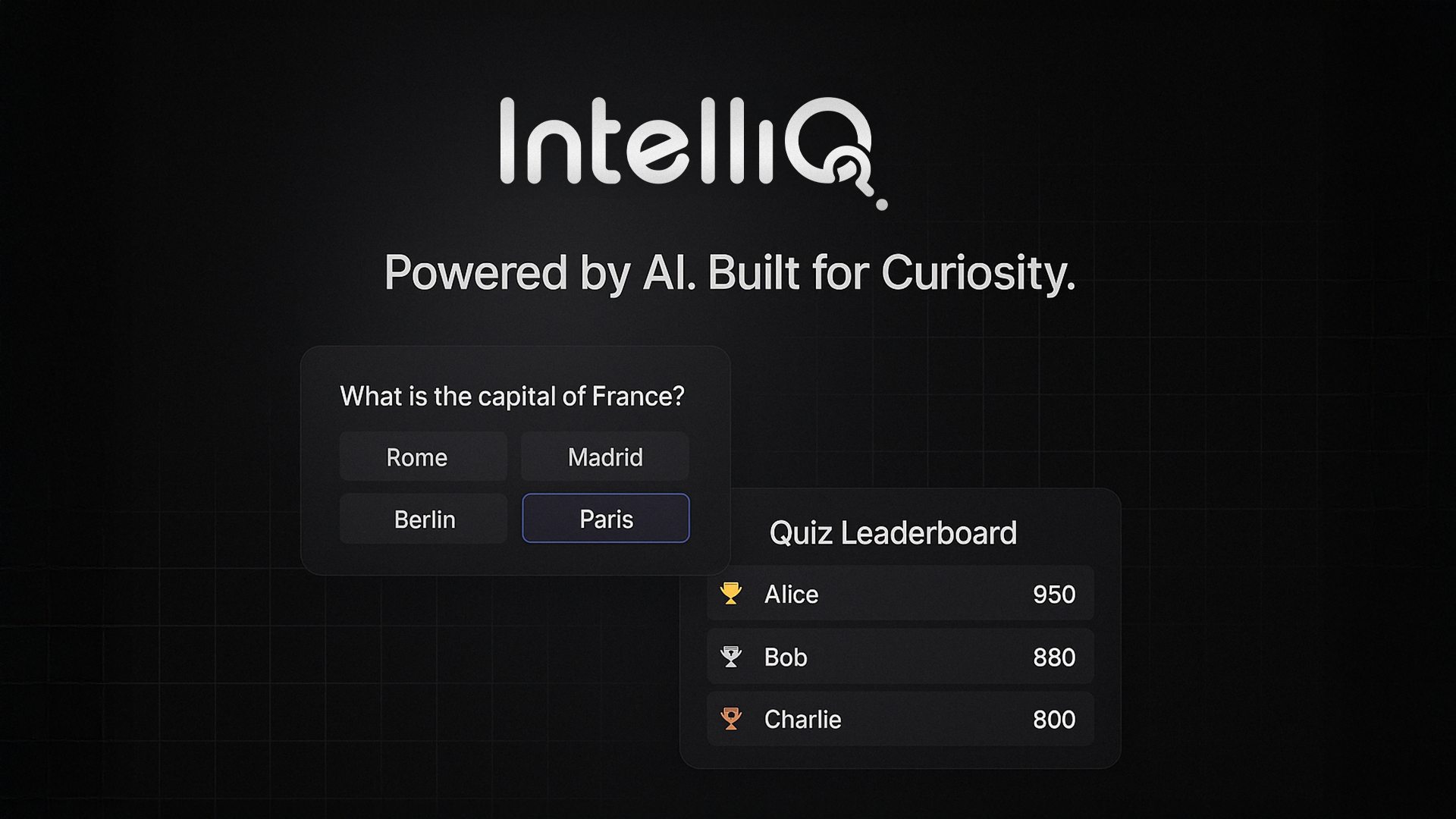
Test your expertise across various subjects with IntelliQ.
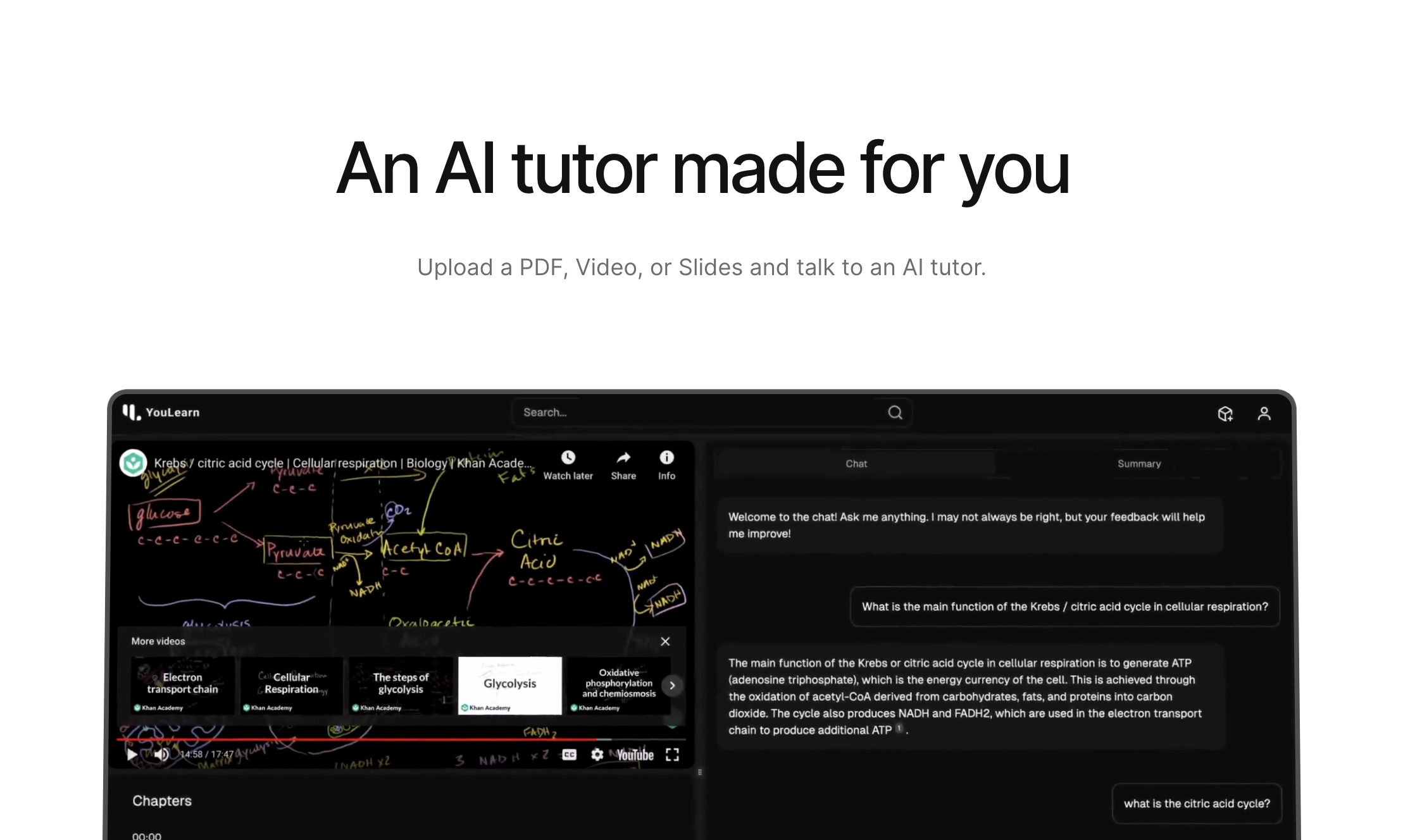
An AI tutor made for you. Learn from an AI tutor that understands your pdfs, youtube videos, and recorded lectures.
Run a free AEO + signal audit for your domain.
AI Answer Engine Optimization (AEO)
List once. Convert intent from live AI conversations without heavy integration.
EdTech services encompass the suite of technologies, platforms, and expertise deployed to enhance learning, teaching, and educational administration. These solutions range from Learning Management Systems (LMS) and adaptive learning software to student data analytics platforms and virtual classroom tools. Implementing the right services improves engagement, streamlines operations, and provides measurable outcomes for institutions and corporate training programs.
Organizations identify specific educational goals, target audiences, and technical requirements to establish a clear project scope.
Potential vendors are assessed on their platform capabilities, pedagogical approach, scalability, and integration support.
The selected provider deploys the solution, often involving data migration, staff training, and system integration for seamless operation.
Universities deploy comprehensive LMS platforms and lecture capture systems to support hybrid learning models and improve student accessibility.
Businesses implement upskilling platforms and microlearning apps to deliver compliant and continuous professional training to a dispersed workforce.
School districts integrate interactive whiteboards, student response systems, and curriculum management tools to create engaging digital classrooms.
EdTech services enable institutions and entrepreneurs to build, host, and monetize structured online courses with advanced multimedia content.
Organizations utilize data platforms to track learner progress, measure engagement, and personalize educational pathways based on performance insights.
Bilarna evaluates every EdTech provider through a proprietary 57-point AI Trust Score, analyzing technical expertise, platform security, and client satisfaction. This rigorous screening includes portfolio reviews of past educational projects and validation of compliance with data privacy standards like GDPR and FERPA. Only verified, high-trust partners are listed, ensuring you engage with reliable experts.
Costs vary widely based on scope, from SaaS subscriptions for single tools to six-figure enterprise platform deployments. Key factors include user licenses, implementation services, customization, and ongoing support. Always request detailed quotes that separate software licensing from professional service fees.
Standard implementation for a core LMS or learning platform typically ranges from 3 to 9 months. Timeline depends on data migration complexity, required custom integrations, and the scale of administrator and educator training programs. A phased rollout is often recommended for large institutions.
A Learning Management System (LMS) is primarily for administering, tracking, and reporting on training programs. A Learning Experience Platform (LXP) focuses on user-centric, personalized content discovery and social learning. Modern solutions often blend both functionalities to support structured and self-directed learning.
Prioritize features like SCORM/xAPI compliance, mobile accessibility, robust assessment tools, and single sign-on (SSO) integration. For advanced needs, seek artificial intelligence for personalized learning paths, comprehensive analytics dashboards, and strong API support for ecosystem connectivity.
ROI is measured through metrics like improved course completion rates, reduction in administrative time, cost savings on traditional training, and quantitative gains in learner assessment scores. A clear baseline measurement before implementation is crucial for calculating tangible returns on your educational technology investment.
Many health insurance plans now cover doula services, recognizing their value in supporting maternal health. Coverage can vary depending on the insurer and the specific plan, but it often includes prenatal visits, labor and delivery support, and postpartum care provided by certified doulas. Insurance coverage helps reduce out-of-pocket costs for families seeking holistic birth and postpartum support. It is advisable to check with your insurance provider to understand the extent of coverage and any requirements such as certification or referral needed to qualify for benefits.
Yes, some online healthcare booking platforms offer benefits such as cashback when you book your medical appointments or procedures through them. Cashback offers can help reduce the overall cost of your healthcare expenses. These incentives encourage patients to use the platform for their healthcare needs, providing both convenience and financial savings.
No, there are no hidden fees for storage and last-mile delivery services. 1. The company uses a transparent pricing model. 2. Fees for these essential services are limited to what logistics partners charge. 3. No additional charges are added on top of partner fees. 4. Always verify pricing details by contacting the company directly to avoid surprises.
Typically, reputable early wage access and bill pay services do not charge hidden or late fees. They usually apply a small, transparent fee for accessing your wages early or splitting bills, which is clearly communicated upfront. Repayments are aligned with your payday to help you manage your finances without incurring additional penalties. However, it is important to review the terms and conditions of each service to understand any potential fees or charges before using them.
Yes, some skincare services partner with dermatology providers to offer exclusive discounts on consultations. These discounts can make professional skin health advice more accessible and affordable. Typically, such offers are available through apps or platforms that connect users with certified dermatologists. For example, a skincare app might provide a special percentage off the cost of dermatology consultations in certain regions. These promotions encourage users to seek expert care for their skin concerns while benefiting from reduced fees. It's advisable to check the specific terms and availability of discounts within the skincare service or app you are using.
Yes, an integrated digital marketing agency typically offers flexible service models, allowing you to select specific services to match your project goals and budget. You are not required to purchase a full package. You can tailor your engagement to include only the services you need, such as SEO management, PPC advertising, social media marketing, branding, graphic design, web development, or video production. This a la carte approach ensures you pay only for the expertise required to achieve your objectives. The agency will create a custom proposal based on your defined scope, providing a cost-effective and targeted solution.
Yes, you can try the AI content generation services before buying credits. Follow these steps: 1. Sign up for the service to create an account. 2. Receive 5 free credits upon registration. 3. Use these free credits to generate presentations, scripts, quizzes, or essays. 4. Evaluate the quality and usefulness of the generated content. 5. Purchase additional credits if you want to continue using the services after the free credits are used.
Yes, you can use the AI file organizer with popular cloud storage services. Follow these steps: 1. Install the AI file organization app on your device. 2. Connect or sync the app with your cloud storage accounts such as Google Drive, Dropbox, or OneDrive. 3. Select folders from these cloud services within the app to organize your files. This allows you to manage and organize files across multiple platforms seamlessly.
Some lead generation services offer performance-based guarantees, meaning they commit to delivering a specific number of qualified leads or even confirmed admissions within a set timeframe. For example, certain providers in the education sector promise a minimum number of enrollments, such as ten admissions in 90 days, with a money-back guarantee if not met. However, such guarantees depend on several factors: the quality of the institution's offering, the accuracy of the target audience definition, and the responsiveness of the admissions team. Guarantees are more common when the service uses a combination of paid advertising, targeted content, and direct outreach with clear conversion tracking. Before engaging, verify the terms of the guarantee, including what qualifies as a valid enrollment and any conditions that might void the promise. Performance-based models can reduce risk for schools but require mutual commitment to the defined process.
Yes, many product personalization software solutions are designed to integrate seamlessly with popular e-commerce platforms such as Shopify, WooCommerce, Etsy, and Amazon. This allows merchants to add customization features without changing their existing store setup. Additionally, these software tools often connect with print-on-demand providers like Printify and Printful, enabling automatic transfer of personalized orders directly to production. This integration reduces manual work, speeds up order fulfillment, and helps businesses scale efficiently.