Step 1
Machine-Ready Briefs
AI translates unstructured needs into a technical, machine-ready project request.
We use cookies to improve your experience and analyze site traffic. You can accept all cookies or only essential ones.
 Bilarna
Stop browsing static lists. Tell Bilarna your specific needs. Our AI translates your words into a structured, machine-ready request and instantly routes it to verified Immersive Shopping Experiences experts for accurate quotes.
AI translates unstructured needs into a technical, machine-ready project request.
Compare providers using verified AI Trust Scores & structured capability data.
Skip the cold outreach. Request quotes, book demos, and negotiate directly in chat.
Filter results by specific constraints, budget limits, and integration requirements.
Eliminate risk with our 57-point AI safety check on every provider.
Verified companies you can talk to directly
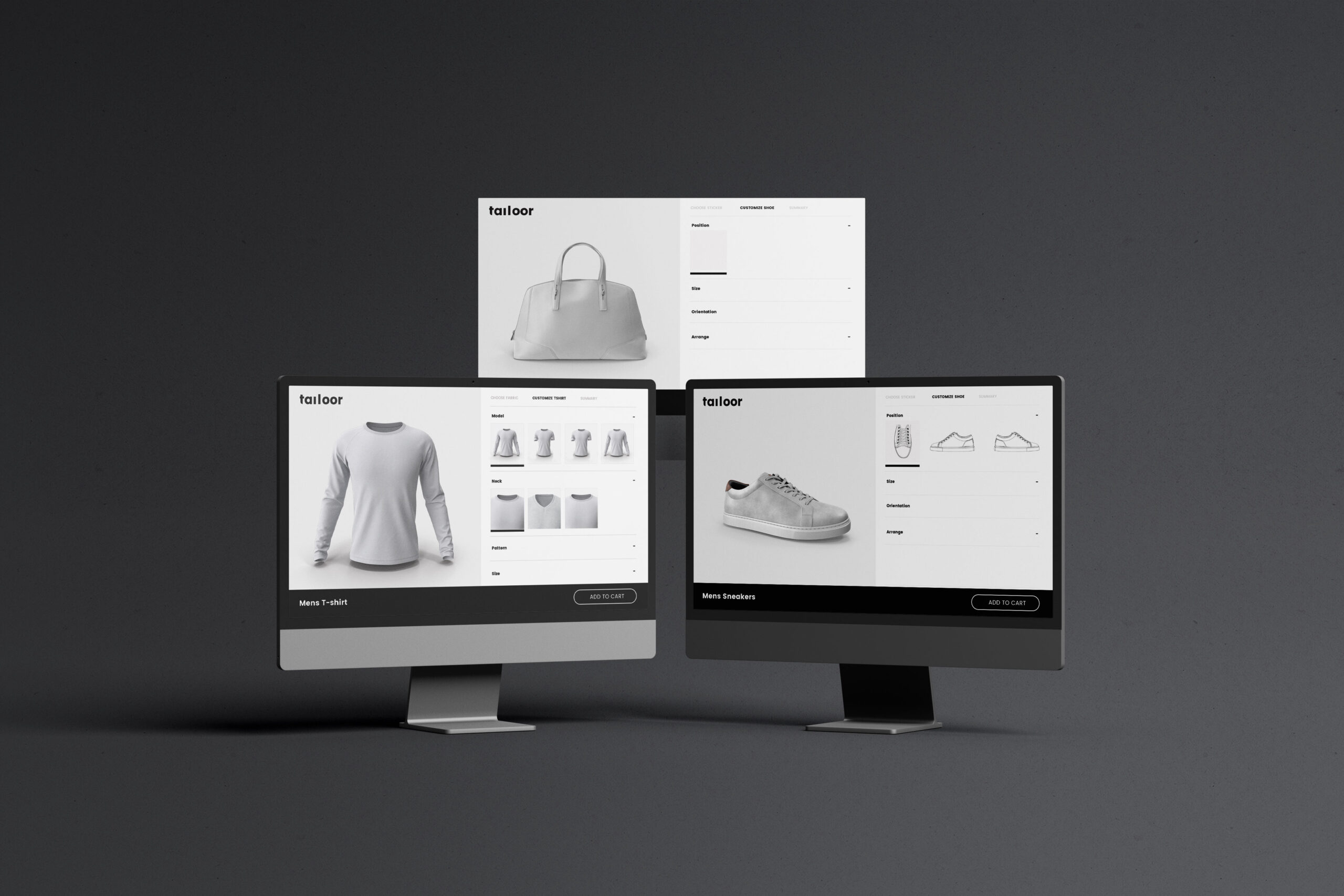
Enable your customers to personalize your products thanks to Tailoor AI powered 3D configurator. Create immersive phygital experiences
Run a free AEO + signal audit for your domain.
AI Answer Engine Optimization (AEO)
List once. Convert intent from live AI conversations without heavy integration.
Immersive shopping experiences are digital, interactive buying environments that deeply engage customers through technologies like Augmented Reality (AR), Virtual Reality (VR), and 3D visualization. They allow users to explore, personalize, and test products in a realistic, contextual scenario before purchase. For businesses, they increase conversion rates, reduce product returns, and strengthen brand loyalty through memorable engagement.
Businesses outline their budget, target audience, and desired technological features such as AR try-on or virtual showrooms for the experience.
Providers create interactive 3D models or AR/VR applications that enable realistic product visualization and user interaction.
The solution is integrated into the e-commerce platform or app, connected to analytics, and refined based on real user behavior data.
Shoppers can visualize furniture in their own room via AR or try on clothes virtually, leading to more confident purchasing decisions and fewer returns.
Virtual showrooms and 3D product configurators create exclusive, aspirational experiences that enhance emotional connection with high-end brands.
VR test drives and interactive 3D configurators allow customers to explore car interiors and customize features in meticulous detail.
Prospective buyers or tenants can take virtual property tours and experiment with different furnishing styles in real-time.
Sales or product training becomes more effective through immersive simulations of customer interactions or complex logistical scenarios.
Bilarna evaluates immersive shopping experience providers using a proprietary 57-point AI Trust Score. This score rigorously assesses their portfolio, technical expertise in AR/VR development, and proven track record in driving measurable business outcomes like conversion uplift. Bilarna's continuous monitoring ensures all listed partners adhere to high standards of quality and performance.
Costs vary widely based on complexity, chosen technology, and project scope. Simple AR viewers can start in the thousands, while comprehensive VR showrooms or custom 3D platforms may require five to six-figure investments.
Implementation can range from a few weeks for standardized AR tools to several months for fully custom VR environments. Timeline depends on the number of products to model and the depth of interactivity desired.
Critical factors include proven industry experience, technical expertise in your required solution, platform scalability, and a clear data strategy for measuring success. A strong portfolio with relevant case studies is essential.
AR overlays digital content onto the real world via a device, VR fully immerses the user in a digital environment, and 3D web displays interactive models directly in a browser. The choice depends on target devices and desired immersion level.
Providers typically report significant increases in conversion rates, higher engagement times, and a substantial reduction in product returns. The exact ROI depends on product category and implementation quality.
Yes, a fresh meal delivery service typically eliminates the need for grocery shopping and significantly reduces cleaning. Since meals are delivered with pre-portioned ingredients or fully prepared, you don’t have to spend time shopping for groceries. Additionally, because the meals require minimal preparation and cooking, there is less mess to clean up afterward. This convenience allows users to enjoy fresh meals without the usual chores associated with meal planning, shopping, and kitchen cleanup.
Immersive applications are used in marketing and brand engagement to create interactive experiences that deeply connect with audiences, enhance conversion rates, and increase brand loyalty. These applications, developed for platforms like VR, AR, MR, web, and mobile, allow consumers to interact with products or brand stories in a novel and memorable way. Common use cases include Instagram or Facebook AR filters for viral social media campaigns, virtual showrooms and product configurators that let customers visualize items in their own space, and immersive brand experiences at expos or BTL (Below-The-Line) events. By offering a 'try before you buy' experience or an entertaining brand interaction, these applications move beyond traditional advertising to generate higher engagement, foster emotional connections, and provide valuable data on user interaction, ultimately driving sales and strengthening customer relationships.
Mixed reality experiences are used in advertising and corporate events as cutting-edge engagement tools that blend digital content with the physical environment to capture attention and convey messages memorably. In advertising, MR can bring products to life by superimposing animated characters or interactive elements onto real-world settings in commercials, creating viral-worthy, immersive campaigns. For corporate events, these experiences serve as innovative team-building activities or product launch showcases, where attendees play together side-by-side in short, fun sessions. This not only breaks the ice but also demonstrates a brand's technological forward-thinking. The technology allows for the creation of 'endless fun mixed reality surprises' within a controlled timeframe, making complex concepts tangible and leaving a lasting, positive impression on clients and employees alike.
Adding photos to shopping list items helps ensure that everyone involved in the shopping process is on the same page. Visual references reduce confusion about specific products, brands, or packaging, making it easier to purchase the correct items. This feature is especially useful when multiple people share the list or when items have similar names but different variations.
AI can help recover abandoned shopping carts by automatically identifying customers who left items in their carts without completing the purchase. It can send personalized reminders or offers to encourage customers to return and finalize their orders. Additionally, AI agents can provide instant support to address any concerns or questions that might have prevented the purchase, improving the chances of conversion. This automation operates 24/7, ensuring timely engagement with potential buyers and increasing overall sales efficiency.
AI can enhance guest experiences in hospitality by providing personalized and efficient service. It listens to guest preferences, learns from interactions, and acts to anticipate needs, resulting in seamless communication between guests and staff. AI-powered systems can automate routine tasks, reduce wait times, and offer tailored recommendations, creating a more human and satisfying experience for guests. This technology also helps staff focus on higher-value interactions, improving overall service quality.
AI can significantly enhance higher education websites and digital platforms by streamlining content operations, personalizing user journeys, and automating complex administrative tasks. Specifically, AI-powered chatbots can provide 24/7 support to prospective students, answering questions about programs and admissions. AI can power intelligent program finder tools that help students discover relevant academic paths based on their interests. For content teams, AI can assist with content strategy, generation, and governance, ensuring consistency across large, decentralized university websites. Furthermore, AI can analyze user behavior data to optimize engagement and conversion funnels, making digital experiences more relevant and effective for diverse audiences, from prospective students to alumni.
AI can enhance personalized learning by adapting educational content to individual students' needs in real time. It analyzes learners' strengths and weaknesses, providing tailored resources and interactive experiences that promote engagement and understanding. This approach helps dismantle traditional educational barriers by making quality learning accessible and affordable for everyone, regardless of their background or location. By integrating AI, both students and teachers can benefit from more efficient and inspiring educational tools that support continuous adaptation and growth.
AI moderators improve the consistency of participant experiences by providing an objective and fatigue-free interaction. 1. They listen without leading or influencing participants, ensuring neutrality. 2. They apply the same moderation style and pace to every participant. 3. They avoid human errors or biases that can vary between sessions. 4. They maintain focus and energy throughout all conversations, delivering uniform experiences. 5. This consistency enhances the reliability and validity of research data.
AI personalizes learning by adapting content and pacing to individual student needs. 1. Collect data on student performance, preferences, and challenges. 2. Use AI algorithms to identify learning gaps and strengths. 3. Deliver customized lessons and activities tailored to each student's level. 4. Continuously monitor progress and adjust materials accordingly. 5. Provide teachers with insights to support differentiated instruction.