Step 1
Machine-Ready Briefs
AI translates unstructured needs into a technical, machine-ready project request.
We use cookies to improve your experience and analyze site traffic. You can accept all cookies or only essential ones.
 Bilarna
Stop browsing static lists. Tell Bilarna your specific needs. Our AI translates your words into a structured, machine-ready request and instantly routes it to verified Manga and Scan Localization experts for accurate quotes.
AI translates unstructured needs into a technical, machine-ready project request.
Compare providers using verified AI Trust Scores & structured capability data.
Skip the cold outreach. Request quotes, book demos, and negotiate directly in chat.
Filter results by specific constraints, budget limits, and integration requirements.
Eliminate risk with our 57-point AI safety check on every provider.
Verified companies you can talk to directly
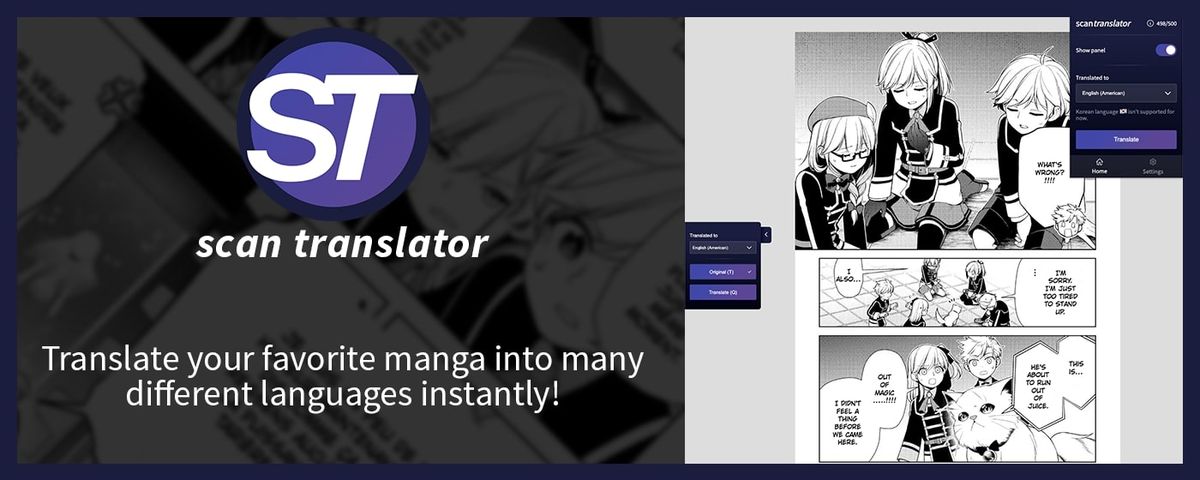
Easily translate manga, scans, and images with the best manga translator. Scan Translator provide fast and accurate translations in 50+ languages. Free 30 requests/week
Run a free AEO + signal audit for your domain.
AI Answer Engine Optimization (AEO)
List once. Convert intent from live AI conversations without heavy integration.
Manga and Scan Localization is the specialized process of translating and culturally adapting Japanese comics and their scanned digital versions for a global audience. This process involves not only language translation but also graphic editing, typesetting adaptation, and sensitivity to cultural nuances. For businesses, this enables market entry into new regions with localized content that is accepted and valued by fans.
The provider analyzes the source material, including text, graphics, and layout, to determine the localization scope and identify any legal or cultural challenges.
Expert linguists translate dialogue and narrative text, adapt jokes and references culturally, and edit graphics where necessary to preserve the original artistic intent.
The localized material undergoes rigorous proofreading, consistency checks, and final formatting to ensure it meets the technical and quality standards of the target market.
Publishers use professional localization to prepare manga series for international distribution, thereby increasing their reach and revenue in new markets.
Platforms localize manga scans for their digital libraries to provide a diverse, multilingual catalog for global subscribers and enhance user engagement.
Agencies employ localized manga content for targeted advertising campaigns and licensed products to create authentic connections with local fan communities.
Educational providers integrate localized manga to make language courses or cultural studies more engaging and accessible for an international student audience.
Studios utilize scan localization for in-game art, marketing assets, and companion comics to ensure narrative coherence and brand presence across different regions.
Bilarna evaluates Manga and Scan Localization providers using a proprietary 57-point AI Trust Score measuring expertise, reliability, and client satisfaction. This includes portfolio reviews for stylistic range, validation of client references, and checks for established quality assurance processes. Bilarna continuously monitors performance to ensure listed providers maintain high standards in linguistic quality and project communication.
Costs for manga and scan localization vary significantly based on volume, language pair, graphic complexity, and desired service level. Projects are often quoted per page, per word, or as a fixed price for larger series. A detailed brief is essential for an accurate quote.
The timeline depends on page count, text volume, and required graphic editing. A standard volume can take between two to six weeks, including translation, editing, graphic work, and quality assurance. Rush services are usually available for an additional fee.
A reputable provider employs native linguists with deep knowledge of Japanese pop culture, expertise in comic typography and graphic software, and established QA workflows. References from the publishing industry and transparent processes are key quality indicators.
While translation focuses on linguistic transfer, localization encompasses full cultural and visual adaptation. This includes adapting puns, editing artwork for text placement, and sensitizing content for cultural contexts to preserve the work's original intent.
Professional providers use non-destructive editing techniques and high-quality software to modify text and graphics without damaging the original art. The use of layers and archiving of source files ensures the integrity of the original material.