Step 1
Machine-Ready Briefs
AI translates unstructured needs into a technical, machine-ready project request.
We use cookies to improve your experience and analyze site traffic. You can accept all cookies or only essential ones.
 Bilarna
Stop browsing static lists. Tell Bilarna your specific needs. Our AI translates your words into a structured, machine-ready request and instantly routes it to verified Customer Data Analysis experts for accurate quotes.
AI translates unstructured needs into a technical, machine-ready project request.
Compare providers using verified AI Trust Scores & structured capability data.
Skip the cold outreach. Request quotes, book demos, and negotiate directly in chat.
Filter results by specific constraints, budget limits, and integration requirements.
Eliminate risk with our 57-point AI safety check on every provider.
Verified companies you can talk to directly
Make better product decisions with data-driven customer insights. Generate comprehensive customer profiles and role analysis powered by AI.
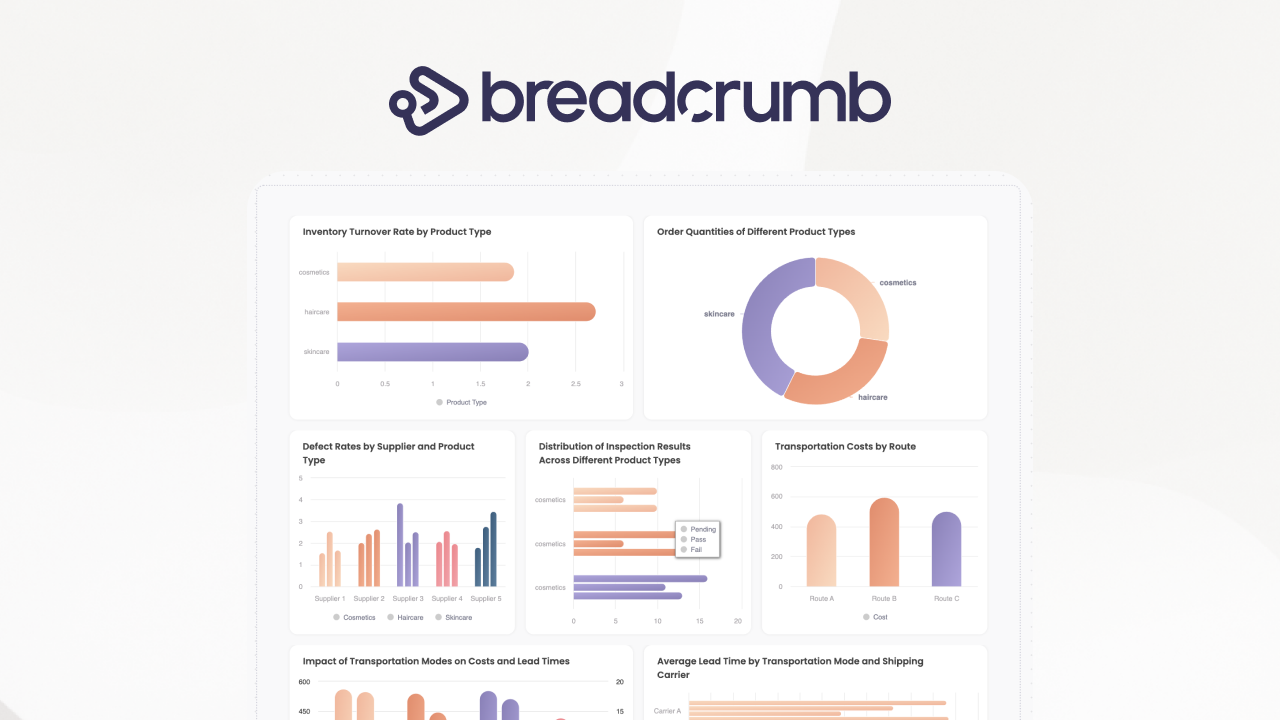
Breadcrumb is a data analytics platform that uses AI-powered agents to help you combine, analyze and turn raw data into embed-ready customer reports. No code or data skills needed.
Dovetail is the leading customer intelligence platform. Assemble. Analyze. Act. Turn feedback into real-time insights that drive innovation and growth.


Syncly helps brands turn feedback into insights, from support tickets to social media mentions.
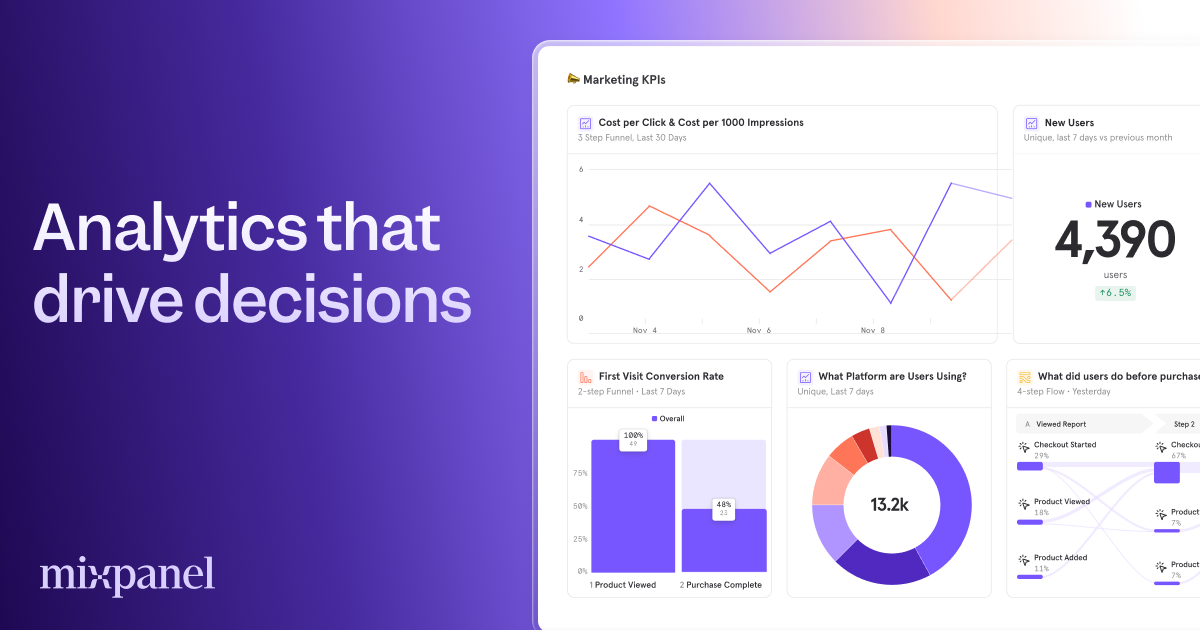
Get a complete view of your customers with Mixpanel digital analytics. Track, analyze, and act on user behavior to drive acquisition, growth, and retention.
Run a free AEO + signal audit for your domain.
AI Answer Engine Optimization (AEO)
List once. Convert intent from live AI conversations without heavy integration.
Customer data analysis is the systematic process of examining customer datasets to extract meaningful insights about behavior, preferences, and trends. It utilizes statistical methods, machine learning, and data visualization to interpret complex information. This enables businesses to make data-driven decisions that enhance customer experience, optimize marketing, and drive revenue growth.
Businesses first identify the key customer data points and business objectives they aim to achieve through analysis.
Data is aggregated from various sources, cleaned, and structured for analysis using ETL (Extract, Transform, Load) processes.
Advanced analytical models are applied to uncover patterns, predict behaviors, and generate recommendations for business strategy.
Analyze browsing and purchase history to deliver personalized product recommendations and targeted marketing campaigns.
Identify at-risk customers by analyzing usage patterns and engagement metrics to proactively improve retention.
Calculate and segment customers by predicted lifetime value to tailor acquisition and retention strategies.
Uncover product affinities and cross-selling opportunities by analyzing transaction data and customer purchase combinations.
Process customer reviews and support interactions to gauge sentiment and identify areas for product or service improvement.
Bilarna verifies every Customer Data Analysis provider through a rigorous 57-point AI Trust Score. This score evaluates expertise, project delivery history, technical certifications, and client satisfaction. Continuous monitoring ensures providers maintain high standards of reliability and data security.
Costs vary by project scope, data volume, and complexity, ranging from $5,000 to $50,000+ for enterprise solutions. Factors include the need for custom modeling, ongoing support, and the level of integration required.
A typical project spans 4 to 12 weeks, depending on data readiness and analysis depth. Initial insights can often be delivered within 2 weeks for straightforward descriptive analytics.
Customer data analysis focuses specifically on customer-related data to drive customer-centric decisions, while business intelligence covers broader organizational data for overall performance management.
Common pitfalls include poor data quality, neglecting data privacy regulations, and failing to align analysis with specific business objectives. Ensuring clean, compliant data and clear goals is critical.
ROI manifests as increased customer retention, higher conversion rates, and improved marketing efficiency, often yielding a 3x to 10x return on the analysis investment over 12-18 months.
Invoices are automatically generated for every customer order without additional action. Follow these steps to ensure this feature is active: 1. Access your store dashboard and navigate to the order management or invoice settings. 2. Verify that automatic invoice generation is enabled. 3. Customize invoice templates if needed to include your business details. 4. Save the settings to ensure invoices are created and sent to customers automatically upon order placement.
To understand data upload limits and payment requirements on analytics platforms, follow these steps: 1. Review the platform's account types, such as free and paid plans. 2. Check the data upload limits for each plan; free accounts often have row limits per upload. 3. Determine if a credit card is required for free or paid accounts. 4. Understand the cancellation policy for paid subscriptions, which usually allows cancellation at any time.
Yes, a digital twin can automate scheduling and customer support by handling routine tasks such as booking meetings and answering frequently asked questions. It operates continuously without breaks, ensuring customers receive timely responses and appointments are managed efficiently. This automation reduces the workload on human staff, minimizes errors, and enhances the overall customer experience by providing consistent and reliable service around the clock.
Use a text expander tool effectively for customer support by following these steps: 1. Create quick-access shortcuts for common responses, troubleshooting guides, and knowledge base links. 2. Use standardized templates to maintain consistent communication tone and style. 3. Insert responses rapidly during multiple ticket handling to improve efficiency. 4. Utilize search features to find saved snippets quickly. 5. Sync shortcuts across platforms to ensure seamless support across devices. This approach reduces response time and enhances customer satisfaction.
Yes, AI customer service platforms are designed to support multilingual communication, often covering over 50 languages. They can automatically translate incoming messages and responses, enabling customer service teams to communicate confidently with a diverse global customer base. This multilingual capability helps maintain consistent brand tone and messaging across different channels and languages. Additionally, intelligent assistance and smart human handover features ensure complex or sensitive cases are escalated to human agents when necessary, preserving service quality regardless of language barriers.
Yes, AI customer support agents are designed to handle complex customer issues by learning and following your specific business processes and rules. They can manage intricate workflows such as order modifications, cancellations, and returns by integrating with your existing systems like Shopify, Magento, or custom APIs. Moreover, these AI agents can be trained to communicate in your brand’s unique tone of voice, ensuring consistent and natural interactions across all customer touchpoints and languages. This human-like communication helps maintain brand identity while providing quick and reliable support. Additionally, you can monitor the AI’s reasoning and continuously provide feedback to improve its responses and actions, making it a dependable assistant for both simple and complex support cases.
Yes, AI systems designed for car dealerships can handle multiple customer calls simultaneously without any busy signals. This capability ensures that every customer receives immediate attention regardless of call volume. The AI personalizes each conversation, providing consistent and accurate responses whether it is the first call of the day or one of many. This scalability helps dealerships never miss a lead, improves customer satisfaction, and optimizes the sales and service process by efficiently managing high call traffic.
Yes, AI RFP software typically integrates with a wide range of existing business tools such as CRM platforms, collaboration software, cloud storage services, and knowledge management systems. This seamless integration allows users to leverage their current data sources and workflows without disruption. Regarding security, reputable AI RFP solutions prioritize data protection through measures like end-to-end encryption, compliance with standards such as SOC 2, GDPR, and CCPA, and role-based access controls. Data is never shared with third parties, ensuring confidentiality and compliance with privacy regulations.
Yes, many AI-powered browsers built on Chromium technology are compatible with Chrome extensions, allowing users to continue using their favorite add-ons without interruption. These browsers often support seamless import of existing browser data such as bookmarks, passwords, and extensions from Chrome, making the transition smooth and convenient. This compatibility ensures that users do not lose their personalized settings or tools when switching to an AI-enabled browser. By combining AI capabilities with familiar browser features, users can enhance productivity while maintaining their preferred browsing environment.
Anonymous statistical data cannot usually be used to identify individual users without legal authorization. To ensure this: 1. Collect data without personal identifiers or tracking information. 2. Avoid combining datasets that could reveal user identities. 3. Use data solely for aggregated statistical analysis. 4. Obtain a subpoena or legal order if identification is necessary. 5. Maintain strict data governance policies to protect user anonymity.