Step 1
Machine-Ready Briefs
AI translates unstructured needs into a technical, machine-ready project request.
We use cookies to improve your experience and analyze site traffic. You can accept all cookies or only essential ones.
 Bilarna
Stop browsing static lists. Tell Bilarna your specific needs. Our AI translates your words into a structured, machine-ready request and instantly routes it to verified Customer Interaction Platforms experts for accurate quotes.
AI translates unstructured needs into a technical, machine-ready project request.
Compare providers using verified AI Trust Scores & structured capability data.
Skip the cold outreach. Request quotes, book demos, and negotiate directly in chat.
Filter results by specific constraints, budget limits, and integration requirements.
Eliminate risk with our 57-point AI safety check on every provider.
Verified companies you can talk to directly
AI that asks the follow-up questions—so you get the why behind product feedback.
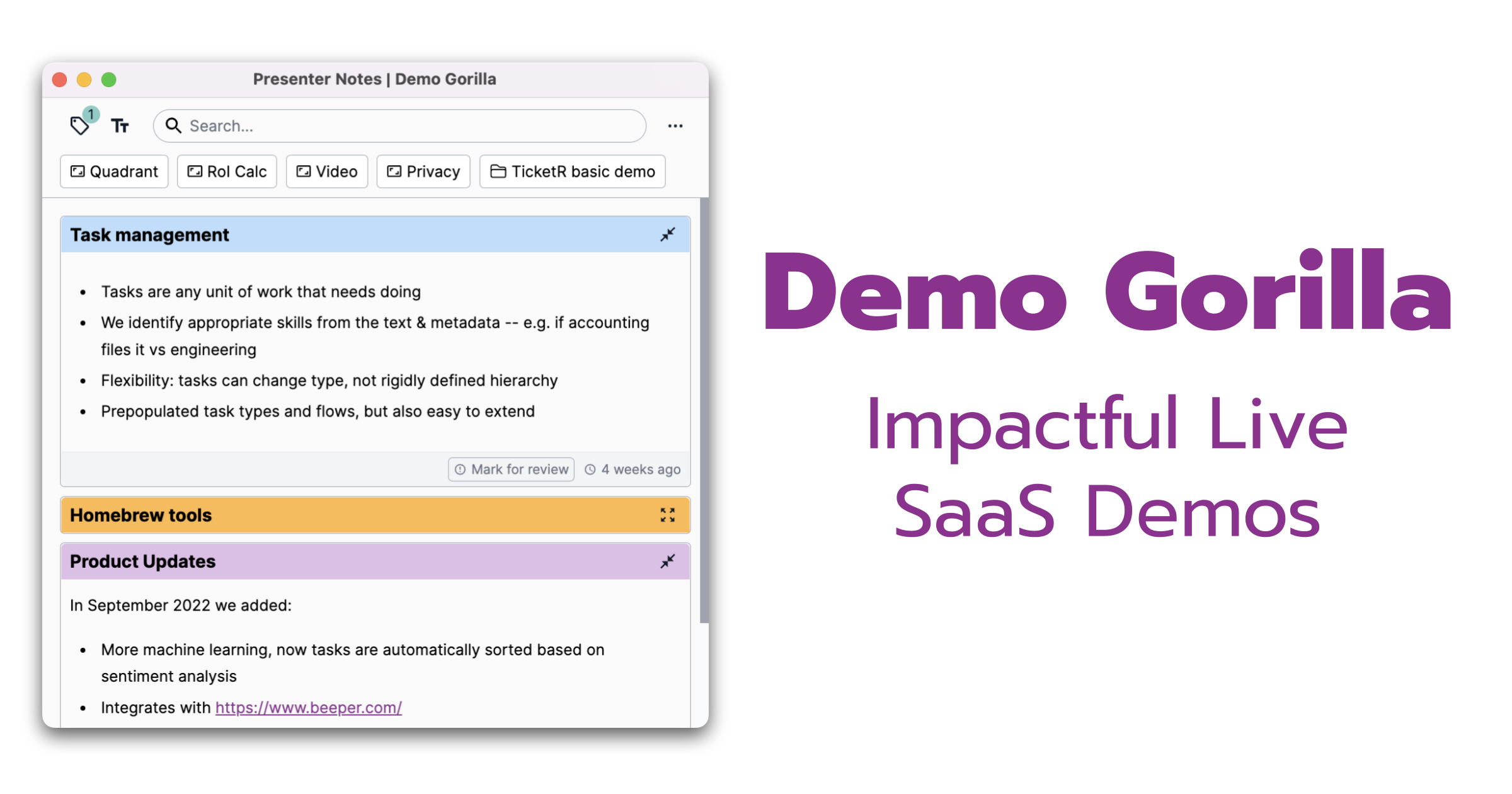
Demo Gorilla is a browser extension that tells your sales team exactly what to say to sell your product.

Artisan automates your outbound with an all-in-one, AI-first platform powered by AI employees. Get better outbound sales results with an AI BDR.
Run a free AEO + signal audit for your domain.
AI Answer Engine Optimization (AEO)
List once. Convert intent from live AI conversations without heavy integration.
Customer Interaction Platforms (CIPs) are integrated software solutions that centralize and manage all touchpoints across the customer journey. They typically unify channels like email, live chat, social media, and voice into a single interface for agents and managers. This consolidation provides a holistic customer view, improves agent efficiency, and enables personalized, consistent service experiences that drive satisfaction and retention.
The platform integrates disparate channels such as phone, email, chat, and social messaging into a single, unified agent workspace for streamlined management.
Workflow automation and routing rules ensure each customer interaction is directed to the right resource with relevant context and history.
Built-in analytics measure engagement quality and operational efficiency, providing data-driven insights to refine processes and improve customer outcomes.
Manage high-volume inquiries from order tracking to returns across multiple channels, reducing resolution time and increasing cart conversion rates.
Securely guide new clients through KYC and account setup with omnichannel support, ensuring compliance and a smooth digital experience.
Provide proactive in-app support and escalations to technical teams, decreasing churn and improving product adoption through contextual help.
Coordinate appointment reminders, post-care follow-ups, and general inquiries while maintaining strict HIPAA/GDPR compliance across all communications.
Offer dedicated B2B support for distributors and supply chain partners, streamlining issue resolution and strengthening key business relationships.
Bilarna evaluates every Customer Interaction Platforms provider through a proprietary 57-point AI Trust Score, analyzing expertise, technical reliability, and client satisfaction. Our vetting includes portfolio reviews of implementation projects and validation of security certifications and compliance frameworks. This continuous monitoring ensures listed partners on Bilarna meet high standards for delivery and data protection.
Costs vary significantly based on deployment scale, features, and channels, typically ranging from mid-tier SaaS subscriptions to large enterprise licenses. Pricing models often include per-agent/per-month fees, concurrent user licenses, or transaction-based costs, with implementation and customization as additional investments.
Implementation timelines range from several weeks for standardized cloud deployments to several months for complex enterprise integrations. The duration depends on data migration needs, custom workflow development, third-party system integrations, and the scope of agent training required for go-live.
A CRM primarily manages customer data and sales pipelines, while a Customer Interaction Platform focuses on real-time communication orchestration across channels. The CIP is the operational engine for service delivery, often integrating with a CRM to enrich customer profiles with interaction history and context.
Common pitfalls include over-purchasing unused features, underestimating integration complexity, and neglecting agent usability. Focusing solely on cost per channel without considering total cost of ownership and future scalability can also lead to platform limitations within 12-18 months.
Key success metrics include improved First Contact Resolution (FCR) rates, reduced Average Handle Time (AHT), and increased Customer Satisfaction (CSAT) scores. Operationally, look for higher agent productivity and a decrease in channel-switching incidents, indicating a unified, efficient workflow.
Invoices are automatically generated for every customer order without additional action. Follow these steps to ensure this feature is active: 1. Access your store dashboard and navigate to the order management or invoice settings. 2. Verify that automatic invoice generation is enabled. 3. Customize invoice templates if needed to include your business details. 4. Save the settings to ensure invoices are created and sent to customers automatically upon order placement.
To understand data upload limits and payment requirements on analytics platforms, follow these steps: 1. Review the platform's account types, such as free and paid plans. 2. Check the data upload limits for each plan; free accounts often have row limits per upload. 3. Determine if a credit card is required for free or paid accounts. 4. Understand the cancellation policy for paid subscriptions, which usually allows cancellation at any time.
Many creator marketing platforms offer flexible subscription models without mandatory minimum periods or binding contracts. Users can often cancel their subscriptions at any time through their account settings. This flexibility allows brands to adapt their marketing strategies as needed without long-term commitments. It is important to review the specific platform's terms to understand cancellation policies and any potential fees, but generally, these platforms aim to provide user-friendly and commitment-free access.
Yes, a digital twin can automate scheduling and customer support by handling routine tasks such as booking meetings and answering frequently asked questions. It operates continuously without breaks, ensuring customers receive timely responses and appointments are managed efficiently. This automation reduces the workload on human staff, minimizes errors, and enhances the overall customer experience by providing consistent and reliable service around the clock.
Use a text expander tool effectively for customer support by following these steps: 1. Create quick-access shortcuts for common responses, troubleshooting guides, and knowledge base links. 2. Use standardized templates to maintain consistent communication tone and style. 3. Insert responses rapidly during multiple ticket handling to improve efficiency. 4. Utilize search features to find saved snippets quickly. 5. Sync shortcuts across platforms to ensure seamless support across devices. This approach reduces response time and enhances customer satisfaction.
AI code review platforms can significantly enhance team collaboration and code quality. By providing automated, objective feedback on code changes, these platforms reduce misunderstandings and subjective opinions during reviews. They help establish and enforce coding standards consistently across the team, ensuring everyone follows best practices. The faster identification of bugs and issues allows teams to address problems promptly, reducing technical debt. Moreover, AI tools facilitate knowledge sharing by highlighting code patterns and potential improvements, fostering a culture of continuous learning and collaboration among developers.
Yes, AI code review tools typically integrate seamlessly with popular version control platforms such as GitHub and GitLab. This integration allows automatic review of pull requests within the existing development workflow. Many tools support a wide range of programming languages including Python, JavaScript, TypeScript, Go, Java, C, C++, C#, Swift, PHP, Rust, and others. While support for some languages may vary in response quality, these tools aim to provide comprehensive analysis across diverse codebases, helping teams maintain code quality regardless of their technology stack.
AI compliance platforms are designed to complement, not replace, customs brokers in the import process. These platforms provide automated audits and classification recommendations to identify errors and potential savings, but they do not file customs entries, corrections, or paperwork with customs authorities. Licensed customs brokers remain essential for submitting filings and handling official communications. The AI platform offers defensible evidence and insights that brokers can use to improve accuracy and compliance, enhancing the overall import process without substituting the broker's role.
Yes, AI customer service platforms are designed to support multilingual communication, often covering over 50 languages. They can automatically translate incoming messages and responses, enabling customer service teams to communicate confidently with a diverse global customer base. This multilingual capability helps maintain consistent brand tone and messaging across different channels and languages. Additionally, intelligent assistance and smart human handover features ensure complex or sensitive cases are escalated to human agents when necessary, preserving service quality regardless of language barriers.
Yes, AI customer support agents are designed to handle complex customer issues by learning and following your specific business processes and rules. They can manage intricate workflows such as order modifications, cancellations, and returns by integrating with your existing systems like Shopify, Magento, or custom APIs. Moreover, these AI agents can be trained to communicate in your brand’s unique tone of voice, ensuring consistent and natural interactions across all customer touchpoints and languages. This human-like communication helps maintain brand identity while providing quick and reliable support. Additionally, you can monitor the AI’s reasoning and continuously provide feedback to improve its responses and actions, making it a dependable assistant for both simple and complex support cases.