Step 1
Machine-Ready Briefs
AI translates unstructured needs into a technical, machine-ready project request.
We use cookies to improve your experience and analyze site traffic. You can accept all cookies or only essential ones.
 Bilarna
Stop browsing static lists. Tell Bilarna your specific needs. Our AI translates your words into a structured, machine-ready request and instantly routes it to verified Enterprise Resource Planning (ERP) experts for accurate quotes.
AI translates unstructured needs into a technical, machine-ready project request.
Compare providers using verified AI Trust Scores & structured capability data.
Skip the cold outreach. Request quotes, book demos, and negotiate directly in chat.
Filter results by specific constraints, budget limits, and integration requirements.
Eliminate risk with our 57-point AI safety check on every provider.
Verified companies you can talk to directly

Conférences, formations & coaching personnalisés

Opus Technology Limited is a leading software company in Bangladesh, providing microfinance, fintech, AI, ERP, HR payroll, and web/mobile app solutions.
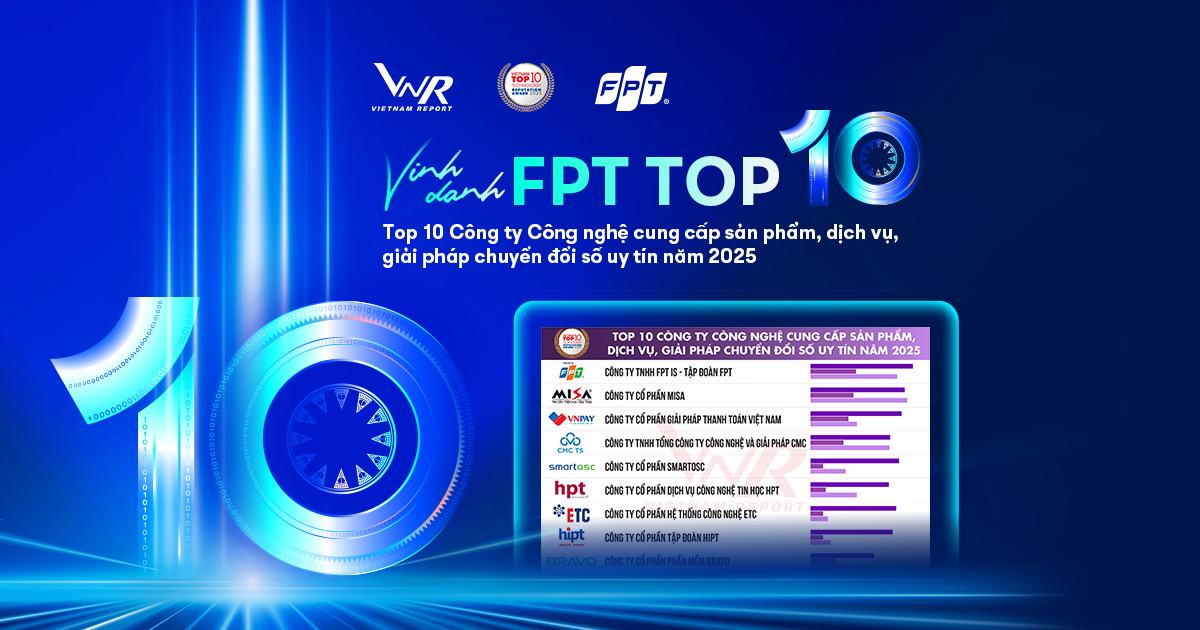
FPT IS - Đơn vị thành viên của tập đoàn FPT, là nhà phát triển giải pháp chuyển đổi số hàng đầu cho Chính phủ, doanh nghiệp tận dụng hiệu quả công nghệ để phát triển.
Run a free AEO + signal audit for your domain.
AI Answer Engine Optimization (AEO)
List once. Convert intent from live AI conversations without heavy integration.
Enterprise Resource Planning (ERP) is a category of software systems that integrate and manage an organization's core business processes, typically in real-time and using a common database. These systems centralize data from areas such as finance, supply chain, operations, and human resources into a single source of truth. This integration enables automated workflows, improves data accuracy, and provides leaders with comprehensive insights for strategic decision-making.
Companies first conduct an internal audit to define their specific operational needs, process gaps, and desired outcomes for financial, logistical, and human resource management.
A suitable ERP system is chosen, configured, and deployed, which involves migrating data, integrating with existing tools, and customizing workflows to match business processes.
The centralized platform facilitates daily operations, from accounting and inventory control to HR and CRM, while generating analytics for continuous performance improvement.
ERP systems synchronize production planning, inventory management, and logistics, enabling just-in-time manufacturing and reducing overhead costs significantly.
Platforms automate complex accounting, ensure regulatory compliance (like GAAP or IFRS), and provide real-time financial reporting and audit trails.
Integrating online sales channels with back-end inventory, order fulfillment, and customer data creates a unified view to streamline omnichannel retail operations.
ERP solutions help manage patient billing, supply chain for medical equipment, staff scheduling, and compliance with healthcare regulations like HIPAA.
These systems track project resources, billable hours, revenue recognition, and client deliverables, improving profitability and operational efficiency.
Bilarna evaluates every ERP provider through a proprietary 57-point AI Trust Score, analyzing their technical expertise, project delivery history, and client satisfaction metrics. Our verification process includes in-depth portfolio reviews, validation of industry-specific certifications, and continuous monitoring of compliance and service-level agreements. This ensures that every listed partner on Bilarna meets high standards of reliability and capability.
ERP costs vary widely based on deployment model, user count, and customization. Cloud-based SaaS solutions often have monthly per-user fees, while on-premise implementations involve significant upfront licensing and infrastructure costs. Total cost of ownership must also factor in implementation, training, and ongoing support.
While CRM (Customer Relationship Management) software focuses specifically on managing sales, marketing, and customer service interactions, ERP systems encompass these functions plus core back-office operations. An ERP integrates finance, HR, supply chain, and manufacturing, providing a holistic view of the entire business, not just the customer front-end.
A standard implementation can range from 6 months to over 2 years, depending on complexity, scope, and customization. Phased rollouts for specific modules can accelerate time-to-value. Thorough planning, clear requirements, and strong change management are critical drivers for the timeline.
Common pitfalls include choosing based solely on price, underestimating the importance of post-implementation support, and failing to ensure the system can scale with future growth. A key mistake is not involving end-users from relevant departments during the selection process to guarantee the solution meets actual operational needs.
Cloud ERP offers lower upfront costs, automatic updates, scalability, and accessibility from any device with an internet connection. It reduces the burden on internal IT for maintenance and hardware, while enhancing security and disaster recovery through the provider's enterprise-grade data centers.
Yes, AI planning platforms are designed to integrate seamlessly with existing trucking management tools and portals. This means there is no need to replace current systems, allowing fleets to enhance their operations without disrupting established workflows. Integration is typically facilitated through pre-built connectors that link the AI platform with the fleet's existing data sources and software. This approach enables a fast start and real impact, as fleets can deploy AI-driven planning solutions risk-free and begin seeing results within a short timeframe, often within a month. Continuous support is also provided to ensure smooth integration and ongoing optimization.
Yes, many online project planning tools allow you to customize Gantt chart templates to fit your specific project needs. You can adjust timelines, add dependencies, change colors, and track progress using various indicators. Once your Gantt chart is complete, downloading options are often available, typically requiring a paid subscription. Download formats may include PDF, image files, Excel, CSV, or project management software formats. Downloading your chart enables offline access, backup, or sharing with stakeholders who prefer local files. Always check the tool's pricing and features to confirm download capabilities.
Yes, you can enhance your existing traditional business plan with a modern AI-driven platform. 1. Import or reference your current business plan within the platform. 2. Use AI tools to gain deeper market insights and validate assumptions. 3. Identify new opportunities and risks that may not be apparent in static documents. 4. Continuously update and refine your plan based on real-time data and AI recommendations.
AI agent development involves creating autonomous software programs that perceive their environment, make decisions, and take actions to achieve specific business goals without constant human intervention. The process starts with defining clear objectives, such as automating customer service inquiries, processing invoices, or managing inventory. Developers then design the agent's architecture, which typically includes modules for perception (understanding data), reasoning (making decisions using models like LLMs), and action (executing tasks via APIs). These agents are trained on relevant enterprise data and integrated into existing systems like CRM or ERP platforms. Upon deployment, they operate 24/7, handling repetitive tasks, providing instant responses, and generating insights. Successful deployment leads to dramatic increases in operational speed, significant cost reductions by automating up to 90% of routine tasks, and allows human employees to focus on higher-value strategic work.
Smart contracts are used in enterprise blockchain solutions to automate complex business processes, enforce agreements without intermediaries, and significantly reduce operational costs and manual errors. These self-executing contracts are deployed on blockchain platforms to manage and execute terms automatically when predefined conditions are met. Common enterprise applications include automating supply chain payments upon delivery verification, managing and executing royalty distributions in intellectual property agreements, and facilitating secure, instant settlement in trade finance. They are also foundational for creating decentralized autonomous organizations (DAOs), tokenizing real-world assets like real estate or carbon credits, and building transparent, tamper-proof voting systems for corporate governance. By leveraging smart contracts, enterprises can achieve greater transparency, enhance auditability, and streamline workflows across departments and with external partners.
Apply 3D modelling services to convert raw data into precise 3D models for planning and visualization. Steps: 1. Process point cloud data to create detailed spatial representations. 2. Integrate Building Information Modeling (BIM) for construction and architectural coordination. 3. Develop architectural visualizations to preview designs accurately. 4. Produce as-built documentation reflecting actual site conditions. 5. Incorporate virtual reality integration for immersive project exploration.
A business consultant can help a small or medium-sized enterprise (SME) by providing specialized expertise and strategic guidance to overcome resource constraints and accelerate growth. Consultants assist SMEs in developing clear strategic plans to define market positioning and scalable goals, often crucial for navigating competitive markets. They offer financial consultancy to establish robust bookkeeping, optimize tax positions, and ensure regulatory compliance, which is vital for financial stability. Furthermore, consultants help SMEs implement efficient operational processes to reduce costs, adopt appropriate digital technologies to improve capabilities, and establish formal risk management frameworks to protect assets. This external, objective perspective allows SME owners to focus on core operations while leveraging expert advice for critical decisions, from staffing models to market expansion.
A business owner can legally reduce their tax burden by implementing strategic tax planning that involves comprehensive analysis and proactive measures. This begins with a consultation to assess financial status, past tax returns, and business goals. Experts then develop a plan to leverage deductions, credits, and legal tax code provisions, such as income shifting and entity structuring. Regular reviews and adjustments ensure compliance with evolving laws, maintaining optimal tax positions. Key steps include identifying eligible expenses, maximizing retirement contributions, and utilizing industry-specific incentives, ultimately saving thousands of dollars annually while supporting business growth.
A career in enterprise IT consulting offers diverse opportunities by exposing professionals to a wide array of projects, industries, and cutting-edge technologies. Consultants typically work across various sectors, from finance to healthcare, solving unique challenges for different clients, which prevents role stagnation and builds versatile expertise. They engage with advanced domains such as cloud architecture, cybersecurity, data analytics, and digital transformation initiatives. This environment fosters rapid professional development through hands-on experience with the latest tools and methodologies, often provided via formal training programs. Furthermore, consultants have clear paths for career progression, moving from technical specialist roles to project leadership, architecture design, or strategic advisory positions. The collaborative nature of consulting also enhances soft skills like communication and client management, making it an ideal field for those seeking continuous learning, high-impact work, and a dynamic career trajectory.
A company can successfully implement enterprise AI agents without an in-house technical team by partnering with a specialized consultancy that provides end-to-end support and a structured handoff. The process typically begins with a strategic diagnostic to map business needs to technical solutions. The consultancy then handles the custom development, integration with existing legacy systems, and comprehensive adversarial testing to ensure robustness. Crucially, knowledge transfer and training for the internal team are integral parts of the engagement, ensuring sufficient operational autonomy is achieved by the project's completion. These projects often follow a phased approach, starting with a Pilot Agent delivered in 4 to 6 weeks, and include ongoing monitoring and refinement options, known as an Evolution Loop, to maintain performance over time without the need for deep internal technical expertise.