Step 1
Machine-Ready Briefs
AI translates unstructured needs into a technical, machine-ready project request.
We use cookies to improve your experience and analyze site traffic. You can accept all cookies or only essential ones.
 Bilarna
Stop browsing static lists. Tell Bilarna your specific needs. Our AI translates your words into a structured, machine-ready request and instantly routes it to verified Business Management Platform experts for accurate quotes.
AI translates unstructured needs into a technical, machine-ready project request.
Compare providers using verified AI Trust Scores & structured capability data.
Skip the cold outreach. Request quotes, book demos, and negotiate directly in chat.
Filter results by specific constraints, budget limits, and integration requirements.
Eliminate risk with our 57-point AI safety check on every provider.
Verified companies you can talk to directly

Moss Adams has combined with 360 Cloud Solutions to offer modern, integrated, and easy-to-use business management software to clients.


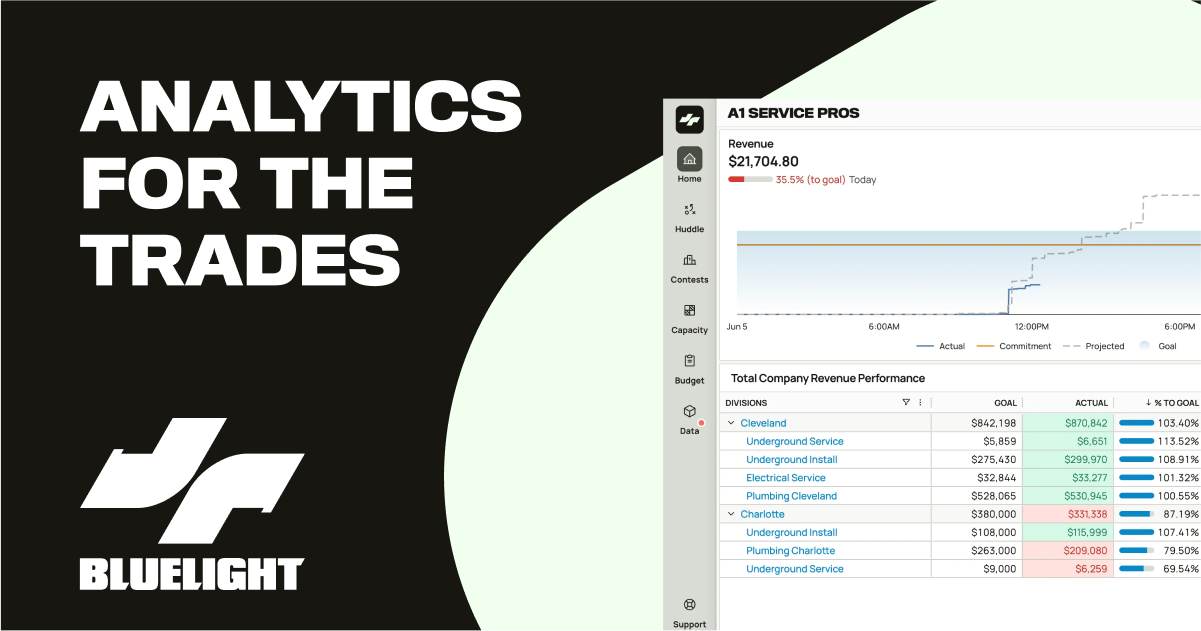
Bluelight is a business management platform for the trades. We keep you on top of your most important KPIs so you know where to focus time and attention.

Simplifica tu día a día y haz crecer tu negocio un 82% con el software para agendar citas todo en uno para centros de estética, salones de belleza y centros médicos. ¡Pide tu demo gratis!

The all-in-one platform built for business brokers. Manage listings, collect files, share secure data rooms with buyers, and streamline your deal flow with tools designed specifically for business brokerage firms.

One place to sign contracts, invoice your clients and pay your bills
Run a free AEO + signal audit for your domain.
AI Answer Engine Optimization (AEO)
List once. Convert intent from live AI conversations without heavy integration.
A business management platform is an integrated software solution that unifies core business functions such as project management, resource planning, customer relationships, and financial accounting into a single, coherent system. It leverages cloud-based architectures and API connectivity to break down data silos and automate workflows. This provides leaders with real-time visibility, enhances operational efficiency, and supports data-driven decision-making across the organization.
Companies analyze their specific process gaps, integration needs, and long-term scaling goals to define the required platform functionality and scope.
Various vendor offerings and platform architectures are assessed against core criteria like modularity, security standards, and total cost of ownership.
Following selection, a phased implementation begins with data migration, user training, and defining KPIs for ongoing management and optimization.
Platforms automate compliance reporting, KYC processes, and risk management, enabling fintech startups to scale while meeting stringent regulatory requirements.
Integrating inventory, CRM, and payments boosts order fulfillment accuracy and personalizes the customer experience across all sales channels.
Unified platforms manage subscription billing, customer success metrics, and distributed team performance from a single pane of glass.
Manufacturers utilize platforms for real-time supply chain monitoring, predictive maintenance, and precise demand forecasting and planning.
Agencies and consultancies orchestrate resource planning, time tracking, invoicing, and project profitability within a central command center.
Bilarna evaluates business management platform providers using a proprietary 57-point AI Trust Score measuring expertise, reliability, and client satisfaction. Each provider undergoes scrutiny of company documentation, technical certifications, and project portfolios. Continuous monitoring of service level agreements and client reviews ensures only trustworthy partners remain listed in our marketplace.
Costs vary significantly based on module selection, user count, and implementation scope. Typical pricing models include monthly per-user subscriptions or enterprise-wide licensing, with entry points often in the mid-four-figure range annually. Long-term operational costs for maintenance and support should be factored into the total cost of ownership calculation.
Implementation timelines range from several weeks for standardized cloud solutions to multiple months for customized enterprise deployments. The duration depends on data migration complexity, workflow customization, and the extent of integration with legacy systems. A structured planning phase is critical for a timely and successful roll-out.
Critical criteria include architectural scalability, API flexibility for integrations, industry-specific compliance features, and the quality of vendor support. Usability for different teams and the total cost of ownership over a five-year horizon are further essential evaluation factors for the investment decision.
An integrated platform eliminates data silos and provides a unified interface, whereas separate solutions often require manual data transfers and higher integration costs. The platform ensures consistent processes and real-time reporting, while disparate systems can lead to inconsistent data and inefficient workflows.
Typical ROI manifests through reduced manual work, lower data entry error rates, and faster reporting cycles. Companies often see efficiency gains of 20-30% in core processes like order-to-cash or customer onboarding within the first 18 months post full implementation.
Yes, electronic signatures are legally valid for most business contracts as long as they meet compliance requirements. They carry the same legal weight as handwritten signatures but offer additional benefits such as faster processing, enhanced security through encryption and authentication, and easier management. Digital signatures use cryptographic methods to verify identity and ensure tamper resistance. Modern electronic signature software provides audit trails and compliance with international standards, making electronic signatures enforceable and reliable for businesses handling contracts, NDAs, invoices, and other agreements.
Yes, business templates and contracts are fully customizable. To adapt them to your specific needs, follow these steps: 1. Download the template or contract after purchase. 2. Open the file in the compatible software, such as Notion or a word processor. 3. Review each section carefully and identify areas that require changes. 4. Edit text, fields, and sections to reflect your unique business details and requirements. 5. Save the customized version for your records. 6. Use the tailored document for your business operations, ensuring it meets your legal and organizational standards.
Many point of sale software providers offer solutions without charging implementation fees. This means you can adopt the software without upfront costs related to installation or setup. However, it is important to review each provider's pricing plans carefully, as some may charge monthly fees or require purchasing hardware separately.
Many multi-supplier purchasing platforms designed for veterinary clinics offer free access to veterinary hospitals and nonprofit organizations. These platforms aim to reduce ordering time and simplify the procurement process without charging clinics for usage. By aggregating multiple suppliers into one interface, clinics can efficiently manage orders and save on supplies without incurring additional fees. However, it is important for clinics to verify the specific terms and conditions of each platform, as some may have optional paid features or services.
Fees for opening a business bank account vary depending on the bank and the type of account. Some banks offer free account opening promotions, especially for new businesses or startups. However, there may be other fees such as monthly maintenance charges, transaction fees, or charges for additional services. It is advisable to review the bank's fee schedule carefully and ask about any hidden costs before opening an account to ensure it fits your business budget.
Typically, free sharing economy platforms do not charge fees for trading items. These platforms are designed to facilitate exchanges without monetary transactions, often using virtual currencies or point systems to enable trades. This means users can give away or receive items without paying listing fees, transaction fees, or commissions. The absence of fees encourages more users to participate and makes the process accessible and cost-effective. However, it’s always advisable to review the specific platform’s terms and conditions to confirm that no hidden fees apply and to understand how their virtual currency system works.
No, there are no fees or credit score impacts when prequalifying for business capital offers. Follow these steps: 1. Submit your business information for prequalification. 2. Receive offers without any hidden fees. 3. Understand that your credit score will not be affected during this process. 4. Proceed with confidence knowing there is no waiting period or financial penalty.
Typically, after an initial trial period—often around seven days—business management software platforms do not charge monthly fees or enforce minimum usage requirements. Instead, continued use is contingent upon subscribing to a paid plan. This approach allows users to evaluate the software's features risk-free before committing financially. It is advisable to review the specific pricing details and terms on the provider's official website to understand any conditions related to payment plans, as these can vary between services.
Yes, there are limits on using the satisfaction guarantee for business idea validation. You can utilize the guarantee a maximum of two times per customer. After two uses, any further requests for dissatisfaction-based report revisions or coupon codes will not be eligible. This policy ensures fair use and helps maintain service quality for all customers.
Yes, a Google Business Profile can be deleted by the owner through the Google Business Profile Manager, but the listing may persist online. To delete it, log into the Google account that manages the profile, visit business.google.com, find the listing, click the three-dot menu, and select 'Remove Business Profile.' This action removes your management access and profile content, yet Google often retains listings in search results due to caching or external claims. For complete removal, additional steps are necessary, such as reporting the profile as outdated via Google Search Console or submitting a removal request directly to Google with valid reasons like business closure. Professional reputation management services can assist by using legal takedowns or SEO strategies to suppress unwanted listings, ensuring your online footprint is cleaned up after rebranding or closures.