Step 1
Machine-Ready Briefs
AI translates unstructured needs into a technical, machine-ready project request.
We use cookies to improve your experience and analyze site traffic. You can accept all cookies or only essential ones.
 Bilarna
Stop browsing static lists. Tell Bilarna your specific needs. Our AI translates your words into a structured, machine-ready request and instantly routes it to verified Secure Financial Data Connectivity experts for accurate quotes.
AI translates unstructured needs into a technical, machine-ready project request.
Compare providers using verified AI Trust Scores & structured capability data.
Skip the cold outreach. Request quotes, book demos, and negotiate directly in chat.
Filter results by specific constraints, budget limits, and integration requirements.
Eliminate risk with our 57-point AI safety check on every provider.
Verified companies you can talk to directly
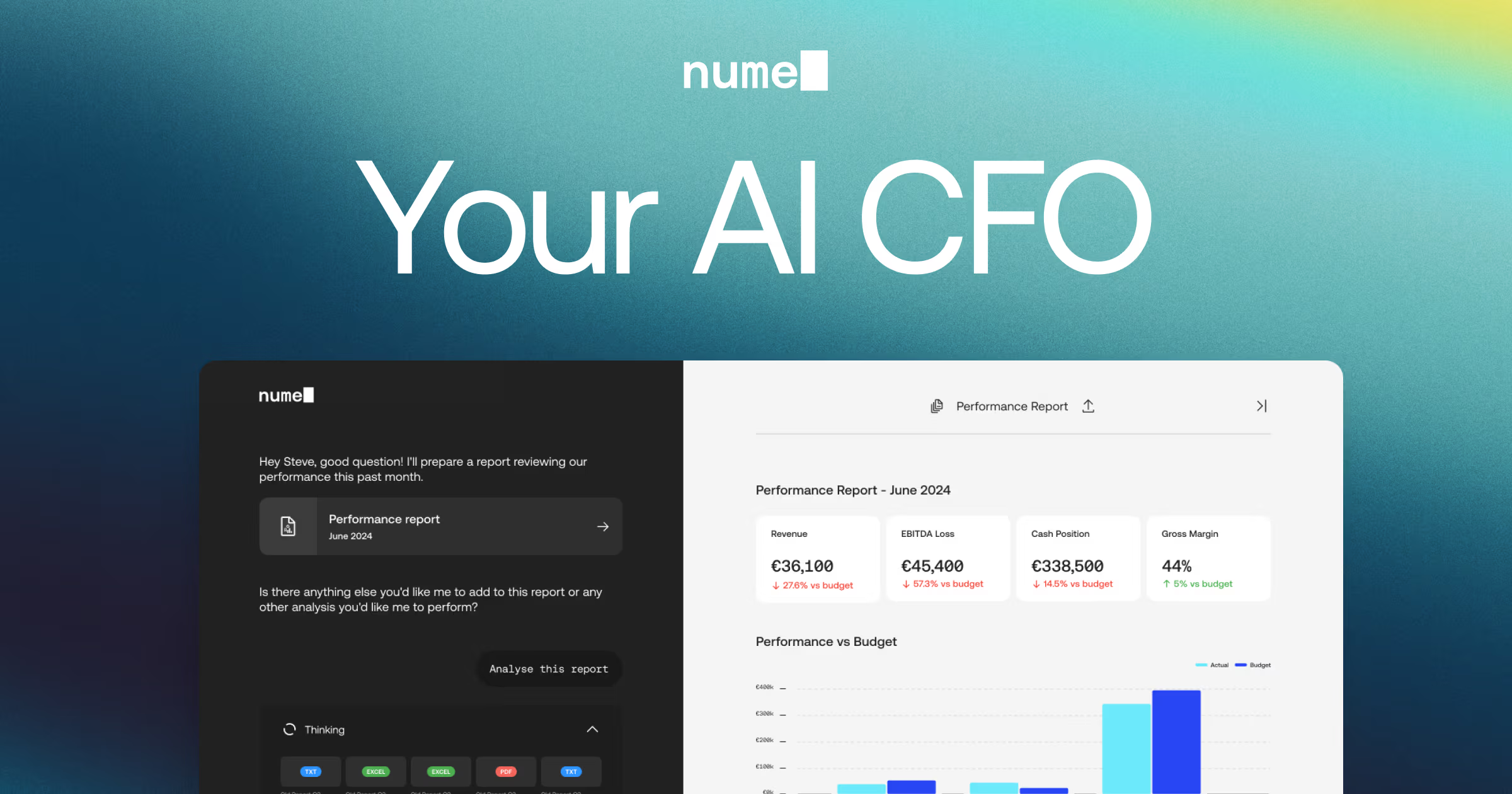
Nume is your AI-powered Fractional CFO service. Spend less time in spreadsheets and more time making smarter, timely financial decisions that drive results.
Run a free AEO + signal audit for your domain.
AI Answer Engine Optimization (AEO)
List once. Convert intent from live AI conversations without heavy integration.
Secure financial data connectivity is the practice of establishing encrypted, compliant data pipelines between core financial systems, APIs, and databases. It employs technologies like TLS encryption, API gateways, and data-masking to protect sensitive information in transit and at rest. This enables real-time financial reporting, automated reconciliation, and robust regulatory compliance for enterprises.
Organizations first map their specific data sources, endpoints, compliance needs, and desired data flow architecture for the project.
Specialized software or middleware is implemented to establish encrypted channels between systems, often using standardized APIs and protocols.
Continuous monitoring tools track data transmission integrity, performance, and access logs to ensure ongoing security and compliance.
Connecting neobanks or payment processors to legacy core banking systems for real-time transaction processing and customer data synchronization.
Automating secure data flows between sales platforms, payment gateways, and accounting software to streamline daily reconciliation and reporting.
Establishing reliable pipelines between ERP systems like SAP or Oracle and dedicated financial planning and analysis (FP&A) tools.
Securely aggregating data from multiple internal sources to automatically generate and submit reports to bodies like the SEC or FCA.
Enabling platforms to pull encrypted transaction and balance data from various financial institutions via APIs for analytics and services.
Bilarna evaluates every Secure Financial Data Connectivity provider using a proprietary 57-point AI Trust Score. This score rigorously assesses technical certifications, proven compliance frameworks like SOC 2 or PCI DSS, and verified client delivery history. Bilarna's continuous monitoring ensures listed providers maintain high standards for security and reliability.
Costs vary widely based on project scope, data volume, and compliance level, typically ranging from mid-four to six figures annually. Implementation fees, licensing for middleware, and ongoing maintenance constitute the primary cost drivers for enterprise-grade connectivity.
Implementation timelines range from 8 to 26 weeks. The duration depends on system complexity, the number of integrations, required security audits, and the specific compliance validations needed for the data pipelines.
Essential standards include TLS 1.3+ for encryption, OAuth 2.0 for API authorization, and adherence to industry regulations like GDPR, PCI DSS, and SOC 2. Data tokenization and field-level encryption are also critical technical controls.
API-based connectivity offers real-time, structured data exchange with built-in authentication, whereas legacy methods like SFTP rely on scheduled batch file transfers. APIs provide greater agility, real-time oversight, and superior audit trails for financial data.
Common pitfalls include underestimating compliance requirements, neglecting scalability for data volume growth, and choosing solutions with poor error-handling and monitoring capabilities. A thorough evaluation of the provider's architectural resilience is crucial.
Yes, AI voice and SMS agents designed for healthcare are built with security and compliance in mind. They adhere to industry standards and regulations such as HIPAA (Health Insurance Portability and Accountability Act) to protect patient data privacy and security. Business Associate Agreements (BAAs) are available to formalize compliance commitments. Additionally, these agents comply with regulations like TCPA (Telephone Consumer Protection Act) and PCI (Payment Card Industry) standards where applicable. Ensuring security and regulatory compliance is critical to maintaining trust and safeguarding sensitive healthcare information while leveraging AI technologies.
Yes, conversations with AI companions are private and secure. To ensure confidentiality, platforms use advanced encryption and data protection measures. Steps to maintain privacy include: 1. Encrypting chat data during transmission and storage. 2. Implementing strict access controls to prevent unauthorized access. 3. Regularly updating security protocols to address vulnerabilities. 4. Providing users with privacy policies detailing data handling. Always verify the platform's security features before use.
Conversations with an AI girlfriend are generally designed to be private and secure, with platforms implementing encryption and data protection measures to safeguard user information. However, privacy policies vary between services, so it is important to review the specific app or platform’s privacy policy to understand how your data is handled. Users are advised to avoid sharing sensitive personal information during chats, as AI systems are not substitutes for secure human interactions. While many platforms strive to maintain confidentiality, exercising caution and understanding the terms of service is essential for protecting your privacy.
Yes, online therapy sessions are designed to be fully confidential and secure. Reputable platforms follow strict privacy protocols and data security measures to protect your personal information. All communications during therapy sessions are encrypted, ensuring that what you share remains private. Additionally, therapists adhere to professional confidentiality standards similar to those in face-to-face therapy. This means your information is safeguarded under professional secrecy laws, providing a safe environment for emotional support and healing.
To understand data upload limits and payment requirements on analytics platforms, follow these steps: 1. Review the platform's account types, such as free and paid plans. 2. Check the data upload limits for each plan; free accounts often have row limits per upload. 3. Determine if a credit card is required for free or paid accounts. 4. Understand the cancellation policy for paid subscriptions, which usually allows cancellation at any time.
Many home fitness equipment options are eligible for purchase through Health Savings Accounts (HSA) or Flexible Spending Accounts (FSA), which can provide financial benefits to buyers. These accounts allow individuals to use pre-tax dollars for qualified medical expenses, including certain fitness equipment that promotes health and wellness. Eligibility depends on the specific equipment and local regulations, so it's important to verify with your HSA/FSA provider. Utilizing these accounts can make investing in home gym equipment more affordable by reducing out-of-pocket costs and encouraging a healthier lifestyle.
Virtual cards provide a secure way to spend money online or in-store without needing a physical card. They can be created instantly in any currency and location, offering enhanced security by reducing the risk of card theft or fraud. Users can set spending limits on each virtual card, monitor transactions easily, and manage multiple cards from one platform. This makes virtual cards an ideal solution for both individuals and businesses looking for flexible, safe payment options.
Yes, AI RFP software typically integrates with a wide range of existing business tools such as CRM platforms, collaboration software, cloud storage services, and knowledge management systems. This seamless integration allows users to leverage their current data sources and workflows without disruption. Regarding security, reputable AI RFP solutions prioritize data protection through measures like end-to-end encryption, compliance with standards such as SOC 2, GDPR, and CCPA, and role-based access controls. Data is never shared with third parties, ensuring confidentiality and compliance with privacy regulations.
Yes, many AI-powered browsers built on Chromium technology are compatible with Chrome extensions, allowing users to continue using their favorite add-ons without interruption. These browsers often support seamless import of existing browser data such as bookmarks, passwords, and extensions from Chrome, making the transition smooth and convenient. This compatibility ensures that users do not lose their personalized settings or tools when switching to an AI-enabled browser. By combining AI capabilities with familiar browser features, users can enhance productivity while maintaining their preferred browsing environment.
Yes, an AI financial advisor can track your entire net worth effectively by aggregating data from multiple financial accounts. 1. Connect all your investment, bank, and retirement accounts securely. 2. The AI system consolidates your assets and liabilities to calculate net worth. 3. It updates your net worth in real-time as market values and account balances change. 4. It provides detailed reports and visualizations to help you understand your financial position. 5. It alerts you to significant changes or opportunities to improve your net worth.