Step 1
Machine-Ready Briefs
AI translates unstructured needs into a technical, machine-ready project request.
We use cookies to improve your experience and analyze site traffic. You can accept all cookies or only essential ones.
 Bilarna
Stop browsing static lists. Tell Bilarna your specific needs. Our AI translates your words into a structured, machine-ready request and instantly routes it to verified AI-Powered Workflow Automation experts for accurate quotes.
AI translates unstructured needs into a technical, machine-ready project request.
Compare providers using verified AI Trust Scores & structured capability data.
Skip the cold outreach. Request quotes, book demos, and negotiate directly in chat.
Filter results by specific constraints, budget limits, and integration requirements.
Eliminate risk with our 57-point AI safety check on every provider.
Verified companies you can talk to directly
Impulsamos marcas con creatividad, tecnología y estrategia. En Creatura Creativa desarrollamos software, creamos marcas y diseñamos experiencias digitales.

Nextant. We deliver AI-powered solutions that solve today’s problems, anticipate tomorrow’s challenges, and create real value for your business.
Reach out to Innovify’s fintech and AI experts. Whether you need support, have questions, or want to explore collaboration, our global team is ready to help you build and scale with confidence.

Datamatics provides Intelligent Solutions for data driven businesses to increase productivity and enhance customer experience across industries.
Streamline Jira with AI: Generate user stories effortlessly with AI Scrum Assistant - Boost productivity and project clarity

Avoma is an all-in-one AI platform to automate scheduling, note-taking, CRM sync, coaching & deal intelligence. Combining an AI Meeting Assistant, Conversation Intelligence & Revenue Intelligence, it empowers revenue teams to boost win and renewal rates.

Trelent builds self-hosted APIs for highly valuable AI native automations. We also build those automations for our customers directly, through our forward-deployed team.
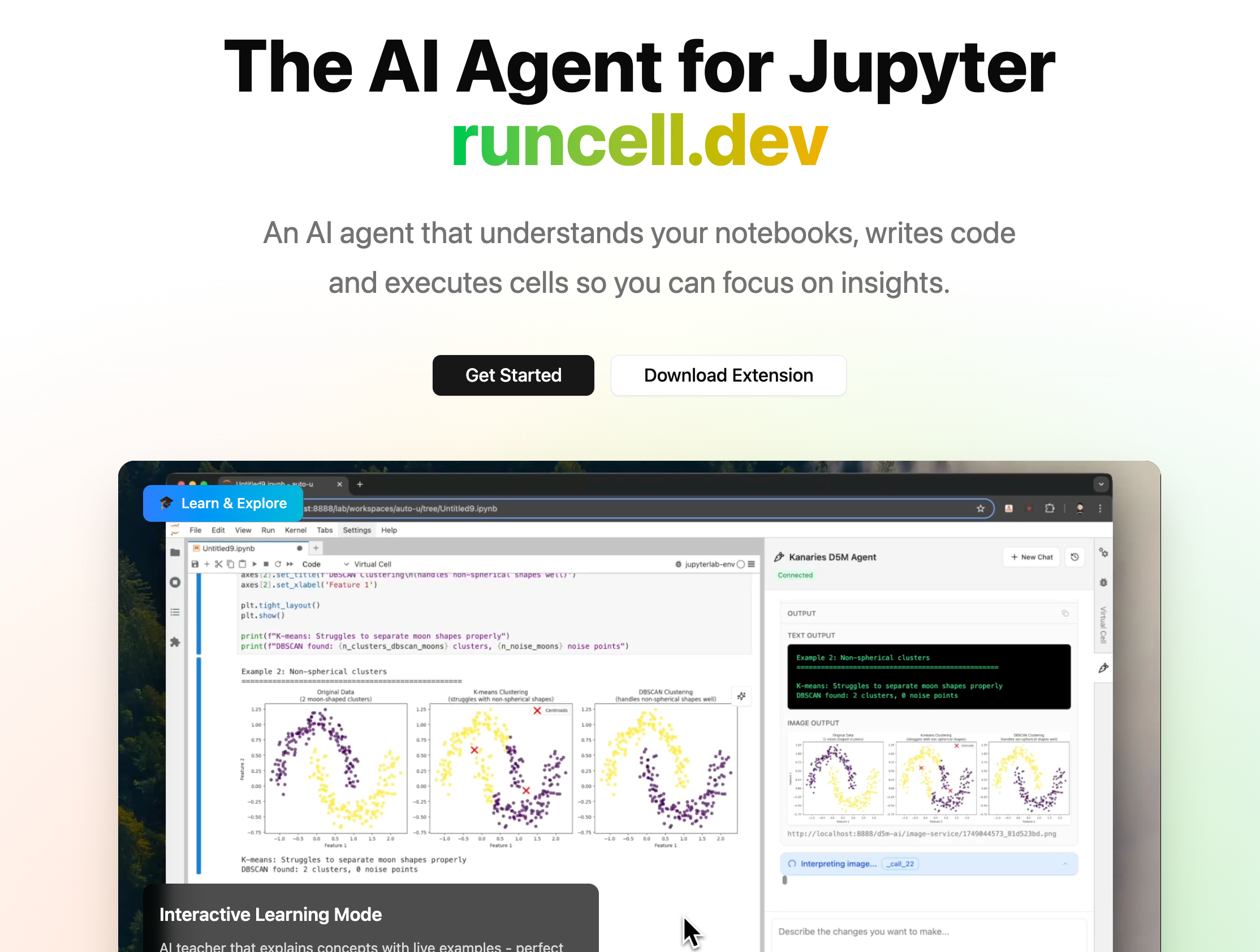
Runcell is an AI agent for Jupyter notebooks that automates writing Python code, executing cells, debugging, and explaining data analysis results in real time.
Transform your workflow with our AI copilot: Chat with PDFs, translate documents, analyze data, and automate tasks - all from your side panel.

Build creative workflows through conversation. Simply describe what you want - AI builds the complete workflow for you. No coding, no complexity. Connect 20+ AI models with natural language.
Traycer brings spec-first development to AI coding workflows, helping developers plan changes clearly and execute them with confidence.
The most powerful AI platform for enterprises. Customize, fine-tune, and deploy AI assistants, autonomous agents, and multimodal AI with open models.

Scale your customer service without scaling your team. Olivya is your AI-driven customer engagement platform, built for scale and precision.
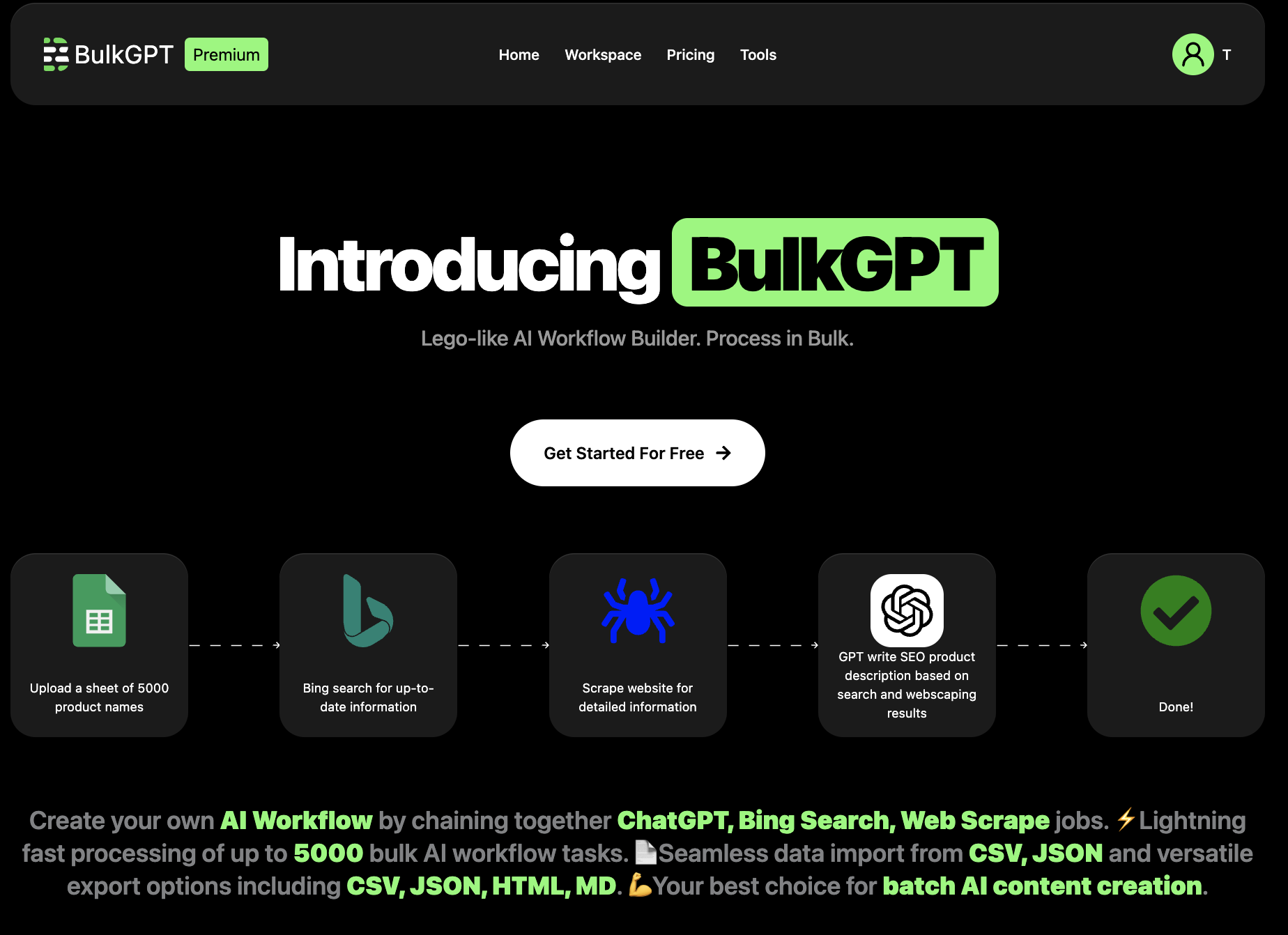
DIY no code bulk AI workflow creation tool that combines the power of internet to process ChatGPT request in batches at blazing fast speed.
Sigma AI Browser handles your online activities directly from your browser. From booking and planning to automating workflows
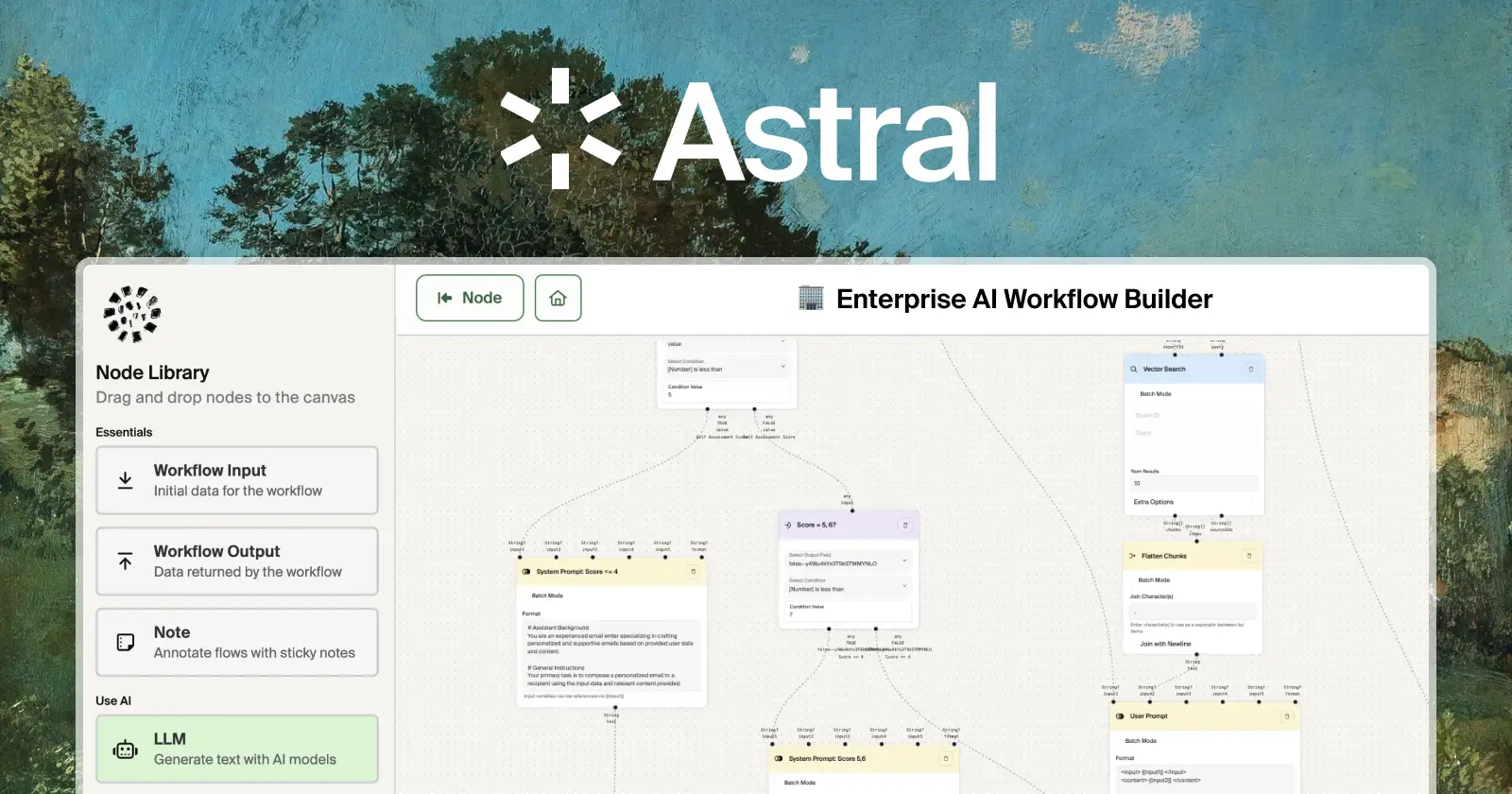
Empower your teams to launch no-code AI workflows in record time with Astral's secure, Enterprise AI Workflow Automation Engine. Unlock 10X revenue opportunities.

Allex.ai is an AI-supported project management platform that automates workflows, and accelerates delivery in complex multi-project environments.
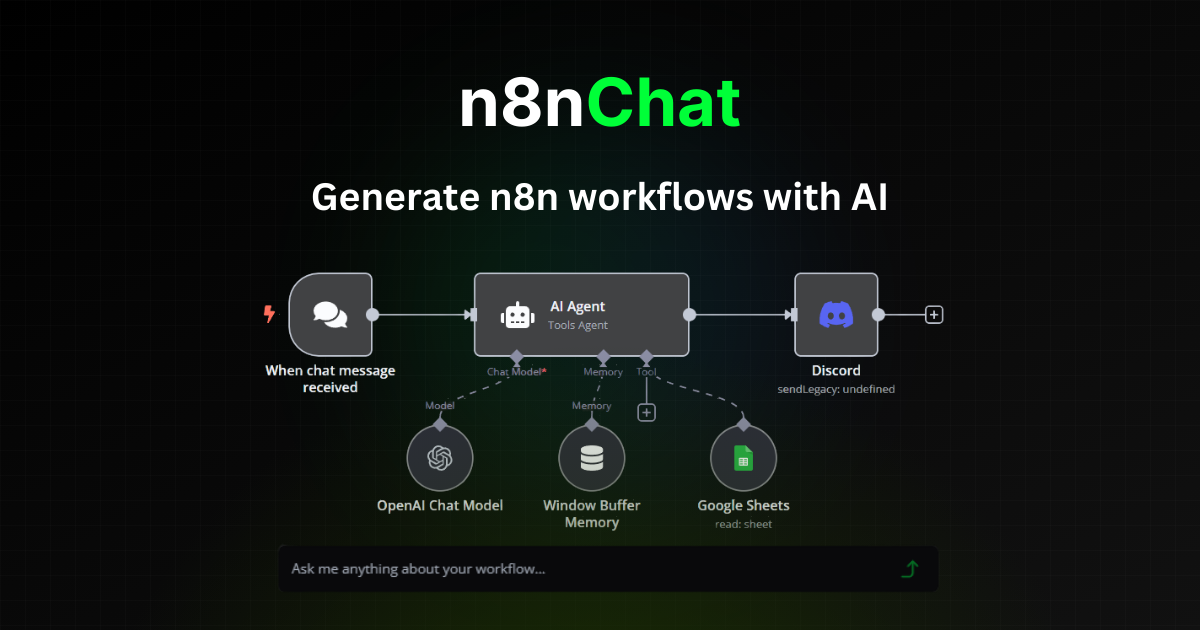
Download n8nChat - the AI-powered extension for n8n workflows and automation. Boost efficiency now!
Fin is the highest-performing AI Agent in customer service, delivering higher-quality answers and resolving more complex queries than any other AI Agent.
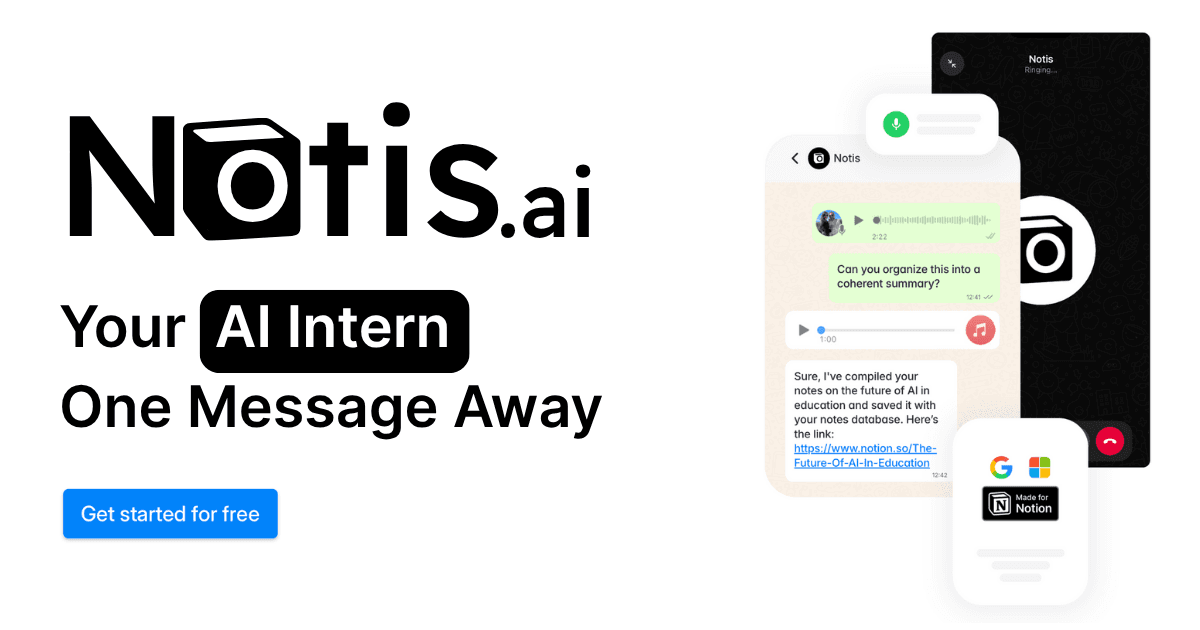
Dump the busy work. Work like a team of ten. Trusted by 1,000+ founders. Try it for free!

Turn your website and data into AI support agents that help customers 24/7 and complete real tasks through AI Actions.


AI Flow Chat is a no-code workflow tool for ideation and automation of ai generated content. Features a drag-and-drop builder, model flexibility, one-click sharing as apps, and reusable automation templates. Popular among writers, analysts, and creators for drastically reducing time of AI tasks

AI Support Agent to accelerate your ticket resolution
Generate AI agents with plain English, edit visually, customize with code in your own IDE, ship enterprise-ready agents today.

Leading back-office automation platform powered by AI. Automate recruiting, CRM updates, reports & workflows without changing your existing tools.
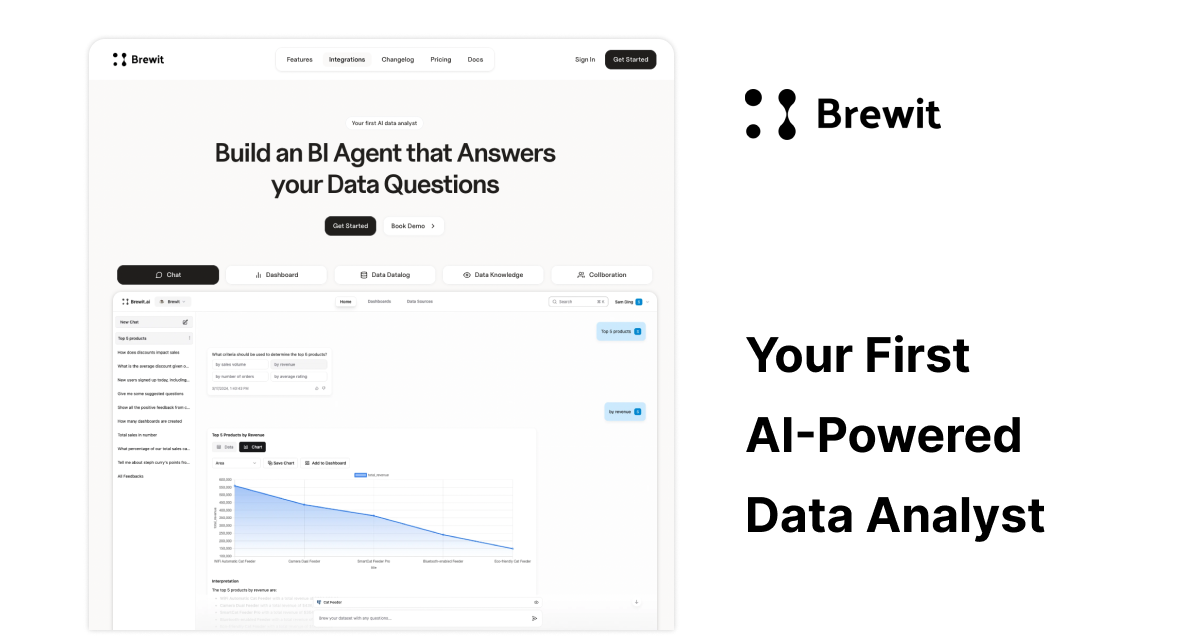
The AI-powered data analyst can learn the performance of your business and provide you with instant answers and insights based on your business's data.
Miniloop is a platform for building and running repeatable AI workflows.
Run a free AEO + signal audit for your domain.
AI Answer Engine Optimization (AEO)
List once. Convert intent from live AI conversations without heavy integration.
AI-powered workflow automation is the application of artificial intelligence to autonomously analyze, execute, and optimize business processes. It leverages technologies like machine learning, natural language processing, and robotic process automation to handle both rule-based and adaptive tasks. This results in significant efficiency gains, reduced operational costs, and improved accuracy for critical business operations.
The initial phase identifies manual, repetitive workflows and their data sources, modeling them for automation potential.
AI algorithms are then trained on historical data to recognize patterns and make autonomous decisions within the workflow.
The system continuously learns from new data and user interactions to automatically improve process efficiency and accuracy.
Automates document verification, fraud detection, and regulatory reporting to enhance accuracy and speed.
Handles incoming inquiries, intelligently routes tickets, and generates personalized responses to improve service quality.
Optimizes inventory management, dynamic pricing, and supply chain processes for faster, cost-effective fulfillment.
Automates resume screening, contract management, and onboarding processes for more efficient talent acquisition.
Orchestrates and monitors infrastructure provisioning, incident management, and software deployments to increase system reliability.
Bilarna evaluates all AI-powered workflow automation providers using a proprietary 57-point AI Trust Score. This system continuously audits technical expertise, project portfolios, data security certifications, and client satisfaction metrics. Only verified partners with proven delivery track records and compliance are listed on our marketplace.
Costs vary significantly based on complexity, scale, and chosen pricing model. Basic rule-based automation starts with low monthly fees, while comprehensive AI-driven platforms require substantial implementation and training investments. A detailed provider request yields accurate, project-specific pricing information.
Organizations typically see an ROI timeframe of 6 to 18 months through reduced manual labor, lower error rates, and faster process cycles. The precise value depends on automation rate, saved personnel costs, and efficiency gains within your specific workflows.
RPA automates rigid, rule-based tasks through scripting, while AI-powered automation makes intelligent decisions, processes unstructured data, and adapts to new scenarios. AI enhances RPA with learning capabilities and context awareness for more complex, adaptive processes.
Implementation timelines range from a few weeks for pre-configured modules to several months for custom enterprise solutions. The duration is determined by process complexity, data availability for AI training, and required system integrations.
A competent provider must demonstrate expertise in machine learning, process analysis, system integration, and change management. Crucial factors are industry references, a transparent methodology for AI training, and a clear support plan for continuous operation.