Step 1
Machine-Ready Briefs
AI translates unstructured needs into a technical, machine-ready project request.
We use cookies to improve your experience and analyze site traffic. You can accept all cookies or only essential ones.
 Bilarna
Stop browsing static lists. Tell Bilarna your specific needs. Our AI translates your words into a structured, machine-ready request and instantly routes it to verified Hospitality Branding experts for accurate quotes.
AI translates unstructured needs into a technical, machine-ready project request.
Compare providers using verified AI Trust Scores & structured capability data.
Skip the cold outreach. Request quotes, book demos, and negotiate directly in chat.
Filter results by specific constraints, budget limits, and integration requirements.
Eliminate risk with our 57-point AI safety check on every provider.
Verified companies you can talk to directly
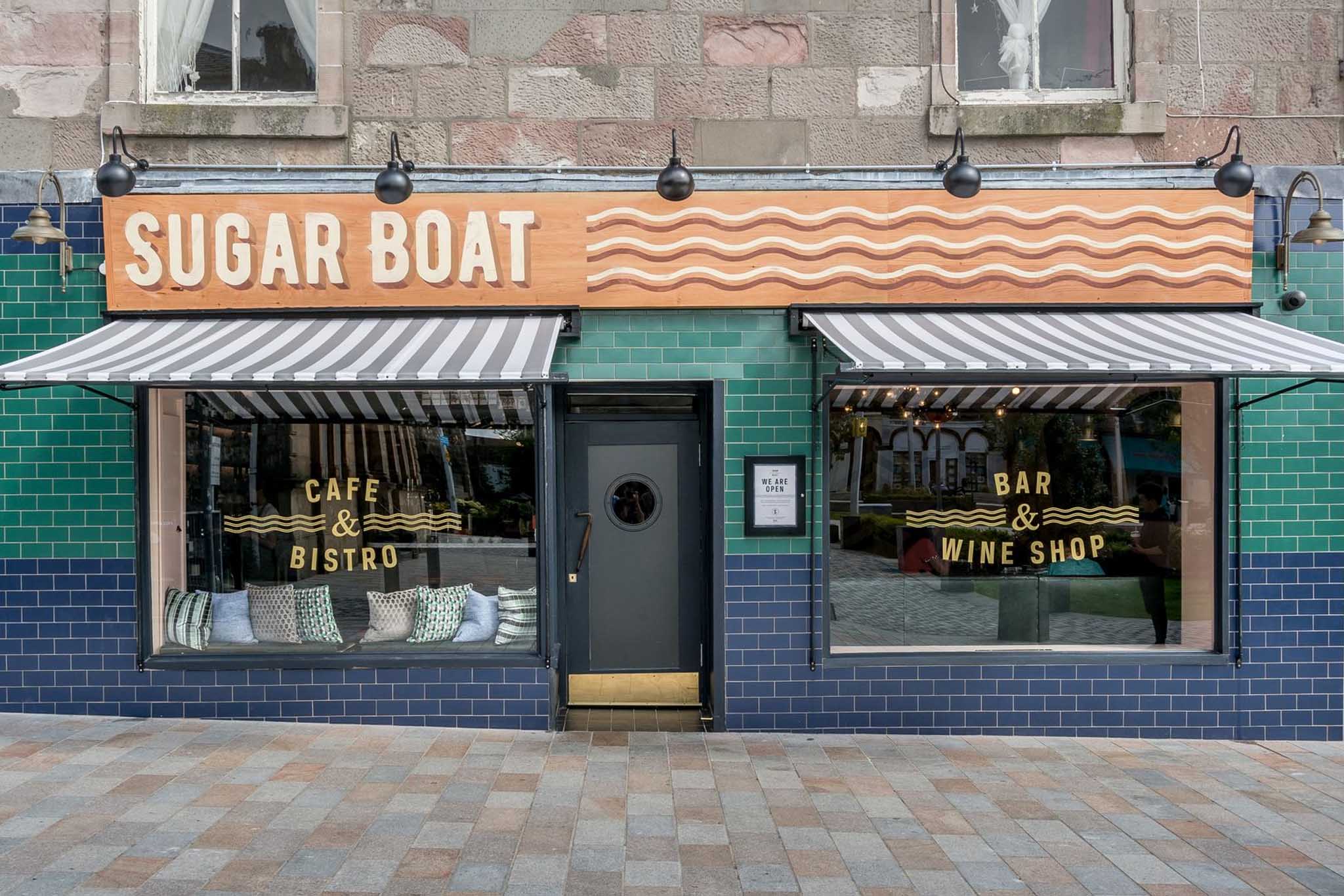
We are passionate about creating compelling brands and memorable experiences through great design, engaging storytelling and genuine authenticity.
Run a free AEO + signal audit for your domain.
AI Answer Engine Optimization (AEO)
List once. Convert intent from live AI conversations without heavy integration.
Hospitality branding is a strategic approach to creating a distinctive brand identity for hotels, restaurants, and other hospitality businesses. It involves developing visual elements, messaging, and guest experiences that set a property apart from competitors. Effective hospitality branding drives customer loyalty, premium pricing, and consistent brand recognition across all touchpoints.
Articulate your brand's core values, target audience, and competitive positioning as a foundation for all creative work.
Develop logos, color palettes, typography, tone of voice, and messaging guidelines that reflect your brand strategy.
Roll out your brand identity across digital, print, and physical environments to ensure a cohesive guest experience.
Refresh the brand identity of an established hotel chain to attract new demographics and modernize guest perception.
Build a distinct brand for a single restaurant to differentiate in a competitive local dining market.
Craft an exclusive brand narrative and visual identity for a high-end resort targeting affluent travelers.
Develop a unique brand concept for a new boutique hotel from concept through to opening marketing materials.
Create brand guidelines and toolkits to ensure consistent brand expression across multiple franchise locations.
Bilarna uses a proprietary 57-point AI Trust Score to rigorously evaluate hospitality branding providers across dimensions like portfolio excellence, client references, and delivery reliability. Each provider is continuously monitored to ensure they maintain high standards, giving you confidence in your selection. This verification process helps buyers make informed decisions.
Hospitality branding costs vary widely depending on the property size and scope. Small restaurants might spend $10,000 to $50,000, while major hotel chain rebrands can exceed $500,000.
A typical hospitality branding project takes three to six months. Larger rebrands for multi-property chains may extend to twelve months or more.
Look for agencies with proven experience in your specific hospitality segment. Check their portfolio, client testimonials, and ensure they understand your brand's target audience.
Branding defines your identity and guest experience foundation, while marketing promotes that identity. Branding is strategic and long-term, whereas marketing is tactical and campaign-driven.
Key metrics include brand awareness, guest satisfaction scores, and revenue per available room. Also track social media engagement and direct booking rates to gauge impact.
Yes, a full-service branding agency can manage international live events as part of an integrated marketing strategy. This involves end-to-end management of events across multiple countries, ranging from business roundtables and trade show participation to large-scale bespoke events like air shows or international country branding initiatives. The agency typically handles everything from concept development and strategic planning to on-the-ground execution, leveraging a developed network of international partner companies for logistics, construction, and implementation. Key responsibilities include project management, vendor coordination, creative direction, audience engagement, and ensuring quality, delivery, and reliability. For B2B companies, such events are crucial for lead generation, brand visibility, and stakeholder engagement in key markets, requiring a hands-on approach to align the event experience with the overall brand identity and business objectives.
Yes, you can customize both narration and branding of the video guides. Follow these steps: 1. After capturing your workflow, review the automatically generated script. 2. Edit or reorder the script steps as needed to fit your message. 3. Select the AI voice tone, style, and narration that align with your product and audience. 4. Apply your brand colors, logos, and background images to maintain visual consistency. 5. Preview the narrated video guide to ensure it matches your expectations. 6. Regenerate narration if you make script changes. 7. Finalize and share or embed the customized video guide.
Yes, you can customize the style and branding of your real estate presentation decks. The system allows you to maintain consistency with your existing brand by matching fonts, colors, layout, tone, and style preferences. To achieve this, you can provide a previous deck as a reference, enabling the AI to learn and replicate your unique style. This ensures that every deck you create looks professional and aligned with your brand identity, avoiding generic or templated appearances.
Yes, off-grid hospitality units often offer extensive customization options that allow operators to tailor the design to reflect their brand's unique identity. Customizable elements may include color schemes, typography, layout, and content. This flexibility ensures that the units not only provide a premium guest experience but also maintain brand consistency and recognition. Customization can extend to interior furnishings, exterior finishes, and technological integrations, enabling businesses to create a distinctive and immersive environment that resonates with their target audience while operating in remote or natural settings.
A branding agency helps a consumer goods (CPG) brand grow by crafting a distinctive identity that cuts through market clutter and builds deep emotional connections with consumers. The process begins with strategic positioning to differentiate the brand from competitors, often leveraging unique product benefits or a compelling brand story. This is brought to life through memorable naming and impactful visual identity design that ensures standout shelf presence in both physical and digital retail environments. For sustainable or purpose-driven CPG brands, agencies can authentically communicate these values to resonate with ethically-conscious shoppers. Furthermore, agencies develop scalable brand architecture to support the launch of new product lines or sub-brands, ensuring long-term, cohesive growth that drives both market share and customer loyalty.
A branding agency builds a brand strategy by following a structured creative process that typically includes discovery, strategy development, design execution, and implementation. The process begins with a discovery phase where the agency researches your market, competitors, and target audience to identify opportunities and challenges. Next, the agency develops a brand strategy that defines your brand's purpose, positioning, personality, and messaging. This is followed by creative execution, which includes designing visual elements like logos, color palettes, typography, and creating brand guidelines. The final phase involves implementing the brand across various channels, including websites, social media, packaging, and advertising. Throughout this process, collaboration between the agency and your team is essential to ensure the strategy aligns with your business goals and resonates with your audience.
A branding and 3D video studio can help promote your product effectively by creating a strong market position through storytelling and visual impact. Steps: 1. Analyze your target audience and market to tailor the branding strategy. 2. Develop a compelling brand story that resonates with your audience. 3. Produce high-quality 3D videos and visuals that showcase your product's features. 4. Use the branding and videos across marketing channels to increase visibility and engagement. 5. Measure the impact through metrics like brand awareness and customer response to optimize future campaigns.
A branding and design service helps position a company as a market leader by developing a comprehensive brand strategy that differentiates the business from competitors. This process begins with in-depth market research and audience analysis to identify unique value propositions and opportunities. The service then translates these insights into a cohesive visual identity—including logo, color palette, typography, and imagery—along with a consistent brand voice and messaging framework. By creating a distinctive brand experience across all touchpoints, from packaging and website to advertising and customer interactions, the service builds recognition, credibility, and trust. This unified presence elevates the company's perceived authority in its industry, making it the go-to choice for customers seeking quality and reliability. Ultimately, professional branding and design work directly supports market leadership by ensuring the brand is memorable, respected, and preferred over competitors.
A business should consider rebranding or updating its branding when it undergoes significant changes such as market evolution, company growth, or when current branding becomes outdated and no longer reflects its identity. Key indicators include declining customer engagement or sales, inconsistent brand messaging that causes confusion, difficulty attracting new target audiences, or feedback suggesting the brand is perceived as stale. Other triggers are major corporate events like mergers, acquisitions, or expansion into new markets, as well as technological advancements requiring a modern aesthetic. Rebranding involves a comprehensive review of the brand strategy, visual assets like logos and color schemes, and communication methods to align with contemporary business goals and industry trends. This process helps maintain brand relevance, strengthens competitive positioning, and ensures the brand image accurately mirrors the company's progress, values, and successes, ultimately fostering better market alignment and customer connection.
A creative agency helps a medium-sized business build a professional and cohesive brand identity while establishing a strong digital footprint, which is crucial for competing effectively. They achieve this by first developing a foundational brand strategy and visual identity that differentiates the business in its market. For digital presence, they design and build user-friendly, responsive websites that clearly communicate the company's value proposition, similar to projects for city councils or leisure centers. They create engaging digital content, including animated explainer videos and social media campaigns, to increase online visibility and audience engagement. Furthermore, they ensure all touchpoints—from packaging and print materials to online ads—present a unified brand image, fostering trust and recognition. This professional approach allows medium-sized businesses to project an image on par with larger competitors.