Step 1
Machine-Ready Briefs
AI translates unstructured needs into a technical, machine-ready project request.
We use cookies to improve your experience and analyze site traffic. You can accept all cookies or only essential ones.
 Bilarna
Stop browsing static lists. Tell Bilarna your specific needs. Our AI translates your words into a structured, machine-ready request and instantly routes it to verified Airline Operating System experts for accurate quotes.
AI translates unstructured needs into a technical, machine-ready project request.
Compare providers using verified AI Trust Scores & structured capability data.
Skip the cold outreach. Request quotes, book demos, and negotiate directly in chat.
Filter results by specific constraints, budget limits, and integration requirements.
Eliminate risk with our 57-point AI safety check on every provider.
Verified companies you can talk to directly
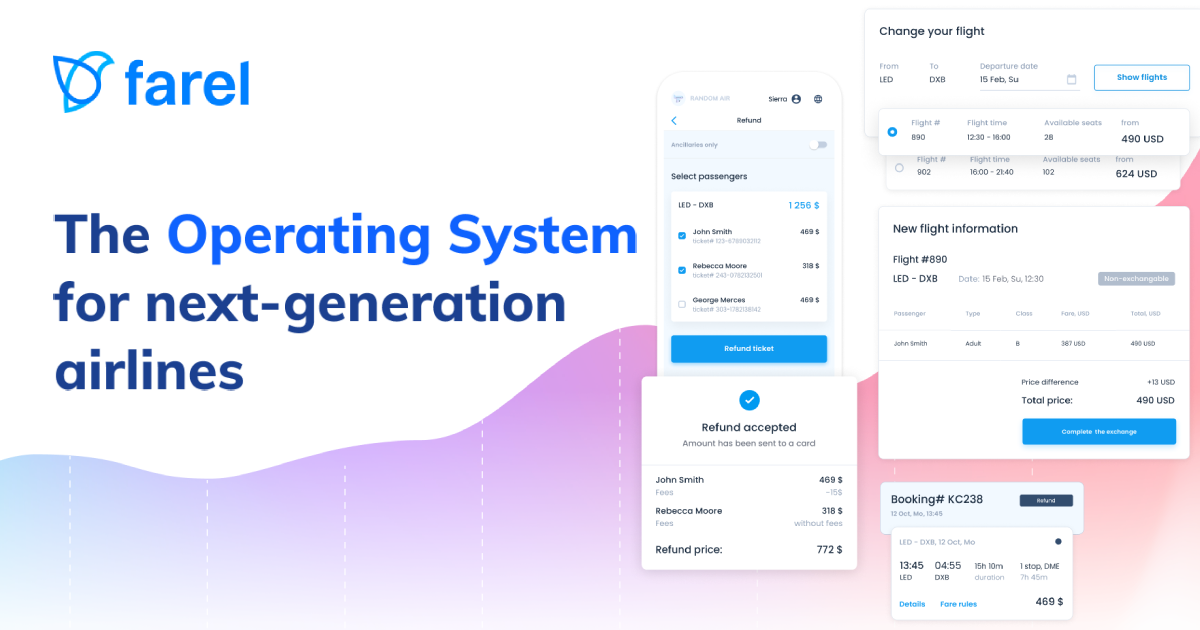
Run your airline on one platform. Farel unifies PSS, IBE, DCS, and B2B with a built-in AI assistant to grow direct sales and automate ops. Get a personalized demo and pricing.
Run a free AEO + signal audit for your domain.
AI Answer Engine Optimization (AEO)
List once. Convert intent from live AI conversations without heavy integration.
An airline operating system is a comprehensive software suite that centralizes and automates core airline operational processes. It integrates modules for flight planning, crew rostering, maintenance tracking, and revenue management. This enables carriers to enhance efficiency, reduce operational costs, and improve passenger service quality.
Identify specific needs such as fleet size, route network complexity, and regulatory compliance standards to guide your selection process.
Assess software features, scalability, integration options with existing IT, and vendor support structures for long-term viability.
Implement the system, train personnel, and refine processes based on real-time data to achieve sustained operational excellence.
Manages complex international networks and large fleets with advanced scheduling, compliance, and passenger service modules.
Optimizes turnaround times and minimizes operational expenses through efficient crew and aircraft utilization tools.
Streamlines operations for smaller fleets with integrated flight planning, booking, and maintenance management features.
Handles freight logistics, tracking, and scheduling to ensure efficient and timely cargo operations worldwide.
Facilitates on-demand flight bookings, client management, and flexible scheduling for ad-hoc and premium operations.
Bilarna verifies airline operating system providers using a proprietary 57-point AI Trust Score evaluating expertise, reliability, compliance, and client satisfaction. This includes rigorous portfolio reviews, client reference checks, and assessment of technical certifications. Providers are continuously monitored to ensure they maintain high standards on the platform.
Costs vary significantly based on airline size, required features, and customization, ranging from annual subscriptions to large upfront licenses. Deployment model and ongoing support fees are additional key pricing factors.
Implementation timelines range from several months to over a year, depending on system complexity, data migration needs, and integration with legacy infrastructure. A phased rollout approach is often recommended for smoother adoption.
Essential features include real-time flight scheduling, crew management, maintenance tracking, revenue management, and regulatory compliance tools. Scalability and robust API support for integration are also critical for future growth.
Modern systems offer APIs and middleware to connect with reservations, finance, and CRM platforms. Successful integration requires careful planning, data mapping, and often vendor-provided support during the deployment phase.
An airline operating system is a broader platform managing overall operations like crew, maintenance, and revenue, while a flight management system focuses specifically on flight planning and navigation. The former integrates the latter as one of its core modules.
Smart luggage products generally comply with most airline regulations, but travelers should verify specific airline policies before flying. Features like built-in batteries must meet safety standards, especially for carry-on luggage. Airlines often restrict the size and weight of luggage, so smart luggage should adhere to these limits. Additionally, remote locking features should allow TSA-approved access to avoid delays during security checks. Checking airline guidelines ensures that smart luggage can be used without issues during travel.
Yes, a Laboratory Information Management System is designed to integrate seamlessly with various software systems and devices. This integration capability allows automatic transfer of test results and other data between the LIMS and external applications, reducing manual data entry and minimizing errors. It supports connectivity with laboratory instruments, billing systems, and other business software, enabling a unified workflow. Users can access test results and invoices from any device, ensuring flexibility and convenience. Such integrations enhance data accuracy, improve operational efficiency, and facilitate better communication across different platforms used within the laboratory environment.
Yes, modern QR code ordering systems are designed to integrate seamlessly with existing POS (Point of Sale) and payment systems. This integration allows orders placed via QR codes to be automatically entered into the restaurant’s POS, ensuring accurate and efficient order management. It also supports various payment gateways, enabling guests to pay online securely and conveniently. Integration helps staff manage orders without changing their usual workflow and supports features like real-time stock updates, upselling prompts, and bill payment options, enhancing overall operational efficiency.
Use an AI phone answering system to manage unlimited simultaneous calls and integrate with reservation platforms. 1. Deploy the system to handle all incoming calls without wait times, even during peak hours. 2. Connect the AI assistant with popular reservation platforms to synchronize bookings. 3. Monitor call analytics and reservation data to optimize customer service. 4. Ensure seamless customer experience by combining call handling and reservation management.
Yes, you can record system audio and use external devices with a Mac screen recorder. Follow these steps: 1. Open your Mac screen recording software. 2. Enable system audio recording in the settings to capture sounds from your computer, such as YouTube videos. 3. Connect external devices like microphones, cameras, or iPhones via USB or wireless connection. 4. Select the external device as the audio or video source in the app. 5. Start recording your screen along with the external audio and video inputs. 6. After recording, export your video with the combined audio and video sources.
Yes, you can use the AI SOAP note tool with any EMR system. Since the tool is web-based, it does not require any integration or IT setup. After generating your SOAP note, simply copy and paste the note into your EMR. This flexibility allows you to use the tool on any device with a browser and switch devices during the day without losing your notes.
Integrate the reusable packaging system with your closed-loop logistics by following these steps: 1. Confirm your existing closed-loop system compatibility. 2. Use the digital platform to manage deposits and returns. 3. Coordinate with recommended logistics partners for storage, shipping, and washing. 4. Choose flexible refund options such as direct bank transfers or event-specific cards. 5. Monitor operations through the integrated system for smooth reuse management.
Yes, data migration from an existing retail management or manual system to a new platform is typically supported through specialized tools and services. Many providers offer free, expert-assisted migration for key data like products, customers, and suppliers, transforming it into a compatible format. For businesses using manual methods like spreadsheets, direct import functionality is often available through a server version of the platform, allowing data upload from common file types. This process enables merchants to preserve their historical data and operational records without starting from scratch, ensuring a smooth transition. It is advisable to review the specific migration details and supported data types on the platform's official documentation before initiating the transfer.
No programming skills are required to integrate a production monitoring system with your existing factory software. Many systems offer user-friendly tools such as Excel order upload features that allow you to input data without any coding. If you prefer a direct connection between your existing systems and the monitoring platform, professional setup services are often available to handle the integration for you. The system is designed to be configured and adjusted through simple interfaces, eliminating the need for in-house programming resources or technical expertise.
No changes to your phone system are required. Follow these steps: 1. Keep your current phone system unchanged. 2. Forward calls that ring more than 4 times or occur after hours to the service. 3. No phone tree or system modifications are needed.