Step 1
Machine-Ready Briefs
AI translates unstructured needs into a technical, machine-ready project request.
We use cookies to improve your experience and analyze site traffic. You can accept all cookies or only essential ones.
 Bilarna
Stop browsing static lists. Tell Bilarna your specific needs. Our AI translates your words into a structured, machine-ready request and instantly routes it to verified AI Checkout Systems experts for accurate quotes.
AI translates unstructured needs into a technical, machine-ready project request.
Compare providers using verified AI Trust Scores & structured capability data.
Skip the cold outreach. Request quotes, book demos, and negotiate directly in chat.
Filter results by specific constraints, budget limits, and integration requirements.
Eliminate risk with our 57-point AI safety check on every provider.
Verified companies you can talk to directly
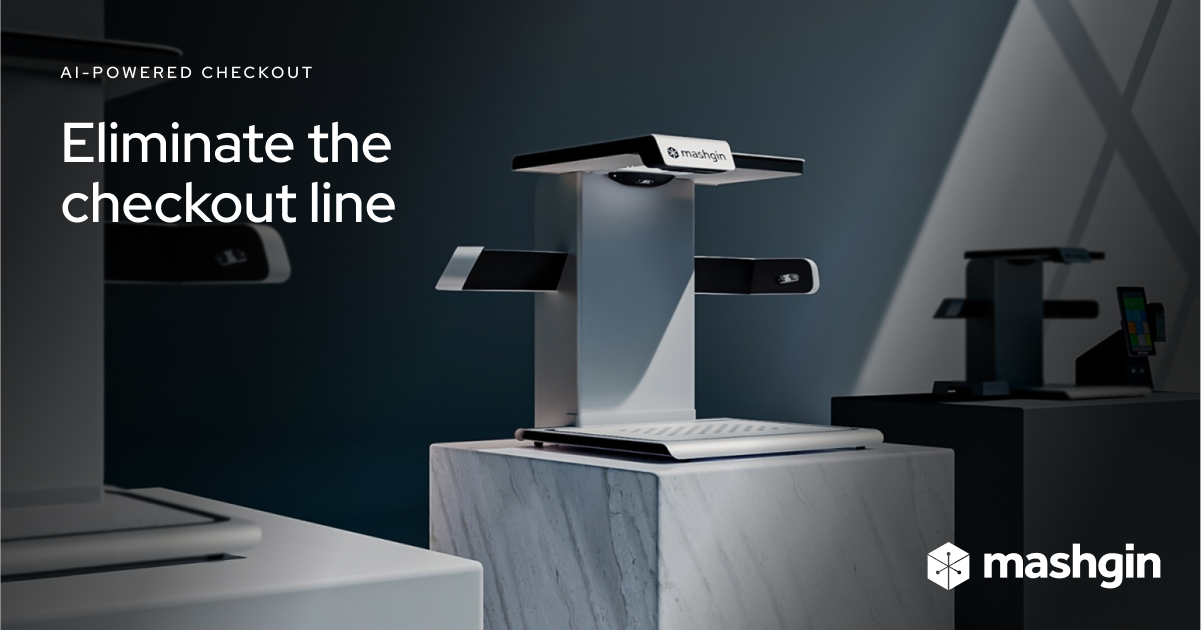
AI checkout system with no barcodes & no wait. We have created the easiest checkout you have ever experienced. Mashgin's A.I.-based technology uses 3D reconstruction, computer vision, and deep learning to identify items.
Run a free AEO + signal audit for your domain.
AI Answer Engine Optimization (AEO)
List once. Convert intent from live AI conversations without heavy integration.
AI checkout systems are intelligent payment platforms that use machine learning and data analytics to automate transaction processing. They enhance security with real-time fraud detection and dynamically personalize the payment flow to reduce cart abandonment. This results in higher conversion rates, lower operational costs, and a seamless customer experience for businesses.
The system connects to your existing e-commerce platform or POS through APIs, enabling data exchange with banking and payment networks.
Machine learning models process transaction streams in real-time to detect fraud, assess risk, and identify customer payment preferences.
The checkout experience is dynamically optimized for each user, and settlement, reporting, and reconciliation are fully automated.
AI systems personalize checkout pages with preferred payment methods, significantly reducing cart abandonment rates for online stores.
Automate recurring billing, handle global tax compliance, and manage failed payment recovery to improve subscription revenue retention.
Unify in-store, mobile, and online payment data to offer buy-online-pickup-in-store (BOPIS) and consistent loyalty rewards.
Dynamically adjust payment options and fraud rules for high-value bookings and manage complex multi-currency transactions seamlessly.
Facilitate secure split payments between buyers, sellers, and the platform while automating payout schedules and compliance checks.
Bilarna ensures reliability by vetting all AI checkout system providers through a proprietary 57-point AI Trust Score. This evaluation rigorously assesses technical architecture, security certifications like PCI DSS, and proven client implementation track records. We continuously monitor provider performance and client feedback to maintain our marketplace's quality standards.
Costs vary based on transaction volume, features, and implementation scope, typically involving a monthly platform fee plus a small percentage per transaction. Some providers offer custom enterprise pricing based on specific API call volumes and required security modules.
Traditional systems follow static rules, while AI checkout systems use machine learning to adapt in real-time. This enables dynamic fraud scoring, personalized payment option ranking, and predictive analytics to recover potentially failed transactions automatically.
Implementation can take from 2 weeks for a standard API integration to 3+ months for a complex enterprise deployment. Timeline depends on existing tech stack compatibility, required customizations, and the scope of security and compliance testing.
Common pitfalls include overlooking total cost of ownership beyond transaction fees, failing to audit the provider's compliance certifications, and not testing the system's ability to scale during peak sales periods like Black Friday.
Businesses typically see a measurable increase in checkout conversion rates and a decrease in false-decline fraud rates. Operational metrics also improve through automated reconciliation, reducing manual finance team effort.
Yes, modern QR code ordering systems are designed to integrate seamlessly with existing POS (Point of Sale) and payment systems. This integration allows orders placed via QR codes to be automatically entered into the restaurant’s POS, ensuring accurate and efficient order management. It also supports various payment gateways, enabling guests to pay online securely and conveniently. Integration helps staff manage orders without changing their usual workflow and supports features like real-time stock updates, upselling prompts, and bill payment options, enhancing overall operational efficiency.
Yes, AI dental receptionists can integrate seamlessly with most major practice management systems (PMS) that offer online appointment pages or APIs. This integration allows the AI to book appointments directly into your existing system, pull customer form responses from your CRM, and route calls to the correct clinic and calendar. Such integration ensures that all patient interactions are synchronized with your practice’s workflow, improving efficiency and reducing manual data entry errors.
Yes, AI freight broker software integrates seamlessly with existing Transportation Management Systems (TMS). 1. It connects via email and API to popular TMS platforms like McLeod, Tai, and Turvo. 2. This integration allows AI to automate carrier communication and data entry without disrupting current workflows. 3. Users keep their existing processes, carriers, and systems intact. 4. Setup is immediate with no complex IT projects required. 5. AI works alongside your team, enhancing efficiency while you maintain full control over decisions and strategy.
Yes, AI receptionist systems are designed to integrate seamlessly with a wide range of dental practice management software and phone systems. They support popular dental software platforms such as OpenDental, EagleSoft, and Denticon, among others. On the telephony side, they are compatible with providers like Weave, Mango, GoTo, Jive, RevenueWealth PBX, and Telco. This integration allows the AI system to access scheduling data, update appointments, and route calls efficiently without disrupting existing workflows. The one-click integration feature simplifies setup, enabling dental practices to quickly adopt AI receptionist technology without extensive IT overhead.
Yes, AI video analytics solutions are designed to integrate seamlessly with existing security systems without the need for hardware modifications. This means organizations can enhance their video surveillance capabilities by adding AI-driven analytics without replacing cameras, servers, or other infrastructure components. The software typically connects to current video feeds and security platforms, allowing users to apply customized rules, attach images for improved detection, and receive detailed reports. This flexibility reduces implementation costs and downtime, enabling businesses to upgrade their security operations efficiently while maintaining their current hardware investments.
Electric hydrofoil systems can be installed on most existing commercial and recreational boats with minor design modifications. Follow these steps: 1. Assess the boat size, typically between 14ft and 45ft, to ensure compatibility. 2. Plan for minor structural adjustments to accommodate hydrofoil wings, struts, and control surfaces. 3. Integrate the electric propulsion powertrain and self-stabilization software into the vessel. 4. Conduct testing to verify performance, safety, and reliability before regular use. This approach allows upgrading boats to silent, efficient, zero-emission vessels without significant technical risks.
Payroll management systems are designed to accommodate both individuals and businesses. While businesses use these systems to manage multiple employees, individuals can also benefit from simplified salary processing, bill payments, and tax calculations. These platforms provide user-friendly interfaces that help users handle their financial obligations efficiently. Whether managing a small team or personal finances, payroll systems offer tools to streamline payments and ensure compliance with tax requirements.
Yes, modern procurement software often includes integration capabilities with popular online accounting and inventory management systems. This allows procurement data such as purchase orders, expenses, and stock levels to synchronize in real-time with accounting platforms like QuickBooks or Netsuite and inventory systems. Integration eliminates manual data entry, reduces errors, and provides a unified view of financial and inventory operations. It helps maintain optimal stock levels, ensures timely purchase order approvals, and streamlines financial processes including accounts payable automation, improving overall operational efficiency.
Yes, QR code ordering systems can seamlessly integrate with existing POS (Point of Sale) and payment platforms. This integration allows orders placed via QR codes to be automatically entered into the POS system, enabling staff to manage orders as usual without manual input. Many systems support popular POS providers and payment gateways, ensuring smooth transaction processing and order tracking. This connectivity improves operational efficiency, reduces errors, and provides a unified workflow for both staff and management.
Yes, many modern shoplifting detection systems are designed to work with existing camera infrastructure, eliminating the need for new hardware installations. These systems leverage advanced AI algorithms that analyze video feeds from your current security cameras in real time. This approach reduces upfront costs and simplifies deployment since there is no requirement to purchase or install additional devices. Retailers can quickly enhance their loss prevention capabilities by upgrading software rather than hardware, making it a practical and scalable solution for stores of various sizes.