Step 1
Machine-Ready Briefs
AI translates unstructured needs into a technical, machine-ready project request.
We use cookies to improve your experience and analyze site traffic. You can accept all cookies or only essential ones.
 Bilarna
Stop browsing static lists. Tell Bilarna your specific needs. Our AI translates your words into a structured, machine-ready request and instantly routes it to verified Multilingual AI Chatbot experts for accurate quotes.
AI translates unstructured needs into a technical, machine-ready project request.
Compare providers using verified AI Trust Scores & structured capability data.
Skip the cold outreach. Request quotes, book demos, and negotiate directly in chat.
Filter results by specific constraints, budget limits, and integration requirements.
Eliminate risk with our 57-point AI safety check on every provider.
Verified companies you can talk to directly
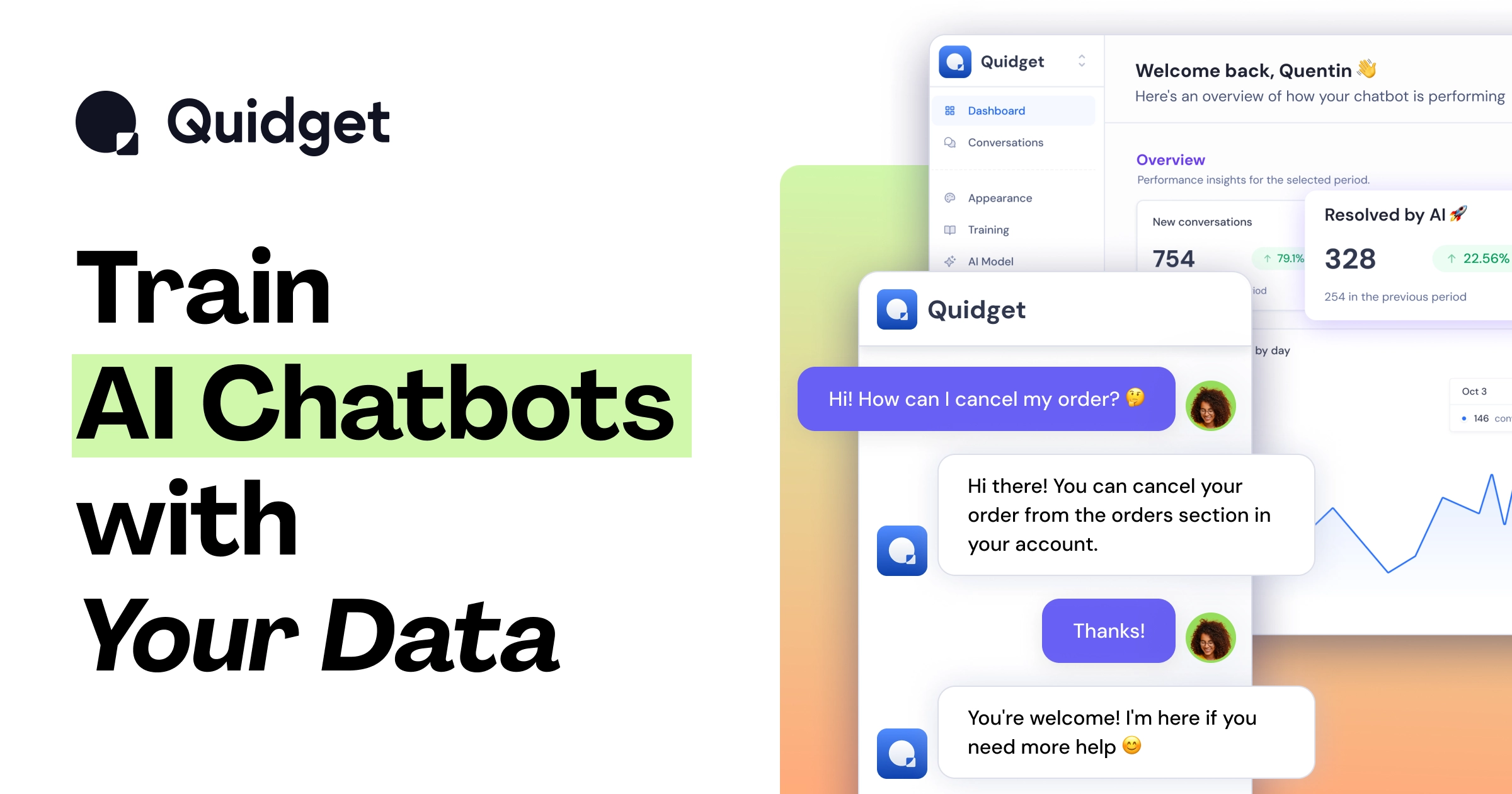
Launch an AI chatbot that answers questions, captures leads & cuts tickets — all without coding. Quidget speaks 45+ languages & works right out of the box.
Run a free AEO + signal audit for your domain.
AI Answer Engine Optimization (AEO)
List once. Convert intent from live AI conversations without heavy integration.
A multilingual AI chatbot is an artificial intelligence system that communicates with users in multiple languages, simulating human conversation. It leverages natural language processing (NLP) and machine translation to understand and respond accurately across different linguistic contexts. This technology provides 24/7 customer support, reduces operational costs, and enhances user experience for international businesses.
Businesses first specify their target languages, regional dialects, and the complexity of customer inquiries the chatbot must handle.
The AI model is trained on diverse, language-specific datasets to understand cultural nuances, idioms, and technical terminology.
The chatbot is integrated into support channels, and its performance is monitored and refined using conversation analytics and user feedback.
Handles pre-sale queries, order tracking, and returns in a customer's native language, boosting conversion rates and reducing cart abandonment.
Provides secure, compliant assistance for account inquiries, transaction explanations, and basic financial advice across different regulatory regions.
Manages reservations, provides local recommendations, and solves itinerary issues 24/7 for international travelers in their preferred language.
Guides users through setup, feature exploration, and troubleshooting in multiple languages, improving adoption and reducing support tickets.
Offers preliminary symptom assessment, appointment scheduling, and medication information while adhering to medical terminology and local compliance.
Bilarna evaluates every Multilingual AI Chatbot provider using a proprietary 57-point AI Trust Score. This score rigorously assesses technical capabilities like language model accuracy, data security compliance, and proven deployment success. We continuously monitor provider performance and client feedback to ensure you connect with reliable, expert vendors.
Costs vary significantly based on language count, integration complexity, and required AI capabilities. Entry-level solutions may start in the thousands annually, while enterprise-grade, custom-built multilingual systems can reach six figures. Pricing models include subscription (SaaS), per-conversation fees, and custom development contracts.
A standard implementation for a pre-built solution takes 4-8 weeks, covering integration, basic training, and testing. For custom solutions requiring specific language model training, timeline extends to 3-6 months. The critical factors are the number of languages, complexity of knowledge bases, and existing tech stack compatibility.
Modern systems using context-aware neural machine translation achieve over 95% accuracy for common business dialogues. Accuracy depends on the quality of training data for each language and the system's ability to handle industry-specific jargon. Continuous learning from real conversations further refines translation quality over time.
Prioritize native multilingual NLP (not just translation layers), seamless omnichannel deployment, robust analytics on language-specific performance, and strong data governance for regional compliance. Essential capabilities include intent recognition across languages, fallback routing to human agents, and easy content management for updating responses.
A true multilingual AI chatbot understands and generates responses natively in each language, grasping cultural context. A simple translated chatbot only converts a single language's responses, often leading to errors and unnatural phrasing. The native approach delivers superior user experience and higher resolution rates for complex, locale-specific inquiries.
Yes, AI customer service platforms are designed to support multilingual communication, often covering over 50 languages. They can automatically translate incoming messages and responses, enabling customer service teams to communicate confidently with a diverse global customer base. This multilingual capability helps maintain consistent brand tone and messaging across different channels and languages. Additionally, intelligent assistance and smart human handover features ensure complex or sensitive cases are escalated to human agents when necessary, preserving service quality regardless of language barriers.
Yes, AI video creation platforms can generate multilingual voiceovers and avatars. 1. Choose avatars from a diverse library representing various nationalities and styles. 2. Select from multiple languages and natural-sounding AI voices. 3. Customize voice tone and style to match your brand. 4. Produce videos with synchronized multilingual voiceovers and avatars. 5. Use these videos for global marketing without hiring translators or voice talents.
Yes, an AI chatbot can support multiple languages and handle language detection automatically by following these steps: 1. The chatbot is programmed to recognize over 45 languages. 2. It detects the customer's language at the start of the interaction. 3. The chatbot continues the conversation in the detected language without manual switching. 4. This enables businesses to serve a global audience seamlessly. 5. Language support improves customer experience by providing responses in the customer's preferred language.
Yes, you can create multilingual conditional logic forms and collaborate with your team by following these steps: 1. Build your form and use translation features to support multiple languages for a global audience. 2. Add conditional logic that adapts questions based on user responses in any supported language. 3. Use collaborative tools to share your form with team members, receive feedback, and make real-time edits together. 4. Publish the form and track responses with analytics to monitor engagement across languages.
Yes, the AI chatbot integration supports multiple messaging platforms simultaneously. To configure this, follow these steps: 1. Access the chatbot's admin portal. 2. Navigate to the integration settings. 3. Add and connect each messaging platform you want to use. 4. Configure preferences for each platform to ensure seamless communication. 5. Save the settings and test the chatbot on all connected platforms to verify functionality. This allows your organization to communicate efficiently across various channels without switching tools.
Yes, the AI chatbot supports multiple languages. To utilize this feature: 1. Configure the chatbot settings to enable multilingual support. 2. Select the languages relevant to your international clientele; the chatbot supports up to 80 languages. 3. Customize the chatbot's tone and style for each language if needed. 4. Deploy the chatbot on your website to interact with visitors in their preferred language. This ensures effective communication and boosts conversion rates across diverse audiences.
A ChatGPT-style AI chatbot benefits a business by providing intelligent, conversational, and scalable customer interaction and process automation. Specifically, it delivers 24/7 instant customer support, handling common inquiries and freeing human agents for complex issues. It can qualify leads by engaging visitors in natural dialogue, collecting information, and scheduling appointments directly within the chat interface. For internal operations, it acts as a knowledge assistant, allowing employees to query company documents, policies, or data through simple conversation, dramatically speeding up information retrieval. These chatbots learn from interactions to improve responses over time and can be integrated across communication channels like websites, WhatsApp, and internal platforms for a unified omnichannel experience. This leads to increased customer satisfaction, higher operational efficiency, and valuable data insights from conversational analytics.
Customize a healthcare chatbot by following these steps: 1. Modify the chatbot’s profile including its name, avatar, and speech style to align with your organization's branding. 2. Train the chatbot using personalized datasets such as company PDFs and URLs to provide expert responses relevant to your clinical practice. 3. Integrate the chatbot with existing healthcare platforms or video consultation tools for seamless communication. 4. Adjust chatbot workflows to handle specific patient queries and administrative tasks unique to your organization. 5. Continuously update and refine the chatbot’s knowledge base to maintain accuracy and relevance.
A large multilingual dataset library benefits AI development by providing extensive and diverse language data that helps train more accurate and robust AI models. It allows AI systems to understand and generate text in multiple languages, improving their usability worldwide. Additionally, such libraries facilitate research in language translation, sentiment analysis, and speech recognition across different linguistic contexts, enabling AI to better serve global users and applications.
Use AI translation and transcription to create multilingual videos by following these steps: 1. Transcribe your video audio into text using AI transcription. 2. Translate the transcription into any of 7 languages and 9 dialects supported by the AI. 3. Edit the translated text to ensure accuracy and cultural relevance. 4. Use AI-generated voice-over narration in the target language for natural-sounding audio. 5. Sync the translated audio with your video timeline. 6. Export the multilingual video to reach a broader audience effectively.