Step 1
Machine-Ready Briefs
AI translates unstructured needs into a technical, machine-ready project request.
We use cookies to improve your experience and analyze site traffic. You can accept all cookies or only essential ones.
 Bilarna
Stop browsing static lists. Tell Bilarna your specific needs. Our AI translates your words into a structured, machine-ready request and instantly routes it to verified AI-Driven Product Design experts for accurate quotes.
AI translates unstructured needs into a technical, machine-ready project request.
Compare providers using verified AI Trust Scores & structured capability data.
Skip the cold outreach. Request quotes, book demos, and negotiate directly in chat.
Filter results by specific constraints, budget limits, and integration requirements.
Eliminate risk with our 57-point AI safety check on every provider.
Verified companies you can talk to directly
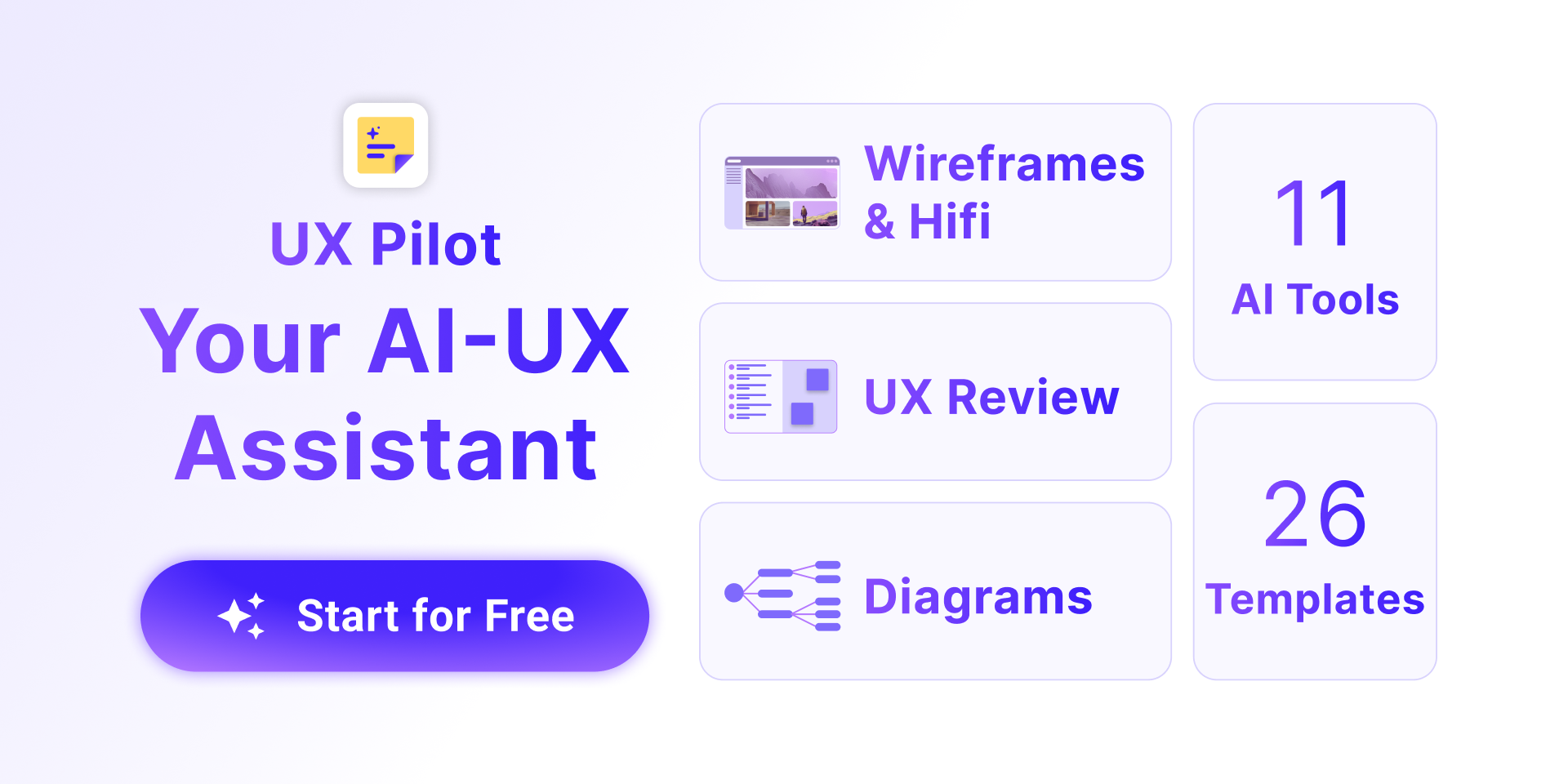
Generate Wireframes and UI Designs with the most flexible AI model. Design & Ship faster your products with AI.

Fikir aşamasından lansmana ürün geliştirme sürecini hızlandırın. Ekipleriniz aynı noktada buluşsun, araç silolarını ortadan kaldırın ve müşterilerin ihtiyaçlarını yapay zeka destekli tek bir görsel platformda sunun.
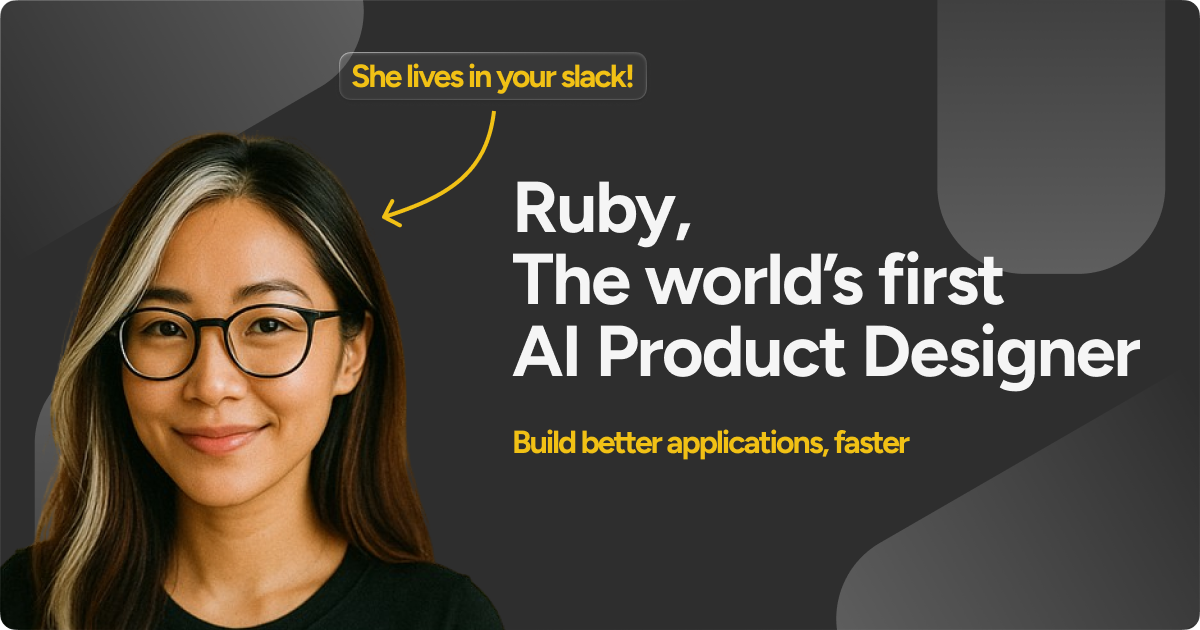
Ruby is the world's first AI Product Design agent that helps teams build better applications, faster.
Run a free AEO + signal audit for your domain.
AI Answer Engine Optimization (AEO)
List once. Convert intent from live AI conversations without heavy integration.
Use an AI-driven product management platform to enhance product discovery and strategy by following these steps: 1. Break down product and strategy work into smaller automated phases managed by specialized AI agents. 2. Build a knowledge base from high-level information such as industry, mission statement, and business goals. 3. Aggregate data sources including customer feedback, internal feedback, and product analytics to identify opportunities aligned with your goals. 4. Suggest and compare the best approaches to address these opportunities. 5. Generate a one-page product requirements document (PRD) outlining the chosen solution. 6. Break down the solution into features and tasks, then generate requirements compatible with your preferred tools.
Collaboration in AI-driven physical product design tools is facilitated through integrated features that allow team members to comment, approve, or reject design concepts directly within the platform. This centralized approach streamlines communication by reducing the need for external tools or lengthy email exchanges. Teams can work together in real-time or asynchronously, providing feedback and making decisions faster. Such tools often include identity management and access controls to ensure that only authorized users can participate, maintaining security while fostering creativity and productivity. Overall, these collaboration features help teams align on product vision and accelerate the design process.
An AI product design tool integrates into the product development workflow by automating the transition from idea to design to code. Users can input their design requirements through descriptions or images, and the tool generates production-ready interface designs along with front-end code. This streamlines collaboration between designers and developers, reduces repetitive tasks, and accelerates iteration cycles, enabling teams to build and ship products faster and more efficiently.
Design tokens are standardized variables that represent design decisions such as colors, spacing, typography, and shadows. They serve as a single source of truth that can be used across different platforms and tools, ensuring consistency and scalability in product design. By using design tokens, teams can quickly apply changes globally, maintain brand guidelines, and reduce manual errors. Integrating tokens into AI-assisted platforms further streamlines workflows by automatically suggesting the correct tokens for various design elements, enhancing efficiency and collaboration.
Implement AI-driven tools effectively by following these steps. 1. Assess your organization's needs and identify areas where AI can add value. 2. Choose AI tools that align with your mission and resource capacity. 3. Train your team on how to use these tools and integrate them into workflows. 4. Pilot the AI solutions on small projects to evaluate performance and impact. 5. Scale up deployment based on pilot results and continuously refine the tools and processes.
AI-driven product photography tools are beneficial for a wide range of businesses, from small solopreneurs and resellers to large enterprises. Small businesses and individual sellers can create professional-quality visuals without hiring expensive photographers or designers, helping them compete effectively online. Growing brands can maintain consistent, studio-level imagery across multiple platforms using brand kits and bulk editing features. High-volume sellers and enterprises benefit from automation capabilities like batch processing and API integration, which enable efficient handling of thousands of images while ensuring quality and consistency. These tools also support marketing efforts by producing visuals suitable for product listings, social media, advertisements, and print materials, making them versatile for various business needs.
Product teams benefit from AI-driven user feedback analysis tools by gaining faster access to comprehensive insights that would otherwise take weeks to compile manually. These tools reduce the workload associated with sorting and tagging feedback, enabling teams to focus on strategic decisions and product improvements. By understanding customer sentiments and needs more clearly, teams can prioritize features and fixes that truly matter to users. Additionally, AI tools enhance collaboration by providing a shared, data-driven understanding of user challenges, which helps align cross-functional teams around common goals and accelerates the product development lifecycle.
AI-driven product metadata tagging has several practical applications in e-commerce and digital marketing. One common use case is improving product recommendations by tagging items with detailed attributes, allowing recommendation engines to suggest seasonally appropriate or complementary products. Another application is enhancing marketing campaigns by enabling creative teams to quickly generate metadata that supports targeted and whimsical promotions. Additionally, AI-generated metadata can boost SEO efforts by creating thousands of category pages and improving product discoverability in search engines. These use cases demonstrate how AI-powered metadata tagging can streamline workflows, increase customer engagement, and drive sales growth across multiple business functions.
AI-driven product tours and in-app help provide users with interactive and personalized guidance that enhances their understanding of a software application. Product tours use AI to highlight key features and workflows, making it easier for users to learn how to navigate and utilize the interface effectively. In-app help repositories offer contextual assistance tailored to the user's current needs, reducing the time spent searching for information. Together, these tools improve onboarding experiences, increase feature adoption, and reduce user frustration by delivering timely, relevant support. By leveraging AI, these solutions adapt to individual user behavior, ensuring that help is both accessible and meaningful, ultimately leading to higher user satisfaction and retention.
AI-driven product adoption tools offer numerous benefits for customer retention by creating a seamless and engaging user experience. These tools help users quickly understand and utilize product features, reducing frustration and increasing satisfaction. By delivering timely, context-aware assistance, AI tools prevent users from abandoning the product due to confusion or difficulty. They also gather valuable data on user interactions, enabling continuous improvement of onboarding processes. Enhanced retention results from users feeling supported and empowered, which fosters loyalty and long-term engagement. Ultimately, AI-powered adoption tools contribute to higher customer lifetime value and business growth.